3-Amino-2-methylquinazolin-4(3H)-one is a complex heterocyclic compound widely used in organic chemistry laboratories. This compound serves as a fundamental building block for the synthesis of various organic molecules, particularly those with biological activity. Its unique structure makes it a valuable tool in the development of pharmaceuticals and other bioactive compounds. In the laboratory, it plays a crucial role in chemical reactions that require quinazoline-based structures, contributing to the design of new therapeutic agents and functional materials.
The compound is known for its stable chemical properties and controlled reactivity, making it a preferred choice for researchers. Its molecular structure includes nitrogen and carbon atoms arranged in a heterocyclic ring, which enhances its versatility in substitution and cyclization reactions. The ability to act as both an electron donor and acceptor in chemical reactions further expands its applicability. These characteristics ensure that it remains a reliable component in diverse chemical synthesis processes.
In Indonesian laboratories, 3-Amino-2-methylquinazolin-4(3H)-one is commonly used in research focused on drug development and organic synthesis. Its role in creating bioactive compounds aligns with the goals of many scientific studies in the region. Researchers rely on its predictable behavior and chemical stability to achieve consistent results in their experiments. This compound is essential for advancing chemical research and innovation in the field of pharmaceutical sciences.
Related TCI products
- TCI B4317 179688-01-8 7-Benzyloxy-6-methoxy-3H-quinazolin-4-one
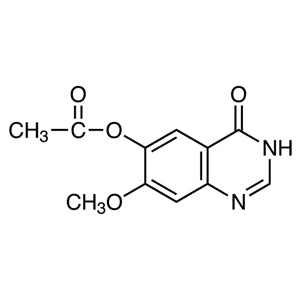
- TCI A2717 179688-53-0 6-Acetoxy-7-methoxy-3H-quinazolin-4-one
- TCI D3816 13794-72-4 6,7-Dimethoxy-3H-quinazolin-4-one
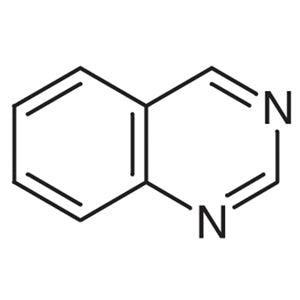
- TCI Q0055 253-82-7 Quinazoline
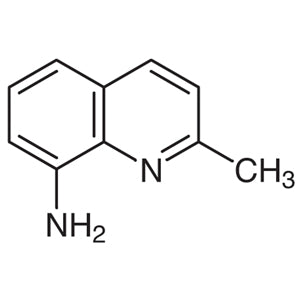
- TCI A0416 18978-78-4 8-Amino-2-methylquinoline
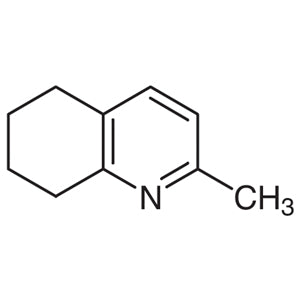
- TCI T1408 2617-98-3 5,6,7,8-Tetrahydro-2-methylquinoline
- Organic synthesis of bioactive compounds due to its quinazoline framework and nitrogen functionality.
- Development of pharmaceuticals as a key intermediate in the synthesis of drug molecules with therapeutic potential.
- Research in medicinal chemistry for the design of new drugs targeting specific biological pathways.
- Investigation of heterocyclic compounds for their potential in creating functional materials and polymers.
- Exploration of chemical reactivity in substitution and cyclization reactions for structural modification of organic molecules.
| Brand | TCI |
|---|---|
| CAS number | 1898-06-2 |
| Molecular formula | — |
| Purity | — |
| Category | Chemistry > Building Blocks > Heterocyclic Building Blocks |
| Pack sizes | Available in standard laboratory quantities as per supplier specifications |
| Physical form | Solid (as per typical chemical compound presentation) |
| Storage | Store in a cool, dry place away from light and moisture |
This compound should be stored in a cool, dry environment, away from direct sunlight and sources of moisture. It is recommended to use airtight containers to prevent exposure to air and humidity. Due to its chemical stability, it does not require refrigeration but should be kept in a secure location to avoid contamination. Laboratory personnel should handle it with care, using appropriate personal protective equipment such as gloves and safety goggles. The compound is generally non-hazardous under normal conditions but should be treated with standard laboratory safety protocols to ensure safe handling and storage.
—
Produk Terkait
-
7-Benzyloxy-6-methoxy-3H-quinazolin-4-one TCI B4317
Regular price From Rp 742.350,00Regular priceRp 534.450,00Sale price From Rp 742.350,00 -
6-Acetoxy-7-methoxy-3H-quinazolin-4-one TCI A2717
Regular price From Rp 637.350,00Regular priceRp 460.950,00Sale price From Rp 637.350,00 -
6,7-Dimethoxy-3H-quinazolin-4-one TCI D3816
Regular price From Rp 557.550,00Regular priceRp 405.300,00Sale price From Rp 557.550,00 -
Quinazoline TCI Q0055
Regular price Rp 1.670.550,00Regular priceRp 1.183.350,00Sale price Rp 1.670.550,00 -
8-Amino-2-methylquinoline TCI A0416
Regular price From Rp 1.326.150,00Regular priceRp 942.900,00Sale price From Rp 1.326.150,00 -
5,6,7,8-Tetrahydro-2-methylquinoline TCI T1408
Regular price Rp 2.068.500,00Regular priceRp 1.461.600,00Sale price Rp 2.068.500,00 -
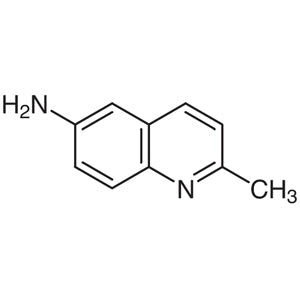
6-Amino-2-methylquinoline TCI A1047
Regular price Rp 4.028.850,00Regular priceRp 2.832.900,00Sale price Rp 4.028.850,00 -
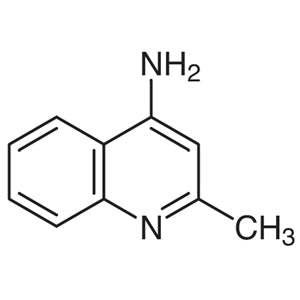
4-Amino-2-methylquinoline TCI A0415
Regular price Rp 3.260.250,00Regular priceRp 2.295.300,00Sale price Rp 3.260.250,00