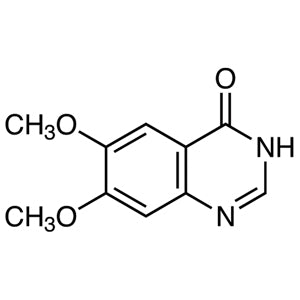
6,7-Dimethoxy-3H-quinazolin-4-one is a chemical compound widely used in organic synthesis reactions. This heterocyclic building block is essential in laboratories for creating complex molecular structures. Its unique chemical structure, featuring a quinazolin ring modified with two methoxy groups, makes it a versatile reagent in various synthetic pathways. Due to its structural complexity, it is often employed in the development of pharmaceutical compounds and advanced organic materials.
The compound's chemical properties make it a preferred choice for researchers. It exhibits stability under specific conditions, though it is sensitive to moisture and air exposure. This sensitivity requires careful handling and storage, but its reactivity allows it to participate in multiple chemical reactions, such as substitution, condensation, and redox processes. Its ability to form new bonds makes it a valuable tool in the synthesis of bioactive molecules and functional materials.
In Indonesian laboratories, 6,7-Dimethoxy-3H-quinazolin-4-one is a key component in research related to organic chemistry, pharmacology, and material science. It is commonly used in academic and industrial settings where the development of complex chemical structures is required. Its relevance in these fields highlights its importance as a fundamental building block for innovation and discovery.
Related TCI products
- TCI B4317 179688-01-8 7-Benzyloxy-6-methoxy-3H-quinazolin-4-one
- TCI B4270 179688-29-0 6,7-Bis(2-methoxyethoxy)-3H-quinazolin-4-one
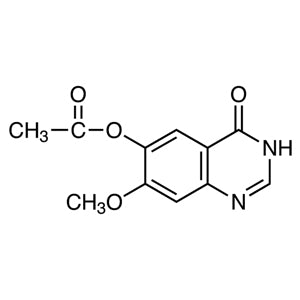
- TCI A2717 179688-53-0 6-Acetoxy-7-methoxy-3H-quinazolin-4-one
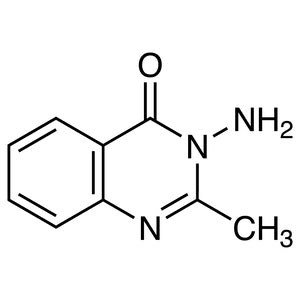
- TCI A3603 1898-06-2 3-Amino-2-methylquinazolin-4(3H)-one
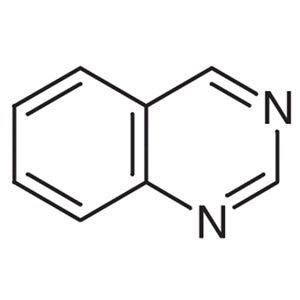
- TCI Q0055 253-82-7 Quinazoline
- TCI M2709 1769-24-0 2-Methyl-4(1H)-quinazolinone
- Organic synthesis research benefits from this compound due to its heterocyclic structure and reactivity, enabling the creation of complex molecules.
- Pharmaceutical development utilizes this building block to design new drugs with targeted biological activities and improved therapeutic profiles.
- Material science applications leverage its chemical versatility to synthesize advanced polymers and functional materials with unique properties.
- Academic research in chemistry relies on this compound for teaching and experimental studies on heterocyclic chemistry and synthetic methods.
- Industrial chemical processes incorporate this reagent for the production of specialty chemicals and intermediates in various manufacturing sectors.
| Brand | TCI |
|---|---|
| CAS number | 13794-72-4 |
| Molecular formula | — |
| Purity | — |
| Category | Chemistry > Building Blocks > Heterocyclic Building Blocks |
| Pack sizes | Available in various quantities as per supplier specifications |
| Physical form | Solid (as per standard product description) |
| Storage | Requires storage in a dry, cool, and sealed environment |
This compound should be stored in a dry, cool, and well-ventilated area, away from moisture and direct sunlight. It is recommended to use airtight containers to prevent exposure to air and humidity, which can degrade its chemical integrity. Due to its sensitivity, it should be handled with care using appropriate personal protective equipment. In laboratory settings, it is important to ensure that storage conditions are controlled to maintain its stability and effectiveness. Regular monitoring of storage conditions is advised to ensure optimal performance and safety during use.
—
Produk Terkait
-
7-Benzyloxy-6-methoxy-3H-quinazolin-4-one TCI B4317
Regular price From Rp 689.850,00Regular price -
6,7-Bis(2-methoxyethoxy)-3H-quinazolin-4-one TCI B4270
Regular price From Rp 769.650,00Regular price -
6-Acetoxy-7-methoxy-3H-quinazolin-4-one TCI A2717
Regular price From Rp 584.850,00Regular price -
3-Amino-2-methylquinazolin-4(3H)-one TCI A3603
Regular price From Rp 3.738.000,00Regular price -
Quinazoline TCI Q0055
Regular price Rp 1.670.550,00Regular priceRp 1.183.350,00Sale price Rp 1.670.550,00 -
2-Methyl-4(1H)-quinazolinone TCI M2709
Regular price Rp 2.677.500,00Regular priceRp 1.887.900,00Sale price Rp 2.677.500,00 -
2-Mercapto-4(3H)-quinazolinone TCI M1089
Regular price Rp 2.147.250,00Regular priceRp 1.517.250,00Sale price Rp 2.147.250,00 -
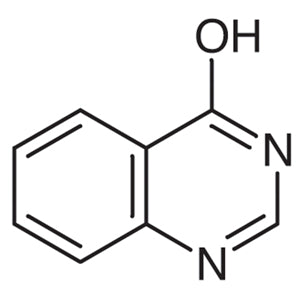
4-Hydroxyquinazoline TCI H0803
Regular price Rp 822.150,00Regular priceRp 590.100,00Sale price Rp 822.150,00