6-Acetoxy-7-methoxy-3H-quinazolin-4-one is a chemical compound widely used in organic synthesis reactions, particularly in the formation of complex heterocyclic compounds. This building block plays a crucial role in laboratories where structural modifications of heterocyclic systems are required. Its versatility makes it an essential component in various synthetic pathways, supporting the development of new chemical entities with potential applications in multiple scientific fields. As a key reagent, it enables the synthesis of bioactive compounds and pharmaceutical intermediates, contributing to the advancement of chemical research and drug discovery.
The compound is valued for its stable molecular structure and moderate reactivity, which allow it to participate in substitution reactions and other synthetic transformations. These properties make it a preferred choice for chemists working on the synthesis of complex molecules. Its chemical characteristics enable it to serve as a functional group modifier, offering flexibility in the design of new compounds. This adaptability supports its use in a wide range of applications, including pharmaceutical research and the development of bioactive substances.
In Indonesian laboratories, 6-Acetoxy-7-methoxy-3H-quinazolin-4-one is commonly used in scientific research and pharmaceutical development. It is particularly relevant in studies involving bioactive compounds and pharmacologically active substances. Its presence in research projects related to the synthesis of new compounds with medical or industrial applications underscores its importance in the scientific community.
Related TCI products
- TCI B4317 179688-01-8 7-Benzyloxy-6-methoxy-3H-quinazolin-4-one
- TCI B4270 179688-29-0 6,7-Bis(2-methoxyethoxy)-3H-quinazolin-4-one
- TCI D3816 13794-72-4 6,7-Dimethoxy-3H-quinazolin-4-one
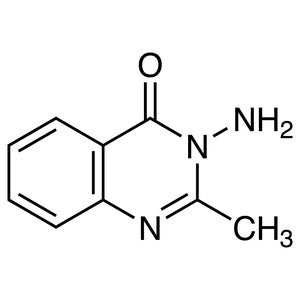
- TCI A3603 1898-06-2 3-Amino-2-methylquinazolin-4(3H)-one
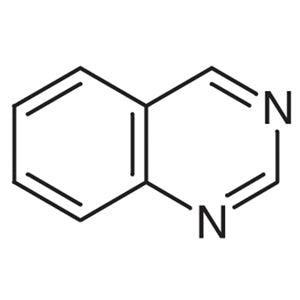
- TCI Q0055 253-82-7 Quinazoline
- TCI M2709 1769-24-0 2-Methyl-4(1H)-quinazolinone
- Organic synthesis of complex heterocyclic compounds due to its structural versatility and reactivity.
- Pharmaceutical research for the development of bioactive molecules and drug intermediates.
- Functional group modification in the synthesis of pharmaceutical and industrial compounds.
- Investigation of pharmacologically active substances through chemical modification pathways.
- Support for the creation of new compounds with potential medical or industrial applications.
| Brand | TCI |
|---|---|
| CAS number | 179688-53-0 |
| Molecular formula | — |
| Purity | — |
| Category | Chemistry > Building Blocks > Heterocyclic Building Blocks |
| Pack sizes | As per supplier specifications |
| Physical form | Solid (as per standard product description) |
| Storage | Store in a cool, dry place away from light and moisture |
This compound should be stored in a cool, dry environment, away from direct light and moisture to maintain its stability and reactivity. It is recommended to use airtight containers to prevent exposure to air and humidity, which may affect its chemical integrity. Proper labeling of storage containers is essential to ensure safe handling and prevent accidental contamination. In laboratory settings, it is important to follow standard safety protocols when handling chemical reagents, including the use of personal protective equipment. The compound should be kept in a designated chemical storage area, separate from incompatible materials to ensure safety and compliance with laboratory regulations.
—
Product Categories
Produk Terkait
-
7-Benzyloxy-6-methoxy-3H-quinazolin-4-one TCI B4317
Regular price From Rp 742.350,00Regular priceRp 534.450,00Sale price From Rp 742.350,00 -
6,7-Bis(2-methoxyethoxy)-3H-quinazolin-4-one TCI B4270
Regular price From Rp 822.150,00Regular priceRp 590.100,00Sale price From Rp 822.150,00 -
6,7-Dimethoxy-3H-quinazolin-4-one TCI D3816
Regular price From Rp 557.550,00Regular priceRp 405.300,00Sale price From Rp 557.550,00 -
3-Amino-2-methylquinazolin-4(3H)-one TCI A3603
Regular price From Rp 3.790.500,00Regular priceRp 2.665.950,00Sale price From Rp 3.790.500,00 -
Quinazoline TCI Q0055
Regular price Rp 1.670.550,00Regular priceRp 1.183.350,00Sale price Rp 1.670.550,00 -
2-Methyl-4(1H)-quinazolinone TCI M2709
Regular price Rp 2.677.500,00Regular priceRp 1.887.900,00Sale price Rp 2.677.500,00 -
2-Mercapto-4(3H)-quinazolinone TCI M1089
Regular price From Rp 2.147.250,00Regular priceRp 1.517.250,00Sale price From Rp 2.147.250,00 -
4-Hydroxyquinazoline TCI H0803
Regular price From Rp 822.150,00Regular priceRp 590.100,00Sale price From Rp 822.150,00