Ammonium Perrhenate(VII), with CAS number 13598-65-7, is a chemical compound widely used in laboratory settings for its catalytic and reagent properties. It belongs to the category of inorganic compounds and is commonly found in transition metal studies, especially in oxidation and reduction reactions. This compound plays a crucial role in chemical processes, serving as both a catalyst and a reagent in various synthetic applications. Its versatility makes it a valuable tool for researchers working in catalysis and inorganic chemistry.
The compound is known for its high solubility in water and its ability to act as an oxidizing agent. These properties make it a preferred choice for experiments requiring controlled redox reactions. Its ionic structure enhances its reactivity in laboratory environments, allowing it to participate effectively in complex chemical transformations. The stability and reactivity of Ammonium Perrhenate(VII) make it suitable for a wide range of chemical applications, including organic and inorganic synthesis.
In Indonesian laboratories, Ammonium Perrhenate(VII) is frequently used in chemical research, particularly in catalysis and analytical chemistry. It is an essential component in experiments that require precise and efficient chemical reactions. Its availability in the local market ensures that it is a reliable choice for researchers and students alike. The compound is widely used in laboratory settings where complex chemical reactions and controlled reactivity are needed.
TCI brochures (PDF)
- Transition Metal Catalysts 2026-04-10 · p. 7
- Catalytic Oxidation Reactions: Ammonium Perrhenate(VII) is ideal for oxidation processes due to its strong oxidizing properties, enabling efficient conversion of substrates in synthetic pathways.
- Inorganic Synthesis: It is commonly used in the synthesis of various inorganic compounds, where its reactivity and solubility in aqueous solutions facilitate reaction conditions.
- Redox Studies: Its role as an oxidizing agent makes it suitable for studying redox mechanisms and electrochemical processes in laboratory experiments.
- Analytical Chemistry: It is employed in analytical procedures to detect and quantify specific compounds through redox reactions and colorimetric methods.
- Transition Metal Research: Due to its association with transition elements, it is used in studies involving metal-based catalysts and coordination chemistry.
| Brand | TCI |
|---|---|
| CAS number | 13598-65-7 |
| Molecular formula | — |
| Purity | — |
| Category | Chemistry > Catalysis and Inorganic Chemistry > Transition Elements |
| Pack sizes | Available in various sizes as per standard laboratory supply |
| Physical form | Solid powder |
| Storage | Store in a cool, dry place away from moisture and incompatible substances |
Ammonium Perrhenate(VII) should be stored in a cool, dry place, away from moisture and direct sunlight. It is recommended to keep it in airtight containers to prevent exposure to humidity, which may affect its stability. Due to its oxidizing nature, it should be stored separately from reducing agents and flammable materials. Laboratory personnel should wear appropriate personal protective equipment, such as gloves and safety goggles, when handling this compound. It is important to ensure proper ventilation in the workspace to minimize inhalation of any airborne particles. The compound should not be mixed with incompatible substances, and all handling should follow standard laboratory safety protocols to ensure safe usage.
—
Produk Terkait
-
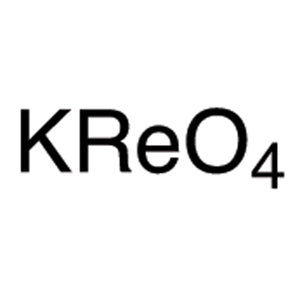
PotassiumPerrhenate TCI P1939
Regular price From Rp 1.167.600,00Regular priceRp 815.850,00Sale price From Rp 1.167.600,00 -
TetrabutylammoniumPerrhenate TCI T1803
Regular price From Rp 3.021.900,00Regular priceRp 2.128.350,00Sale price From Rp 3.021.900,00 -
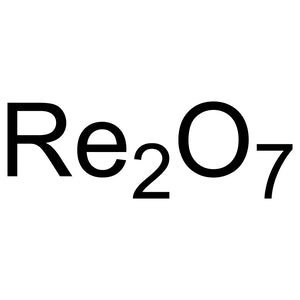
Rhenium(VII)Oxide TCI R0281
Regular price From Rp 5.803.350,00Regular priceRp 4.058.250,00Sale price From Rp 5.803.350,00 -
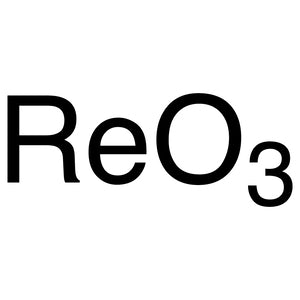
Rhenium(VI)Oxide TCI R0280
Regular price Rp 6.070.050,00Regular priceRp 4.244.100,00Sale price Rp 6.070.050,00 -
Rhenium(IV)Oxide TCI R0279
Regular price Rp 7.897.050,00Regular priceRp 5.521.950,00Sale price Rp 7.897.050,00