Ammonium Phosphomolybdate Hydrate (APM) is a chemical compound widely used in quantitative laboratory analysis. It serves as a reagent in the process of ion metal adsorption, particularly for the analysis of cesium ion concentration. APM is valued for its ability to form complexes with specific metal ions, making it an essential tool in detecting and quantifying trace elements. In laboratory settings, APM plays a crucial role in supporting chemical analysis, especially in chromatographic and spectroscopic methods. Its unique molecular structure allows for selective interactions with target ions, enhancing the accuracy of analytical procedures.
The key properties that make APM a preferred choice include its chemical stability, selectivity towards cesium ions, and compatibility with various analytical techniques. Its molecular structure enables specific interactions with ions, ensuring reliable and reproducible results. APM is also known for its solubility in water, which facilitates its use in solution-based analytical methods. These characteristics make it an ideal reagent for applications requiring high precision and specificity. Additionally, its stability under normal laboratory conditions ensures consistent performance and ease of handling.
In Indonesian laboratories, APM is extensively used in chemical, environmental, and industrial research. It is particularly relevant for analyzing water, soil, and industrial samples to identify the presence of metal ions. Due to its ability to adsorb ions, APM is a key component in the development of selective adsorbents. Its application in these contexts highlights its importance in both academic and industrial analytical processes.
Advantages (TCI brochure)
- Allows the selective adsorption of caesium ions (Cs+)
- Cesium ion adsorption efficiency: ≥99% (by AMP method)
- One possible application is a recovery of radioactive cesium ion
TCI brochures (PDF)
- AMP for Cesium Ion Selective and Efficient Adsorbent 2024-09-12 · p. 1
Related TCI products
- TCI M1168 128459-09-6 N-Methoxydiacetamide [Selective Acetylating Reagent]
- TCI T4207 21907-50-6 Cesium Trifluoroacetate
- TCI C3570 18041-25-3 Cesium Lead Triiodide (Low water content)
- TCI C3569 15243-48-8 Cesium Lead Tribromide (Low water content)
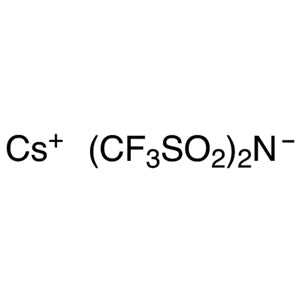
- TCI C3264 91742-16-4 Cesium(I) Bis(trifluoromethanesulfonyl)imide
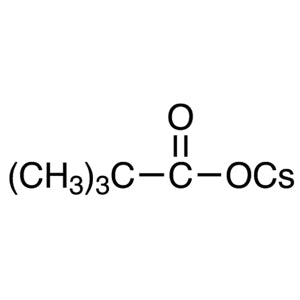
- TCI C3230 20442-70-0 Cesium Pivalate
- Cesium Ion Analysis: APM is used for detecting and quantifying cesium ions due to its high selectivity and ability to form stable complexes with cesium.
- Environmental Sample Testing: APM is employed in analyzing water and soil samples to identify metal ion contamination, supporting environmental research and monitoring.
- Industrial Process Monitoring: APM is utilized in industrial settings to assess metal ion concentrations in process streams, ensuring quality control and compliance.
- Chromatographic Analysis: APM is integrated into chromatographic methods to enhance the separation and detection of metal ions in complex matrices.
- Selective Adsorbent Development: APM is used in creating adsorbents that selectively bind to specific ions, improving the efficiency of ion capture in analytical procedures.
From the TCI brochure
- Recovery of radioactive cesium ion (one possible application)
| Brand | TCI |
|---|---|
| CAS number | 54723-94-3 |
| Molecular formula | — |
| Purity | — |
| Category | TCI |
| Pack sizes | As per supplier specifications |
| Physical form | Hydrate (solid) |
| Storage | Store in a cool, dry place away from moisture and direct sunlight |
Data from the TCI brochure
| Kemasan | 25g |
|---|---|
| Efisiensi adsorpsi ion Cs+ | ≥99% (metode AMP) |
| pH larutan asam untuk adsorpsi | 1.0 (menggunakan asam nitrat atau asam klorida) |
| Jumlah AMP | 100 kali berat Cs (setara) |
| Waktu pengadukan | 1 jam (menghasilkan suspensi kuning) |
| Waktu pengendapan | semalam (Cs+ teradsorpsi AMP mengendap sebagai endapan kuning) |
Source: TCI brochure FF189 (2024-09-12)
Ammonium Phosphomolybdate Hydrate should be stored in a cool, dry place to maintain its chemical stability. It is recommended to keep the material in a tightly sealed container to prevent moisture absorption, which could affect its performance. Avoid exposure to direct sunlight and high humidity to ensure long-term integrity. In a laboratory setting, it is important to handle the compound with appropriate personal protective equipment, such as gloves and safety goggles, to prevent skin or eye contact. Proper ventilation should be maintained when working with the compound to minimize inhalation risks. Due to its chemical nature, it should be stored separately from incompatible substances to prevent any potential reactions. Following these guidelines ensures safe and effective use in laboratory applications.
—
Produk Terkait
-
N-Methoxydiacetamide[SelectiveAcetylatingReagent] TCI M1168
Regular price Rp 2.889.600,00Regular priceRp 2.035.950,00Sale price Rp 2.889.600,00 -
CesiumTrifluoroacetate TCI T4207
Regular price From Rp 2.677.500,00Regular priceRp 1.887.900,00Sale price From Rp 2.677.500,00 -
CesiumLeadTriiodide(Lowwatercontent) TCI C3570
Regular price From Rp 1.483.650,00Regular priceRp 1.053.150,00Sale price From Rp 1.483.650,00 -
CesiumLeadTribromide(Lowwatercontent) TCI C3569
Regular price From Rp 1.431.150,00Regular priceRp 1.000.650,00Sale price From Rp 1.431.150,00 -
Cesium(I)Bis(trifluoromethanesulfonyl)imide TCI C3264
Regular price Rp 2.384.550,00Regular priceRp 1.683.150,00Sale price Rp 2.384.550,00 -
CesiumPivalate TCI C3230
Regular price From Rp 1.193.850,00Regular priceRp 834.750,00Sale price From Rp 1.193.850,00 -
CesiumGreen TCI C2806
Regular price From Rp 4.929.750,00Regular priceRp 3.462.900,00Sale price From Rp 4.929.750,00 -
CesiumIodide TCI C2205
Regular price From Rp 848.400,00Regular priceRp 2.072.700,00Sale price From Rp 848.400,00Sale