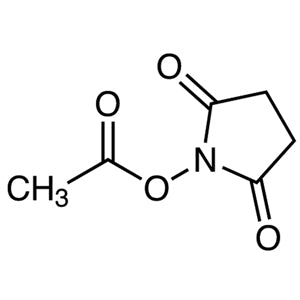
![128459-09-6 N-Methoxydiacetamide [Selective Acetylating Reagent] - AMI Scientific](http://amiscientific.com/cdn/shop/files/TCI2510M1168.jpg?v=1767124448&width=1946)
![128459-09-6 N-Methoxydiacetamide [Selective Acetylating Reagent] - AMI Scientific](http://amiscientific.com/cdn/shop/files/TCI2510M1168.jpg?v=1767124448&width=1445)
N-Methoxydiacetamide is a chemical reagent widely used in laboratory settings for its selective acetylating properties. This compound serves as a key reagent in organic chemistry, specifically for acetylating hydroxyl groups in targeted compounds without affecting other functional groups. Its role is crucial in the synthesis of complex organic molecules, where precision in chemical modification is essential. As a selective acetylating agent, it enables chemists to achieve specific structural changes with minimal side reactions, enhancing the efficiency of chemical processes.
One of the main reasons N-Methoxydiacetamide is preferred is its unique ability to selectively acetylate hydroxyl groups. This selectivity minimizes unwanted byproducts and simplifies purification steps. The compound is chemically stable under certain conditions, making it reliable for use in various laboratory environments. Its solubility in organic solvents also facilitates easy mixing and reaction processes, contributing to its popularity among researchers. These properties make it a versatile and effective tool in organic synthesis.
In Indonesian laboratories, N-Methoxydiacetamide is commonly used in organic chemistry research, particularly in academic and research institutions. It is a valuable resource for scientists working on molecular structure modification and compound synthesis. Its application is especially relevant in laboratories focused on developing new chemical compounds and conducting advanced chemical reactions. Its reliability and effectiveness make it a standard reagent in many Indonesian research settings.
TCI brochures (PDF)
- Protecting Agents 2025-03-25 · p. 7
- Organic synthesis of complex molecules where selective acetylation is required for structural modification.
- Preparation of acetylated derivatives for further chemical transformations and functional group analysis.
- Research in medicinal chemistry for the development of pharmaceutical compounds with specific molecular features.
- Analytical chemistry applications for the selective modification of hydroxyl groups in compound identification.
- Teaching and research in academic institutions for demonstrating selective acetylation reactions in undergraduate and graduate studies.
| Brand | TCI |
|---|---|
| CAS number | 128459-09-6 |
| Molecular formula | — |
| Purity | — |
| Category | Chemistry > Building Blocks > Non-Heterocyclic Building Blocks |
| Pack sizes | Available in various quantities as per supplier specifications |
| Physical form | Solid or liquid, depending on the specific formulation |
| Storage | Store in a cool, dry place away from moisture and direct sunlight |
N-Methoxydiacetamide should be stored in a cool, dry place, away from moisture and direct sunlight. It is recommended to use airtight containers to prevent exposure to air and humidity, which may affect its stability. The compound should be kept in a well-ventilated area to minimize inhalation risks. Proper personal protective equipment, such as gloves and safety goggles, should be worn when handling the material. It is important to avoid contact with skin and eyes and to ensure that spillage is cleaned up promptly. Regular monitoring of storage conditions ensures the compound remains effective and safe for use in laboratory settings.
—
Produk Terkait
-
p-Anisaldehyde TCI A0480
Regular price From Rp 530.250,00Regular price -
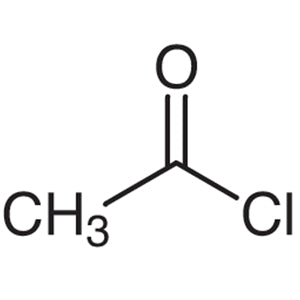
AcetylChloride TCI A0082
Regular price From Rp 795.900,00Regular price -
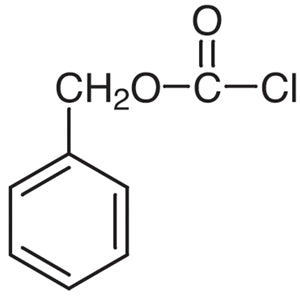
BenzylChloroformate TCI B3021
Regular price From Rp 637.350,00Regular price -
Benzaldehyde TCI B2379
Regular price Rp 743.400,00Regular price -
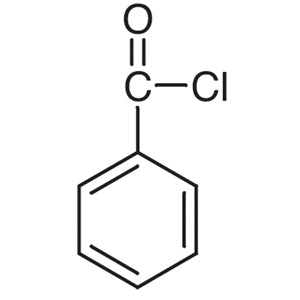
BenzoylChloride TCI B0105
Regular price Rp 505.050,00Regular price -
BenzoicAnhydride TCI B0078
Regular price Rp 584.850,00Regular price -
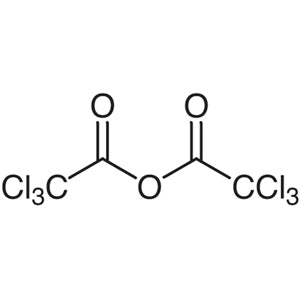
TrichloroaceticAnhydride TCI T0792
Regular price Rp 1.618.050,00Regular price -
N-SuccinimidylAcetate TCI S0878
Regular price From Rp 2.094.750,00Regular price