Barbituric Acid (TCI B0003, CAS 67-52-7) is a fundamental chemical compound widely used in laboratory settings for its versatility in organic synthesis. It serves as a key building block in the creation of heterocyclic compounds, particularly barbiturates, which have significant applications in pharmaceutical and medicinal chemistry. Its structural simplicity allows it to be a foundational element in the development of various bioactive molecules. In research laboratories, it is essential for constructing complex molecular frameworks that exhibit specific biological activities.
The chemical properties of Barbituric Acid make it a preferred choice for synthetic chemists. It is chemically stable and can react with a variety of reagents, including acids, bases, and organic compounds. This reactivity allows it to participate in multiple reaction pathways, making it adaptable to different synthetic strategies. Its ability to undergo various functional group modifications further enhances its utility in the design of new compounds. The compound’s flexibility in chemical reactions supports its application in diverse laboratory processes.
In Indonesian laboratories, Barbituric Acid is commonly used in organic chemistry, pharmaceutical research, and health sciences. It plays a vital role in the development of new therapeutic agents and the study of molecular structures with biological significance. Its availability and cost-effectiveness make it a popular choice among researchers. Its widespread use underscores its importance in both academic and industrial research settings.
Related TCI products
- TCI B1063 67-52-7 Barbituric Acid [for Colorimetric Analysis of Furfural Derivatives]
- TCI T2834 504-17-6 2-Thiobarbituric Acid [for Biochemical Research]
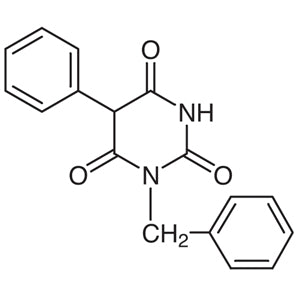
- TCI B2789 72846-00-5 1-Benzyl-5-phenylbarbituric Acid
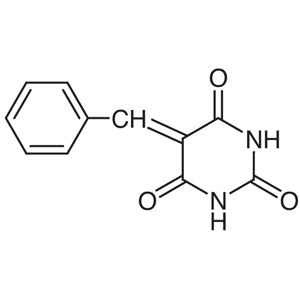
- TCI B0007 27402-47-7 5-Benzylidenebarbituric Acid
- TCI A2555 58713-03-4 5-Acetyl-1,3-dimethylbarbituric Acid
- TCI T0192 504-17-6 2-Thiobarbituric Acid
- Organic synthesis of heterocyclic compounds due to its versatile reactivity and structural adaptability.
- Pharmaceutical research for the development of barbiturate derivatives and other bioactive molecules.
- Medicinal chemistry applications in the design of compounds with specific therapeutic properties.
- Educational purposes in teaching fundamental concepts of organic chemistry and synthetic pathways.
- Industrial chemical processes requiring stable and reactive building blocks for compound development.
| Brand | TCI |
|---|---|
| CAS number | 67-52-7 |
| Molecular formula | — |
| Purity | — |
| Category | Chemistry > Building Blocks > Non-Heterocyclic Building Blocks |
| Pack sizes | Available in various quantities as per standard laboratory supply options |
| Physical form | Solid, typically in crystalline or powder form |
| Storage | Store in a cool, dry place away from direct sunlight and moisture |
Barbituric Acid should be stored in a cool, dry environment to maintain its chemical stability. It is recommended to keep it in a sealed container to prevent exposure to moisture and air. Due to its reactivity, it should be handled with care, using appropriate personal protective equipment such as gloves and safety goggles. Avoid contact with strong acids or bases to prevent unwanted chemical reactions. It is important to store it away from incompatible substances to ensure laboratory safety. Regular checks of storage conditions are advised to maintain the integrity of the compound.
—
Produk Terkait
-
BarbituricAcid[forColorimetricAnalysisofFurfuralDerivatives] TCI B1063
Regular price Rp 1.565.550,00Regular priceRp 1.094.100,00Sale price Rp 1.565.550,00 -
2-ThiobarbituricAcid[forBiochemicalResearch] TCI T2834
Regular price Rp 1.193.850,00Regular priceRp 834.750,00Sale price Rp 1.193.850,00 -
1-Benzyl-5-phenylbarbituricAcid TCI B2789
Regular price Rp 1.803.900,00Regular priceRp 1.261.050,00Sale price Rp 1.803.900,00 -
5-BenzylidenebarbituricAcid TCI B0007
Regular price Rp 2.254.350,00Regular priceRp 1.576.050,00Sale price Rp 2.254.350,00 -
5-Acetyl-1,3-dimethylbarbituricAcid TCI A2555
Regular price Rp 5.698.350,00Regular priceRp 3.984.750,00Sale price Rp 5.698.350,00 -
2-ThiobarbituricAcid TCI T0192
Regular price From Rp 1.378.650,00Regular priceRp 979.650,00Sale price From Rp 1.378.650,00 -
5-NitrobarbituricAcidTrihydrate TCI N0128
Regular price From Rp 1.749.300,00Regular priceRp 1.223.250,00Sale price From Rp 1.749.300,00 -
S-MethylthiobarbituricAcid TCI M1013
Regular price Rp 2.174.550,00Regular priceRp 1.520.400,00Sale price Rp 2.174.550,00