5-Acetyl-1,3-dimethylbarbituric Acid is a chemical compound widely used as a building block in the synthesis of heterocyclic compounds. It plays a crucial role in organic chemistry laboratories where researchers aim to develop new molecular structures with specific functional properties. This compound is particularly valuable for its ability to participate in various chemical reactions, such as acylation and substitution, making it a versatile tool in synthetic chemistry. Its structural complexity allows for the creation of a wide range of derivatives, which are essential in pharmaceutical and biochemical research.
The compound is known for its chemical stability under controlled conditions, though it remains sensitive to moisture and air exposure. These properties make it a preferred choice for researchers who require precise control over reaction conditions. Its high reactivity enables it to engage in multiple types of chemical transformations, which is essential for the synthesis of complex molecules. This reactivity, combined with its structural versatility, makes it an ideal material for advanced chemical experimentation.
In Indonesian laboratories, 5-Acetyl-1,3-dimethylbarbituric Acid is commonly used in scientific research focused on the development of new compounds. It is a key component in studies related to drug discovery, biochemistry, and organic synthesis. Its availability supports the work of researchers in academic institutions and research centers, facilitating the creation of specialized chemical materials with specific applications.
Related TCI products
- TCI D1618 769-42-6 1,3-Dimethylbarbituric Acid
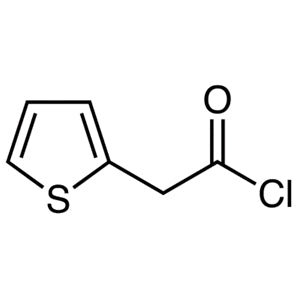
- TCI T1751 39098-97-0 Thiophene-2-acetyl Chloride
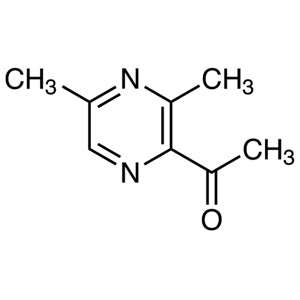
- TCI A3326 54300-08-2 2-Acetyl-3,5-dimethylpyrazine (contains 2-Acetyl-3,6-dimethylpyrazine)
- TCI A3264 29926-41-8 2-Acetyl-2-thiazoline
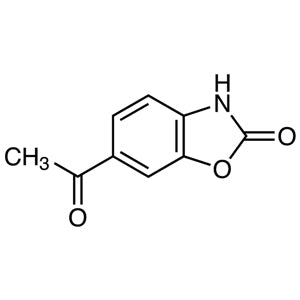
- TCI A2907 54903-09-2 6-Acetyl-2-benzoxazolinone
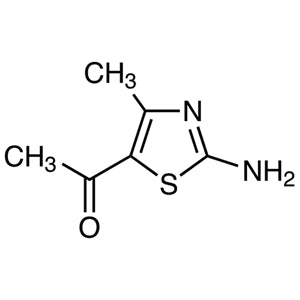
- TCI A2887 30748-47-1 5-Acetyl-2-amino-4-methylthiazole
- Drug discovery and development, as it enables the synthesis of novel compounds with potential therapeutic applications.
- Organic synthesis, due to its reactivity and ability to form a variety of heterocyclic derivatives.
- Biochemical research, where it is used to create molecules that mimic natural compounds with specific biological functions.
- Academic research in chemistry and pharmacology, supporting the development of new chemical structures for study.
- Industrial chemical production, where it serves as a precursor for the manufacture of specialized chemical products.
| Brand | TCI |
|---|---|
| CAS number | 58713-03-4 |
| Molecular formula | — |
| Purity | — |
| Category | Chemistry > Building Blocks > Heterocyclic Building Blocks |
| Pack sizes | Available in various quantities as per supplier specifications |
| Physical form | Solid powder |
| Storage | Requires protection from moisture and air exposure |
This compound should be stored in a cool, dry place away from sources of moisture and direct sunlight. It is recommended to use airtight containers to prevent exposure to air, which can lead to degradation. Due to its sensitivity, it should be handled in a controlled laboratory environment with proper ventilation. Researchers should wear appropriate personal protective equipment, such as gloves and safety goggles, when working with this material. It is important to ensure that storage conditions are consistent to maintain its chemical integrity and effectiveness in experimental applications.
—
Produk Terkait
-
1,3-DimethylbarbituricAcid TCI D1618
Regular price From Rp 1.060.500,00Regular priceRp 741.300,00Sale price From Rp 1.060.500,00 -
Thiophene-2-acetylChloride TCI T1751
Regular price Rp 1.829.100,00Regular priceRp 1.294.650,00Sale price Rp 1.829.100,00 -
2-Acetyl-3,5-dimethylpyrazine(contains2-Acetyl-3,6-dimethylpyrazine) TCI A3326
Regular price From Rp 1.378.650,00Regular priceRp 979.650,00Sale price From Rp 1.378.650,00 -
2-Acetyl-2-thiazoline TCI A3264
Regular price From Rp 1.881.600,00Regular priceRp 1.331.400,00Sale price From Rp 1.881.600,00 -
6-Acetyl-2-benzoxazolinone TCI A2907
Regular price From Rp 1.272.600,00Regular priceRp 905.100,00Sale price From Rp 1.272.600,00 -
5-Acetyl-2-amino-4-methylthiazole TCI A2887
Regular price From Rp 822.150,00Regular priceRp 590.100,00Sale price From Rp 822.150,00 -
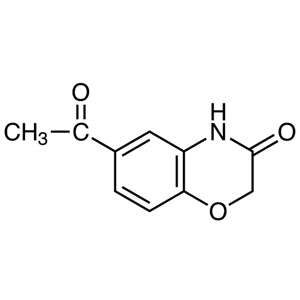
6-Acetyl-2H-1,4-benzoxazin-3(4H)-one TCI A2755
Regular price From Rp 1.298.850,00Regular priceRp 924.000,00Sale price From Rp 1.298.850,00 -
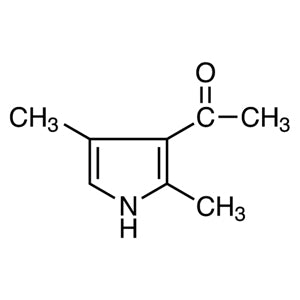
3-Acetyl-2,4-dimethylpyrrole TCI A2734
Regular price From Rp 1.776.600,00Regular priceRp 1.257.900,00Sale price From Rp 1.776.600,00