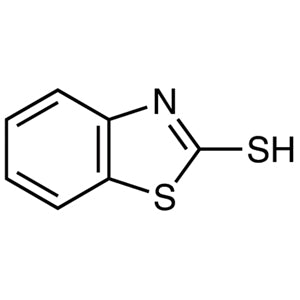
2-Mercaptobenzimidazole is a versatile chemical compound widely used in laboratory settings, particularly in the synthesis of heterocyclic compounds and organosulfur derivatives. Its unique molecular structure, featuring a sulfide group (-SH), makes it a valuable reagent in various chemical reactions, including nucleophilic and electrophilic processes. This compound plays a crucial role in the development of new pharmaceuticals, pesticides, and industrial chemicals due to its reactivity and functional group compatibility.
The compound's reactivity and ability to form bonds with a wide range of functional groups make it a preferred choice for chemists working on complex molecule synthesis. Its stability under certain conditions and availability in solid form enhance its usability in laboratory procedures. These properties allow it to be an essential component in the creation of diverse chemical structures, supporting both academic and industrial research efforts.
In Indonesian laboratories, 2-Mercaptobenzimidazole is commonly used in pharmaceutical, organic chemistry, and industrial chemistry research. Its broad range of applications makes it a key material in the development of new products and scientific studies related to heterocyclic compounds. Its reliability and effectiveness in various synthetic processes make it a staple in many research projects across different scientific disciplines.
TCI brochures (PDF)
- Polymer Additives 2026-04-16 · p. 9
Related TCI products
- Drug synthesis applications benefit from 2-Mercaptobenzimidazole due to its ability to participate in heterocyclic ring formation, which is essential for creating complex pharmaceutical compounds.
- Organic chemistry research utilizes this compound for its reactivity in nucleophilic and electrophilic reactions, enabling the synthesis of diverse functionalized molecules.
- Industrial chemical development relies on 2-Mercaptobenzimidazole for its role in creating organosulfur compounds, which are vital in the production of pesticides and other specialty chemicals.
- Pharmaceutical research employs this compound to design new drug molecules, leveraging its structural versatility and chemical reactivity.
- Heterocyclic compound synthesis is greatly supported by 2-Mercaptobenzimidazole, as it serves as a building block for creating a wide array of ring structures in chemical synthesis.
| Brand | TCI |
|---|---|
| CAS number | 583-39-1 |
| Molecular formula | — |
| Purity | — |
| Category | Chemistry > Building Blocks > Heterocyclic Building Blocks |
| Pack sizes | Available in various quantities as per supplier specifications |
| Physical form | Solid |
| Storage | Store in a cool, dry place away from moisture and direct sunlight |
2-Mercaptobenzimidazole should be stored in a cool, dry environment to maintain its stability and prevent degradation. It is recommended to keep the compound in a tightly sealed container to avoid exposure to moisture and air. Due to its reactivity, it should be handled with care, using appropriate personal protective equipment such as gloves and safety goggles. Storage away from incompatible materials is essential to ensure safety in the laboratory. Regular inspection of the container and storage conditions is advised to maintain the integrity of the compound. Proper labeling and documentation of storage locations are also important for safe laboratory practices.
—
Produk Terkait
-
5-Amino-2-mercaptobenzimidazole TCI A1482
Regular price From Rp 955.500,00Regular priceRp 683.550,00Sale price From Rp 955.500,00 -
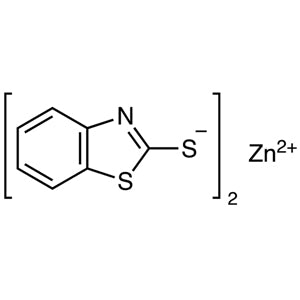
Zinc2-Mercaptobenzothiazole TCI Z0033
Regular price Rp 582.750,00Regular priceRp 423.150,00Sale price Rp 582.750,00 -
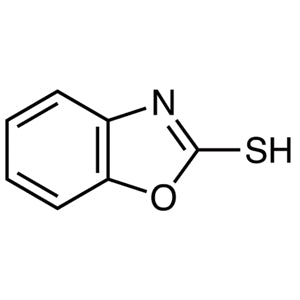
2-Mercaptobenzoxazole TCI B0096
Regular price From Rp 1.351.350,00Regular priceRp 960.750,00Sale price From Rp 1.351.350,00 -
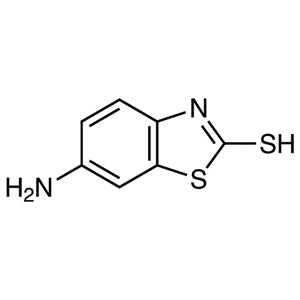
6-Amino-2-mercaptobenzothiazole TCI A0682
Regular price Rp 3.021.900,00Regular priceRp 2.128.350,00Sale price Rp 3.021.900,00 -
2-Mercaptobenzothiazole TCI M0247
Regular price From Rp 530.250,00Regular priceRp 386.400,00Sale price From Rp 530.250,00 -
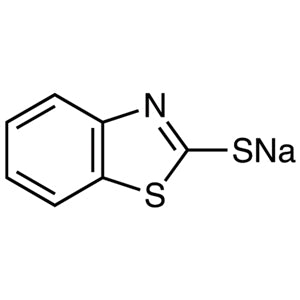
Sodium2-Mercaptobenzothiazole TCI M0057
Regular price From Rp 530.250,00Regular priceRp 386.400,00Sale price From Rp 530.250,00 -
2-Mercaptobenzothiazole TCI M0055
Regular price From Rp 530.250,00Regular priceRp 386.400,00Sale price From Rp 530.250,00 -
6-Ethoxy-2,2,4-trimethyl-1,2-dihydroquinoline[Antioxidantforrubber] TCI E0237
Regular price From Rp 822.150,00Regular priceRp 590.100,00Sale price From Rp 822.150,00