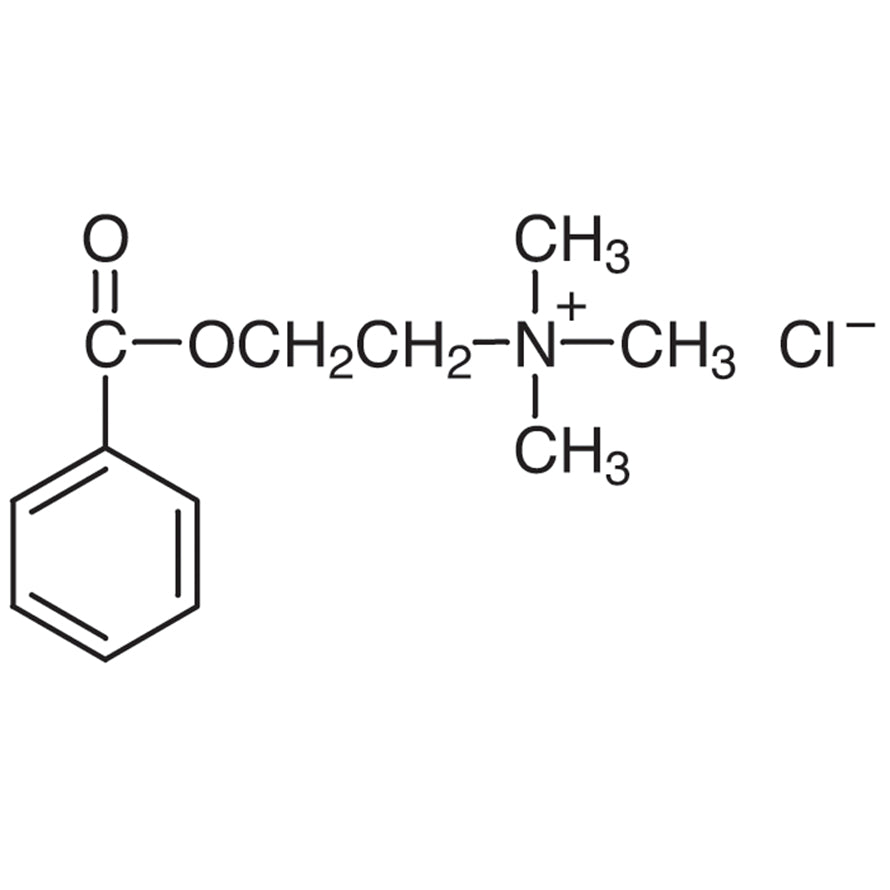
Benzoylcholine Chloride is a chemical compound widely used as a phase transfer catalyst in various chemical reactions. It plays a crucial role in laboratory settings by facilitating reactions between immiscible phases, such as water and organic solvents. This compound is particularly valuable in synthetic chemistry, where it helps improve reaction efficiency and yield. Its ability to move between different phases makes it an essential tool for chemists working on complex reactions that require efficient catalysts.
The unique chemical properties of Benzoylcholine Chloride make it a preferred choice in laboratory applications. It exhibits high molecular affinity, allowing it to interact effectively with a wide range of substrates. Additionally, it is chemically stable and can dissolve in specific organic solvents, enhancing its versatility. These characteristics ensure that it remains effective without interfering with the main reaction, making it ideal for use in both research and industrial settings.
In Indonesian laboratories, Benzoylcholine Chloride is commonly used in organic synthesis and substitution reactions. It is a key component in experiments that require efficient phase transfer catalysis. Its stability and solubility properties make it a reliable choice for researchers looking to optimize chemical processes. The compound is also favored for its safety profile, which simplifies handling and reduces risks in laboratory environments.
TCI brochures (PDF)
- Quaternary Ammonium Salts 2025-11-10 · p. 4
Related TCI products
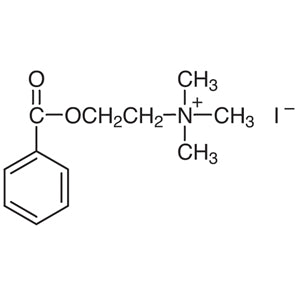
- TCI B0108 17518-43-3 Benzoylcholine Iodide
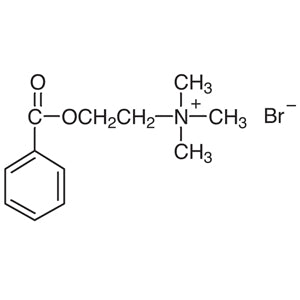
- TCI B0106 24943-60-0 Benzoylcholine Bromide
- TCI A0208 139-08-2 Benzyldimethyltetradecylammonium Chloride
- TCI T4175 1516-27-4 N,N,N-Trimethylprop-2-en-1-aminium Chloride
- TCI T2873 56375-79-2 Tributylmethylammonium Chloride (ca. 75% in water)
- TCI T2106 5810-42-4 Tetrapropylammonium Chloride
- Organic synthesis reactions benefit from Benzoylcholine Chloride due to its ability to enhance reaction efficiency and yield.
- Phase transfer catalysis applications rely on this compound to bridge immiscible phases, improving reaction rates and selectivity.
- Substitution reactions in synthetic chemistry often use Benzoylcholine Chloride to facilitate the transfer of reactive species between phases.
- Analytical chemistry procedures may incorporate this compound to improve the accuracy and reliability of reaction outcomes.
- Industrial chemical processes utilize Benzoylcholine Chloride to streamline complex reactions requiring efficient catalysts.
| Brand | TCI |
|---|---|
| CAS number | 2964-09-2 |
| Molecular formula | — |
| Purity | — |
| Category | Chemistry > Synthetic Reagents > Phase Transfer Catalysts |
| Pack sizes | Available in various quantities as per supplier specifications |
| Physical form | Solid or powder, depending on the batch |
| Storage | Store in a cool, dry place away from moisture and direct sunlight |
Benzoylcholine Chloride should be stored in a cool, dry environment to maintain its chemical stability. It is advisable to keep it in a sealed container to prevent exposure to moisture, which could affect its performance. The compound should be stored away from direct sunlight and sources of heat to avoid degradation. Suitable containers for storage include glass or high-density polyethylene vessels that are resistant to chemical reactions. In laboratory settings, it is important to handle the compound with appropriate personal protective equipment, such as gloves and safety goggles, to ensure safe usage. Regular monitoring of storage conditions is recommended to maintain the integrity of the material.
—
Produk Terkait
-
BenzoylcholineIodide TCI B0108
Regular price Rp 2.227.050,00Regular priceRp 1.572.900,00Sale price Rp 2.227.050,00 -
BenzoylcholineBromide TCI B0106
Regular price Rp 1.696.800,00Regular priceRp 1.202.250,00Sale price Rp 1.696.800,00 -
BenzyldimethyltetradecylammoniumChloride TCI A0208
Regular price From Rp 662.550,00Regular priceRp 478.800,00Sale price From Rp 662.550,00 -
N,N,N-Trimethylprop-2-en-1-aminiumChloride TCI T4175
Regular price From Rp 1.538.250,00Regular priceRp 1.090.950,00Sale price From Rp 1.538.250,00 -
TributylmethylammoniumChloride(ca.75%inwater) TCI T2873
Regular price From Rp 900.900,00Regular priceRp 645.750,00Sale price From Rp 900.900,00 -
TetrapropylammoniumChloride TCI T2106
Regular price Rp 1.908.900,00Regular priceRp 1.350.300,00Sale price Rp 1.908.900,00 -
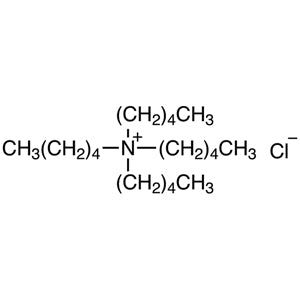
TetraamylammoniumChloride TCI T1433
Regular price From Rp 3.551.100,00Regular priceRp 2.499.000,00Sale price From Rp 3.551.100,00 -
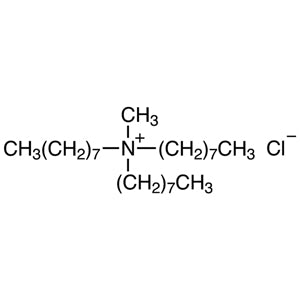
Methyltri-n-octylammoniumChloride TCI T1365
Regular price From Rp 1.483.650,00Regular priceRp 1.053.150,00Sale price From Rp 1.483.650,00