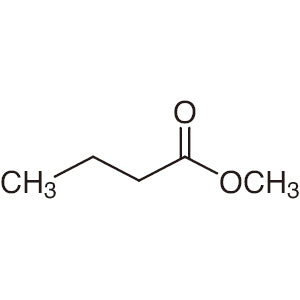
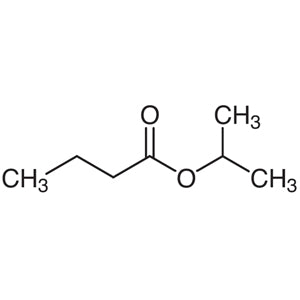
2-Ethylhexyl Butyrate is a chemical compound widely used as a building block in various chemical reactions, particularly in the synthesis of organic compounds. Its molecular structure is complex and chemically stable, making it a reliable choice for creating compounds with specific structural requirements. In the laboratory, this compound serves as an essential reagent in the formation of more complex substances, such as esters and aromatic compounds. Its versatility and stability make it a valuable tool for chemists working on diverse synthetic pathways.
One of the key properties that make 2-Ethylhexyl Butyrate a preferred choice is its excellent solubility in organic solvents like ethyl acetate and ethanol. This solubility facilitates its integration into a wide range of chemical processes, ensuring efficient reaction kinetics and product yield. Additionally, the compound possesses a distinct aroma, which is why it is frequently used in the fragrance and flavor industries. Its stability and low reactivity further enhance its appeal for use in laboratory settings where controlled chemical environments are necessary.
In Indonesian laboratories, 2-Ethylhexyl Butyrate is commonly used in chemical research, including the synthesis of new compounds, chemical component analysis, and the development of chemical products. It is also frequently encountered in studies related to aroma and flavor, as well as in processes involving esterification and other organic transformations. Its consistent performance and reliability make it a staple in both academic and industrial research environments.
TCI brochures (PDF)
- Lipids 2025-12-17 · p. 12
- Used in organic synthesis for creating ester compounds due to its reactivity and stability in controlled environments.
- Applied in fragrance and flavor research for its distinct aroma, aiding in the development of new scent profiles.
- Utilized in chemical analysis for its solubility in organic solvents, allowing for accurate compound isolation and identification.
- Employed in the development of new chemical products for its versatility in forming complex molecular structures.
- Integrated into research on aromatic compounds due to its role in facilitating the synthesis of aromatic derivatives.
| Brand | TCI |
|---|---|
| CAS number | 25415-84-3 |
| Molecular formula | — |
| Purity | — |
| Category | Chemistry > Building Blocks > Non-Heterocyclic Building Blocks |
| Pack sizes | Available in various quantities as per standard laboratory requirements |
| Physical form | Liquid |
| Storage | Store in a cool, dry place away from direct sunlight |
2-Ethylhexyl Butyrate should be stored in a cool, dry place, away from direct sunlight and sources of heat. It is recommended to use airtight containers made of glass or high-density polyethylene to prevent contamination and evaporation. Due to its chemical stability, it does not require refrigeration but should be kept in a well-ventilated area to avoid any potential buildup of vapors. In laboratory settings, it is important to handle the compound with care, using appropriate personal protective equipment such as gloves and safety goggles. Avoid mixing with incompatible substances and ensure proper ventilation when working with this material to maintain a safe working environment.
—
Produk Terkait
-
sec-ButylButyrate TCI B3559
Regular price From Rp 2.094.750,00Regular priceRp 1.464.750,00Sale price From Rp 2.094.750,00 -
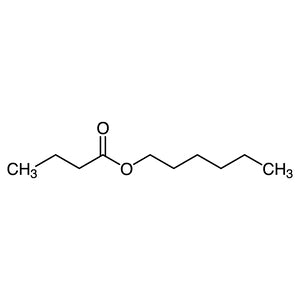
HexylButyrate TCI B1891
Regular price From Rp 1.033.200,00Regular priceRp 738.150,00Sale price From Rp 1.033.200,00 -
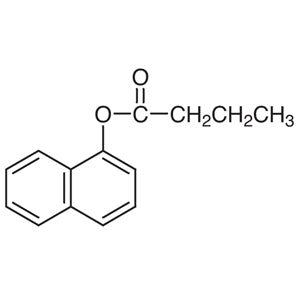
1-NaphthylButyrate TCI B1096
Regular price Rp 3.710.700,00Regular priceRp 2.594.550,00Sale price Rp 3.710.700,00 -
trans-2-HexenylButyrate TCI B1075
Regular price Rp 2.254.350,00Regular priceRp 1.576.050,00Sale price Rp 2.254.350,00 -
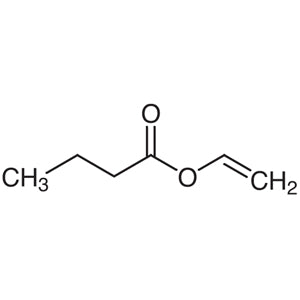
VinylButyrate(stabilizedwithMEHQ) TCI B0765
Regular price From Rp 505.050,00Regular priceRp 352.800,00Sale price From Rp 505.050,00 -
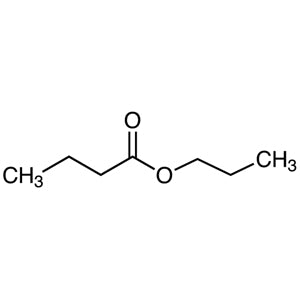
PropylButyrate TCI B0764
Regular price From Rp 505.050,00Regular priceRp 352.800,00Sale price From Rp 505.050,00 -
MethylButyrate TCI B0763
Regular price From Rp 477.750,00Regular priceRp 333.900,00Sale price From Rp 477.750,00 -
IsopropylButyrate TCI B0762
Regular price Rp 452.550,00Regular priceRp 316.050,00Sale price Rp 452.550,00