4-Bromo-DL-mandelic acid is a chemical compound widely used in laboratory settings for the synthesis of complex molecules. As a key building block in organic chemistry, it plays a crucial role in the development of compounds with specific structural features. This compound is commonly utilized in the creation of pharmaceuticals, industrial chemicals, and research materials. Its versatility makes it an essential tool for chemists working on molecular design and modification. In the laboratory, it serves as a foundational element for various synthetic pathways, enabling the construction of more intricate chemical structures.
The compound's unique properties, including the presence of a bromo group and a mandelic acid structure, make it a preferred choice for researchers. These characteristics provide it with reactivity and specificity, allowing it to participate in a range of chemical reactions such as nucleophilic, electrophilic, and substitution reactions. Its stability and reactivity ensure reliable results in synthetic processes, making it a valuable asset in organic chemistry research. The combination of these features enhances its utility in both academic and industrial applications.
In Indonesian laboratories, 4-Bromo-DL-mandelic acid is frequently used in scientific research, including drug synthesis, organic compound modification, and the development of new chemical materials. It is particularly relevant for researchers in pharmaceuticals, organic chemistry, and related fields. Its role in advancing chemical innovation makes it a critical component in the work of Indonesian scientists and researchers.
Related TCI products
- Drug synthesis applications benefit from 4-Bromo-DL-mandelic acid due to its reactivity and structural versatility, enabling the creation of complex pharmaceutical compounds.
- Organic compound modification relies on this compound for its ability to participate in substitution and reduction reactions, allowing for structural changes in target molecules.
- New chemical material development utilizes this compound as a building block for the synthesis of advanced materials with specific functional properties.
- Research in pharmaceutical chemistry often incorporates this compound to explore new drug candidates and improve existing therapeutic agents.
- Industrial chemical production uses this compound for its role in the synthesis of specialty chemicals and intermediates required in various manufacturing processes.
| Brand | TCI |
|---|---|
| CAS number | 6940-50-7 |
| Molecular formula | — |
| Purity | — |
| Category | Chemistry > Building Blocks > Non-Heterocyclic Building Blocks |
| Pack sizes | As available from supplier |
| Physical form | Solid |
| Storage | Store in a cool, dry place away from light and moisture |
4-Bromo-DL-mandelic acid should be stored in a cool, dry environment, away from direct light and moisture to maintain its chemical integrity. It is recommended to use airtight containers to prevent exposure to air and humidity, which could affect its stability. Laboratory personnel should handle the compound with appropriate personal protective equipment, including gloves and safety goggles, to ensure safety during handling. Proper ventilation is essential when working with this compound to minimize inhalation risks. It is important to avoid contact with incompatible substances and to follow standard laboratory safety protocols when working with reactive chemicals. Storage conditions should be monitored regularly to ensure optimal preservation of the compound's properties.
—
Produk Terkait
-
DL-MandelicAcid TCI M0038
Regular price From Rp 610.050,00Regular priceRp 442.050,00Sale price From Rp 610.050,00 -
alpha-Cyclopentyl-DL-mandelicAcid TCI C2394
Regular price From Rp 1.140.300,00Regular priceRp 812.700,00Sale price From Rp 1.140.300,00 -
alpha-Cyclohexyl-DL-mandelicAcid TCI C2393
Regular price From Rp 1.167.600,00Regular priceRp 831.600,00Sale price From Rp 1.167.600,00 -
3-Chloro-DL-mandelicAcid TCI C2009
Regular price From Rp 1.087.800,00Regular priceRp 775.950,00Sale price From Rp 1.087.800,00 -
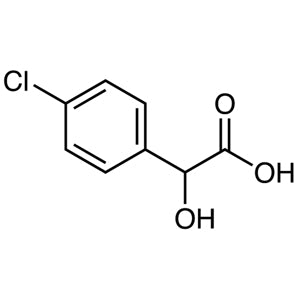
4-Chloro-DL-mandelicAcid TCI C0193
Regular price From Rp 1.087.800,00Regular priceRp 775.950,00Sale price From Rp 1.087.800,00 -
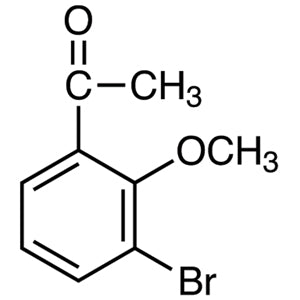
3'-Bromo-2'-methoxyacetophenone TCI B5498
Regular price From Rp 1.140.300,00Regular priceRp 812.700,00Sale price From Rp 1.140.300,00 -
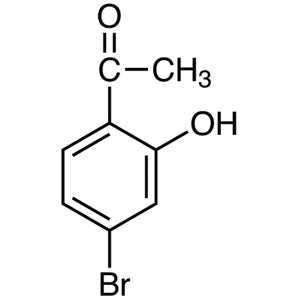
4'-Bromo-2'-hydroxyacetophenone TCI B5382
Regular price From Rp 875.700,00Regular priceRp 627.900,00Sale price From Rp 875.700,00 -
3-Bromo-2-methoxybenzoicAcid TCI B5262
Regular price From Rp 980.700,00Regular priceRp 701.400,00Sale price From Rp 980.700,00