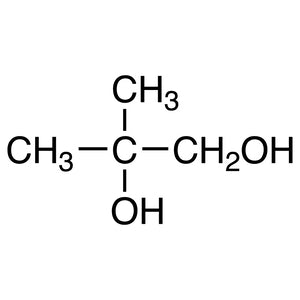
1-Bromo-2-methylpropane is a chemical compound widely used as a building block in organic synthesis. It serves as a versatile intermediate in various chemical reactions, particularly those involving bromine substitution on carbon chains. Its simple molecular structure makes it an essential component in the development of more complex organic molecules. In the laboratory, it plays a crucial role in both research and educational settings, enabling chemists to explore reaction mechanisms and functional group transformations. This compound is particularly valuable for its ability to participate in a range of synthetic pathways, making it a fundamental tool in chemical experimentation.
The chemical properties of 1-Bromo-2-methylpropane contribute to its popularity among laboratory professionals. It exhibits moderate reactivity and stability, allowing it to be used under a variety of reaction conditions. Its relatively low boiling and melting points make it easy to handle during distillation or crystallization processes. These characteristics simplify laboratory procedures, reducing the complexity of experimental setups. Additionally, its non-toxic nature and manageable handling properties enhance its safety profile, making it a preferred choice for both academic and industrial applications.
In Indonesian laboratories, 1-Bromo-2-methylpropane is commonly used in both pure and applied chemical research. It is an essential reagent in pharmaceutical development, material science, and industrial chemistry. Its availability in the local market supports ongoing research and educational activities, ensuring that scientists and students have access to reliable chemical building blocks. This compound is particularly relevant for institutions and industries that require controlled chemical reagents for experimentation and innovation.
Related TCI products
- TCI B0617 507-19-7 2-Bromo-2-methylpropane
- TCI B1072 558-17-8 2-Iodo-2-methylpropane (stabilized with Copper chip)
- TCI I0322 513-38-2 1-Iodo-2-methylpropane (stabilized with Copper chip)
- TCI C0834 753-89-9 1-Chloro-2,2-dimethylpropane
- TCI C0208 507-20-0 2-Chloro-2-methylpropane
- TCI C0207 513-36-0 1-Chloro-2-methylpropane
- Organic synthesis is a primary application where 1-Bromo-2-methylpropane is used to introduce bromine atoms into carbon chains, enabling the formation of more complex organic molecules.
- Pharmaceutical research benefits from this compound as it is used in the development of new drugs and therapeutic agents through brominated intermediates.
- Material science applications involve the use of this compound in the creation of polymers and specialty chemicals with tailored properties.
- Educational institutions utilize it for teaching chemical reaction mechanisms and synthetic strategies in undergraduate and graduate courses.
- Industrial chemical processes incorporate this compound as a key reagent in the production of various chemical products and intermediates.
| Brand | TCI |
|---|---|
| CAS number | 78-77-3 |
| Molecular formula | — |
| Purity | — |
| Category | Chemistry > Building Blocks > Non-Heterocyclic Building Blocks |
| Pack sizes | Available in various sizes as per supplier specifications |
| Physical form | Liquid |
| Storage | Store in a cool, dry place away from direct sunlight |
1-Bromo-2-methylpropane should be stored in a cool, dry environment, away from direct sunlight and sources of heat. It is recommended to use airtight containers made of glass or polyethylene to prevent contamination and evaporation. Due to its moderate reactivity, it should be handled with care, using appropriate personal protective equipment such as gloves and safety goggles. It is important to ensure proper ventilation in the laboratory to minimize exposure to vapors. The compound should not be stored near incompatible materials such as strong oxidizers or flammable substances. Regular monitoring of storage conditions is advised to maintain its stability and safety during long-term use.
—
Produk Terkait
-
2-Bromo-2-methylpropane TCI B0617
Regular price From Rp 769.650,00Regular priceRp 537.600,00Sale price From Rp 769.650,00 -
2-Iodo-2-methylpropane(stabilizedwithCopperchip) TCI B1072
Regular price Rp 2.332.050,00Regular priceRp 1.630.650,00Sale price Rp 2.332.050,00 -
1-Iodo-2-methylpropane(stabilizedwithCopperchip) TCI I0322
Regular price Rp 2.016.000,00Regular priceRp 1.409.100,00Sale price Rp 2.016.000,00 -
1-Chloro-2,2-dimethylpropane TCI C0834
Regular price From Rp 1.856.400,00Regular priceRp 1.297.800,00Sale price From Rp 1.856.400,00 -
2-Chloro-2-methylpropane TCI C0208
Regular price From Rp 477.750,00Regular priceRp 333.900,00Sale price From Rp 477.750,00 -
1-Chloro-2-methylpropane TCI C0207
Regular price From Rp 875.700,00Regular priceRp 612.150,00Sale price From Rp 875.700,00 -
1-Bromo-2,2-dimethylpropane TCI B6440
Regular price From Rp 1.988.700,00Regular priceRp 1.390.200,00Sale price From Rp 1.988.700,00 -
2-Methylpropane-1,2-diol TCI M3821
Regular price From Rp 2.439.150,00Regular priceRp 1.720.950,00Sale price From Rp 2.439.150,00