1,3-Butanediol is a versatile chemical compound widely used in laboratory settings for its ability to participate in various chemical reactions. As a fundamental building block in organic chemistry, it serves as a key intermediate in the synthesis of more complex molecules. Its simple yet adaptable structure allows for substitution reactions and polymerization processes, making it an essential tool for chemists working on a wide range of projects. This compound is particularly valuable in research and educational environments where the development of new materials and compounds is a priority.
The chemical properties of 1,3-Butanediol make it a preferred choice for laboratory applications. It is chemically stable and reactive, allowing it to be used in a variety of synthetic pathways. Its non-toxic nature and low volatility contribute to its safety profile, making it suitable for use in both educational and research laboratories. Additionally, its good solubility in organic solvents enhances its utility in different experimental setups, ensuring compatibility with a wide range of reagents and conditions.
In Indonesian laboratories, 1,3-Butanediol is commonly used in both academic and research settings. It is a staple in chemistry departments of universities and research institutions, where it supports basic experiments and advanced research projects. Its availability and affordability make it a practical choice for educators and researchers alike, ensuring its continued use in the development of new chemical knowledge and applications.
Related TCI products
- TCI B3326 71998-70-4 4-Benzyloxy-1,3-butanediol
- TCI B2402 111-32-0 1,4-Butanediol Monomethyl Ether
- TCI B0804 584-03-2 1,2-Butanediol
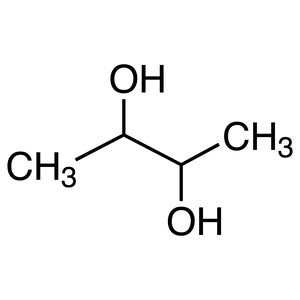
- TCI B0681 513-85-9 2,3-Butanediol (mixture of stereoisomers)
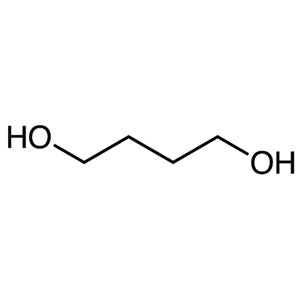
- TCI B0680 110-63-4 1,4-Butanediol
- TCI T0145 3010-96-6 2,2,4,4-Tetramethyl-1,3-cyclobutanediol (mixture of isomers)
- Organic synthesis is a primary application where 1,3-Butanediol is used to create esters, amines, and heterocyclic compounds through substitution and polymerization reactions.
- Educational experiments benefit from its simplicity and stability, allowing students to explore fundamental chemical reactions in a safe and controlled environment.
- Polymerization processes rely on 1,3-Butanediol’s ability to form long-chain molecules, making it useful in the development of new materials and polymers.
- Solvent compatibility is a key advantage, as it dissolves well in organic solvents, facilitating a wide range of chemical reactions and analytical procedures.
- Research in chemical engineering and material science utilizes 1,3-Butanediol as a building block for creating advanced compounds and functional materials.
| Brand | TCI |
|---|---|
| CAS number | 107-88-0 |
| Molecular formula | — |
| Purity | — |
| Category | Chemistry > Building Blocks > Non-Heterocyclic Building Blocks |
| Pack sizes | Available in various quantities suitable for laboratory use |
| Physical form | Liquid |
| Storage | Store in a cool, dry place away from direct sunlight |
1,3-Butanediol should be stored in a cool, dry location, away from direct sunlight and sources of heat. It is recommended to use sealed containers to prevent evaporation and contamination. Due to its non-toxic and low-volatility nature, it is generally safe to handle in a well-ventilated laboratory environment. However, standard laboratory safety practices should be followed, including the use of personal protective equipment such as gloves and safety goggles. The compound is not flammable, but it should be kept away from open flames and ignition sources. Proper labeling of containers is essential to ensure safe handling and prevent accidental exposure.
—
Produk Terkait
-
4-Benzyloxy-1,3-butanediol TCI B3326
Regular price From Rp 2.439.150,00Regular priceRp 1.720.950,00Sale price From Rp 2.439.150,00 -
1,4-ButanediolMonomethylEther TCI B2402
Regular price From Rp 2.411.850,00Regular priceRp 1.702.050,00Sale price From Rp 2.411.850,00 -
1,2-Butanediol TCI B0804
Regular price From Rp 557.550,00Regular priceRp 405.300,00Sale price From Rp 557.550,00 -
2,3-Butanediol(mixtureofstereoisomers) TCI B0681
Regular price From Rp 769.650,00Regular priceRp 553.350,00Sale price From Rp 769.650,00 -
1,4-Butanediol TCI B0680
Regular price From Rp 530.250,00Regular priceRp 386.400,00Sale price From Rp 530.250,00 -
2,2,4,4-Tetramethyl-1,3-cyclobutanediol(mixtureofisomers) TCI T0145
Regular price From Rp 2.279.550,00Regular priceRp 1.609.650,00Sale price From Rp 2.279.550,00 -
3-Methyl-1,3-butanediol TCI M0818
Regular price From Rp 530.250,00Regular priceRp 386.400,00Sale price From Rp 530.250,00 -
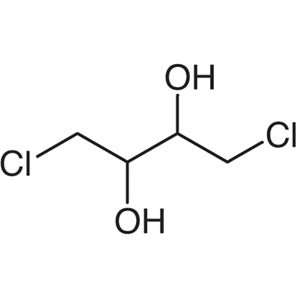
DL-1,4-Dichloro-2,3-butanediol TCI D3423
Regular price From Rp 3.975.300,00Regular priceRp 2.795.100,00Sale price From Rp 3.975.300,00