1,4-Butanediol is a versatile chemical compound widely used in laboratory settings for its ability to participate in various organic synthesis reactions. As a diol, it contains two hydroxyl groups positioned on the second and fourth carbon atoms of a butane chain, making it a valuable building block in the creation of both heterocyclic and non-heterocyclic compounds. Its structural simplicity and reactivity make it an essential component in the development of synthetic pathways, particularly in the preparation of complex organic molecules. This compound is commonly found in chemical laboratories where researchers are engaged in the synthesis of new materials and pharmaceuticals.
The chemical properties of 1,4-Butanediol contribute to its popularity in laboratory applications. It exhibits chemical stability and is not easily flammable, which enhances safety in laboratory environments. Its relatively high boiling point allows it to be used in reactions requiring elevated temperatures without significant volatility. These characteristics make it suitable for a wide range of chemical processes, including esterification, etherification, and polymerization. Its ability to react with various functional groups further expands its utility in synthetic chemistry.
In Indonesian laboratories, 1,4-Butanediol is frequently used in organic chemistry research, especially in the synthesis of synthetic compounds and pharmaceutical intermediates. Its availability and reliability make it a preferred choice for both academic and industrial research. It is commonly used in laboratories that focus on drug development, material science, and chemical engineering. Its role in supporting scientific innovation underscores its importance in the Indonesian scientific community.
Related TCI products
- TCI B3326 71998-70-4 4-Benzyloxy-1,3-butanediol
- TCI B2402 111-32-0 1,4-Butanediol Monomethyl Ether
- TCI B0804 584-03-2 1,2-Butanediol
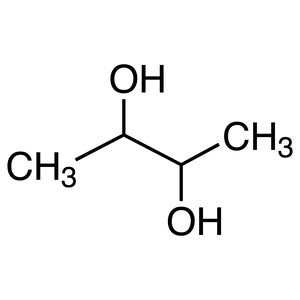
- TCI B0681 513-85-9 2,3-Butanediol (mixture of stereoisomers)
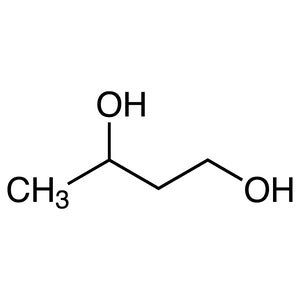
- TCI B0679 107-88-0 1,3-Butanediol
- TCI T0145 3010-96-6 2,2,4,4-Tetramethyl-1,3-cyclobutanediol (mixture of isomers)
- Organic synthesis is a key application where 1,4-Butanediol serves as a building block for creating complex molecules due to its reactivity and structural versatility.
- Polymer production benefits from 1,4-Butanediol as it can act as a monomer or cross-linking agent in the formation of polymeric materials.
- Pharmaceutical research utilizes 1,4-Butanediol in the synthesis of drug intermediates because of its ability to form esters and ethers.
- Analytical chemistry employs 1,4-Butanediol as a standard in chromatographic and spectroscopic analyses due to its well-defined chemical properties.
- Industrial chemical processes rely on 1,4-Butanediol for its role in the production of solvents and specialty chemicals due to its stability and solubility characteristics.
| Brand | TCI |
|---|---|
| CAS number | 110-63-4 |
| Molecular formula | — |
| Purity | — |
| Category | Chemistry > Building Blocks > Non-Heterocyclic Building Blocks |
| Pack sizes | Available in various quantities as per standard laboratory supply |
| Physical form | Liquid |
| Storage | Store in a cool, dry place away from direct sunlight and incompatible materials |
1,4-Butanediol should be stored in a cool, dry location away from direct sunlight and sources of heat to maintain its chemical stability. It is recommended to use appropriate containers that are resistant to chemical corrosion, such as glass or high-density polyethylene (HDPE) bottles. In laboratory settings, it is important to ensure proper ventilation when handling this compound to minimize exposure to vapors. Although it is not easily flammable, it should be kept away from strong oxidizing agents to prevent potential chemical interactions. Care should be taken to avoid contact with skin and eyes, and personal protective equipment such as gloves and safety goggles should be worn during handling. Proper labeling of storage containers is also essential to ensure safe and efficient use in the laboratory environment.
—
Produk Terkait
-
4-Benzyloxy-1,3-butanediol TCI B3326
Regular price From Rp 2.439.150,00Regular priceRp 1.720.950,00Sale price From Rp 2.439.150,00 -
1,4-ButanediolMonomethylEther TCI B2402
Regular price From Rp 2.411.850,00Regular priceRp 1.702.050,00Sale price From Rp 2.411.850,00 -
1,2-Butanediol TCI B0804
Regular price From Rp 557.550,00Regular priceRp 405.300,00Sale price From Rp 557.550,00 -
2,3-Butanediol(mixtureofstereoisomers) TCI B0681
Regular price From Rp 769.650,00Regular priceRp 553.350,00Sale price From Rp 769.650,00 -
1,3-Butanediol TCI B0679
Regular price From Rp 557.550,00Regular priceRp 405.300,00Sale price From Rp 557.550,00 -
2,2,4,4-Tetramethyl-1,3-cyclobutanediol(mixtureofisomers) TCI T0145
Regular price From Rp 2.279.550,00Regular priceRp 1.609.650,00Sale price From Rp 2.279.550,00 -
3-Methyl-1,3-butanediol TCI M0818
Regular price From Rp 530.250,00Regular priceRp 386.400,00Sale price From Rp 530.250,00 -
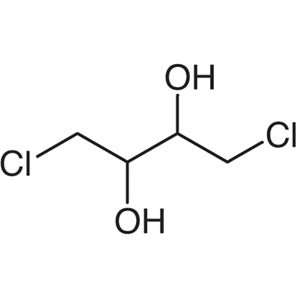
DL-1,4-Dichloro-2,3-butanediol TCI D3423
Regular price From Rp 3.975.300,00Regular priceRp 2.795.100,00Sale price From Rp 3.975.300,00