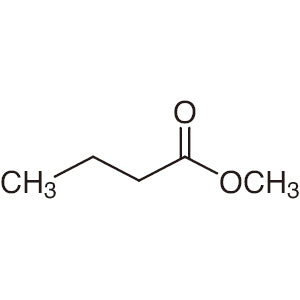
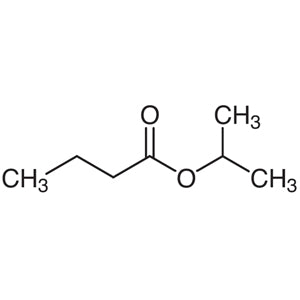
Amil Butyrate (540-18-1) is a chemical compound widely used in laboratory settings for various chemical reactions. As a building block in organic chemistry, it plays a crucial role in the synthesis of complex organic molecules. Its versatility makes it a valuable tool for chemists working on both academic and industrial research projects. This compound is particularly useful in esterification reactions and the formation of aromatic or aliphatic compounds. Its stable molecular structure ensures consistent performance across different experimental conditions.
Amil Butyrate is preferred due to its simple chemical properties and stability. It is non-polar, which makes it suitable for a range of solvents and reaction conditions. Its relatively high boiling point allows for controlled reaction environments, enhancing the precision of laboratory procedures. Additionally, it is not prone to degradation under normal conditions, ensuring reliable results over time. The compound is also considered safe for use in laboratories, as it is non-toxic and free from harmful substances. These characteristics contribute to its widespread use in both research and educational settings.
In Indonesian laboratories, Amil Butyrate is commonly used in pure chemical research and industrial applications. It is a key component in the development of new chemical technologies and is frequently utilized in academic institutions for teaching and research purposes. Its availability and high quality make it a preferred choice among researchers and students alike. The compound supports both basic and advanced chemical experiments, making it an essential material in the chemical laboratory ecosystem.
TCI brochures (PDF)
- Lipids 2025-12-17 · p. 12
- Esterification Reactions – Amil Butyrate is ideal for esterification due to its stable molecular structure and non-polar nature, allowing for efficient reaction with carboxylic acids.
- Synthesis of Aromatic Compounds – Its ability to participate in various organic reactions makes it suitable for the synthesis of aromatic and aliphatic compounds in laboratory settings.
- Organic Chemistry Education – Amil Butyrate is frequently used in teaching laboratories to demonstrate fundamental chemical reactions and synthesis techniques.
- Industrial Chemical Development – Its reliability and consistent performance make it a preferred choice for developing new chemical products in the industrial sector.
- Research in Organic Synthesis – Amil Butyrate supports advanced research in organic chemistry, enabling the creation of complex molecular structures for scientific exploration.
| Brand | TCI |
|---|---|
| CAS number | 540-18-1 |
| Molecular formula | — |
| Purity | — |
| Category | Chemistry > Building Blocks > Non-Heterocyclic Building Blocks |
| Pack sizes | Available in various quantities as per standard laboratory supply specifications |
| Physical form | Liquid |
| Storage | Store in a cool, dry place away from direct sunlight and incompatible materials |
Amil Butyrate should be stored in a cool, dry environment to maintain its stability and prevent degradation. It is recommended to keep the compound in a sealed container to minimize exposure to air and moisture. Suitable containers for storage include glass or high-density polyethylene bottles, which are resistant to chemical reactions. As it is non-toxic and non-hazardous, general laboratory precautions such as proper labeling and safe handling procedures are sufficient. Ensure that the storage area is well-ventilated and free from incompatible substances to maintain a safe working environment.
—
Produk Terkait
-
sec-ButylButyrate TCI B3559
Regular price From Rp 2.094.750,00Regular priceRp 1.464.750,00Sale price From Rp 2.094.750,00 -
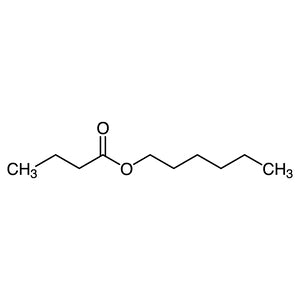
HexylButyrate TCI B1891
Regular price From Rp 1.033.200,00Regular priceRp 738.150,00Sale price From Rp 1.033.200,00 -
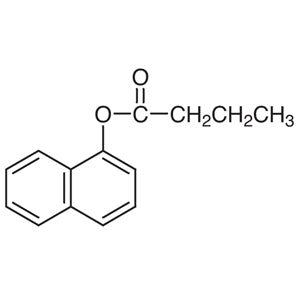
1-NaphthylButyrate TCI B1096
Regular price Rp 3.710.700,00Regular priceRp 2.594.550,00Sale price Rp 3.710.700,00 -
trans-2-HexenylButyrate TCI B1075
Regular price Rp 2.254.350,00Regular priceRp 1.576.050,00Sale price Rp 2.254.350,00 -
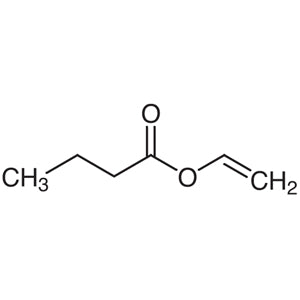
VinylButyrate(stabilizedwithMEHQ) TCI B0765
Regular price From Rp 505.050,00Regular priceRp 352.800,00Sale price From Rp 505.050,00 -
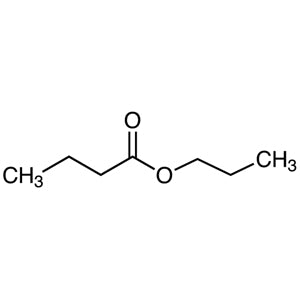
PropylButyrate TCI B0764
Regular price From Rp 505.050,00Regular priceRp 352.800,00Sale price From Rp 505.050,00 -
MethylButyrate TCI B0763
Regular price From Rp 477.750,00Regular priceRp 333.900,00Sale price From Rp 477.750,00 -
IsopropylButyrate TCI B0762
Regular price Rp 452.550,00Regular priceRp 316.050,00Sale price Rp 452.550,00