Tert-Butylacetic Acid (t-BuAc) is a chemical compound widely used in laboratory settings for its versatility in organic synthesis. As a building block in chemical reactions, it plays a crucial role in the development of complex organic molecules. Its simple yet essential structure makes it a valuable reagent in various synthetic pathways. This compound is commonly used in esterification reactions, functional group transformations, and the synthesis of tert-alkylated compounds. Its stability and reactivity make it a reliable choice for researchers and students alike.
The key properties of tert-Butylacetic Acid include its solubility in organic solvents such as ethyl acetate and ethanol, which facilitates its use in a wide range of laboratory procedures. Its stable nature under normal conditions ensures that it remains effective over time, reducing the risk of degradation. Additionally, its characteristic odor and resistance to decomposition contribute to its ease of storage and long-term usability. These features make it a preferred choice for both academic and industrial research applications.
In Indonesian laboratories, tert-Butylacetic Acid is commonly used in chemical research, particularly in university-level education and industrial applications. It is a fundamental component in courses related to chemistry, pharmacy, and materials science. Its relevance in these fields underscores its importance as a key reagent in both teaching and research environments.
- Organic synthesis is a primary application where tert-Butylacetic Acid is used to form esters and other functional groups, providing a reliable source for complex molecule creation.
- Functional group modification benefits from its reactivity, enabling the transformation of various organic compounds in synthetic pathways.
- Esterification reactions are effectively supported by its solubility and stability, making it ideal for producing ester derivatives in laboratory settings.
- Industrial research utilizes its properties for the development of new materials and pharmaceutical compounds, supporting innovation in chemical processes.
- Educational laboratories rely on its consistent performance for teaching students about chemical reactions and synthesis techniques.
| Brand | TCI |
|---|---|
| CAS number | 1070-83-3 |
| Molecular formula | — |
| Purity | — |
| Category | Chemistry > Building Blocks > Non-Heterocyclic Building Blocks |
| Pack sizes | — |
| Physical form | — |
| Storage | Store in a cool, dry place away from direct sunlight |
Tert-Butylacetic Acid should be stored in a cool, dry place away from direct sunlight to maintain its stability and prevent degradation. It is recommended to use sealed containers made of materials compatible with organic solvents to avoid contamination and evaporation. Due to its characteristic odor, it is advisable to handle it in a well-ventilated area or fume hood to ensure safety. While it is stable under normal conditions, it should be kept away from heat sources and incompatible substances. Proper labeling and storage practices are essential to maintain its quality and ensure safe handling in laboratory environments.
—
Produk Terkait
-
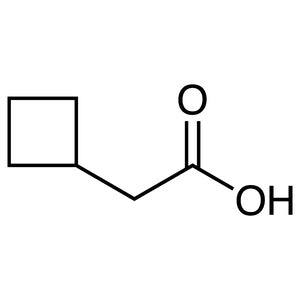
2-CyclobutylaceticAcid TCI C3784
Regular price From Rp 2.650.200,00Regular priceRp 1.869.000,00Sale price From Rp 2.650.200,00 -
Ethyltert-Butylacetate TCI B1510
Regular price From Rp 3.472.350,00Regular priceRp 2.443.350,00Sale price From Rp 3.472.350,00 -
4'-Butylacetophenone TCI B1000
Regular price Rp 1.644.300,00Regular priceRp 1.149.750,00Sale price Rp 1.644.300,00 -
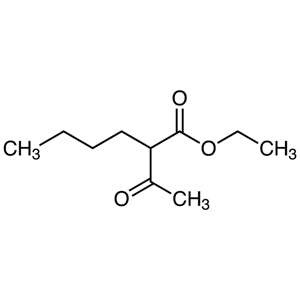
Ethyl2-Butylacetoacetate TCI B0702
Regular price From Rp 1.431.150,00Regular priceRp 1.016.400,00Sale price From Rp 1.431.150,00 -
4'-Isobutylacetophenone TCI I0417
Regular price From Rp 2.094.750,00Regular priceRp 1.464.750,00Sale price From Rp 2.094.750,00 -
4'-tert-Butylacetophenone TCI B6460
Regular price From Rp 1.538.250,00Regular priceRp 1.075.200,00Sale price From Rp 1.538.250,00 -
CyclopentylaceticAcid TCI C0894
Regular price Rp 1.988.700,00Regular priceRp 1.405.950,00Sale price Rp 1.988.700,00