Beta-Bromophenetole (589-10-6) is a chemical compound widely used in organic synthesis as a building block in laboratory settings. It serves as a versatile intermediate in the creation of complex organic molecules, particularly in pharmaceutical and industrial chemical research. Its unique structure, featuring a bromo group at the beta position of a phenol ring, allows for a range of chemical reactions, including substitution, elimination, and electrophilic reactions. This makes it an essential tool for chemists seeking to modify molecular structures with precision.
The compound's chemical properties make it a preferred choice in synthetic chemistry. Its bromo group is highly reactive and easily substituted, making it ideal for nucleophilic substitution reactions. Additionally, its stability under certain conditions ensures that it remains a reliable reagent in controlled environments. The solid form of Beta-Bromophenetole also facilitates easy handling and processing, which is crucial in laboratory workflows. These characteristics contribute to its popularity among researchers working on organic synthesis projects.
In Indonesian laboratories, Beta-Bromophenetole is commonly used in organic chemistry research, especially in pharmaceutical and material science applications. Its ability to participate in various chemical reactions and its role in synthesizing bioactive compounds make it a key component in drug development and advanced material synthesis. Its availability and ease of use have made it a staple in both academic and industrial research settings in Indonesia.
- Organic synthesis is a primary application where Beta-Bromophenetole is used to create complex molecules through substitution and elimination reactions.
- Pharmaceutical research benefits from its reactivity, allowing the synthesis of bioactive compounds with specific therapeutic properties.
- Material science applications utilize its chemical versatility for the development of new polymers and functional materials.
- Analytical chemistry laboratories use it as a reference standard for identifying and quantifying compounds in various samples.
- Industrial chemical production relies on its stability and reactivity to manufacture specialty chemicals and intermediates.
| Brand | TCI |
|---|---|
| CAS number | 589-10-6 |
| Molecular formula | — |
| Purity | — |
| Category | Chemistry > Building Blocks > Non-Heterocyclic Building Blocks |
| Pack sizes | Available in standard laboratory quantities |
| Physical form | Solid |
| Storage | Store in a cool, dry place away from light and moisture |
Beta-Bromophenetole should be stored in a cool, dry place away from direct light and moisture to maintain its chemical stability. It is recommended to use airtight containers to prevent exposure to air and humidity, which could affect its reactivity. Due to its bromo group, it is advisable to handle it with appropriate personal protective equipment, such as gloves and safety goggles, to ensure laboratory safety. The compound is not classified as hazardous under standard conditions, but care should be taken to avoid contamination and ensure proper ventilation in the workspace. Proper storage and handling procedures help preserve its chemical integrity and ensure safe use in laboratory environments.
—
Produk Terkait
-
3-Bromophenetole TCI B2062
Regular price From Rp 1.087.800,00Regular priceRp 760.200,00Sale price From Rp 1.087.800,00 -
4-Bromophenetole TCI B1434
Regular price Rp 848.400,00Regular priceRp 593.250,00Sale price Rp 848.400,00 -
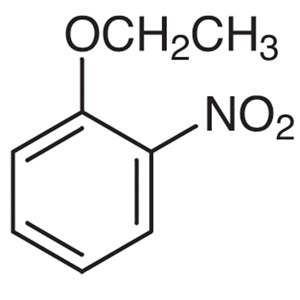
2-Nitrophenetole TCI N0489
Regular price Rp 2.041.200,00Regular priceRp 1.426.950,00Sale price Rp 2.041.200,00 -
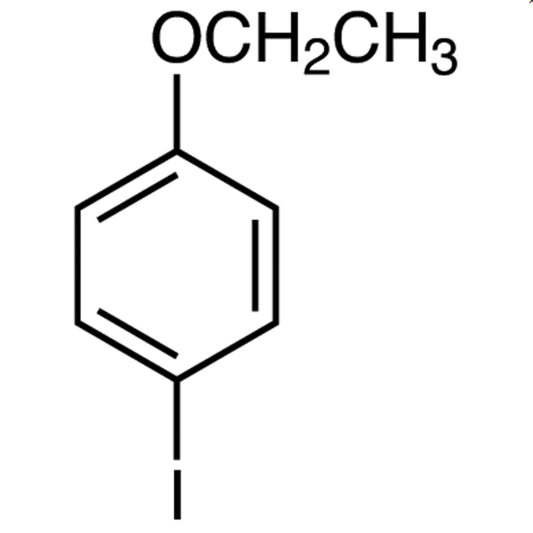
4-Iodophenetole TCI I0525
Regular price From Rp 689.850,00Regular priceRp 481.950,00Sale price From Rp 689.850,00 -
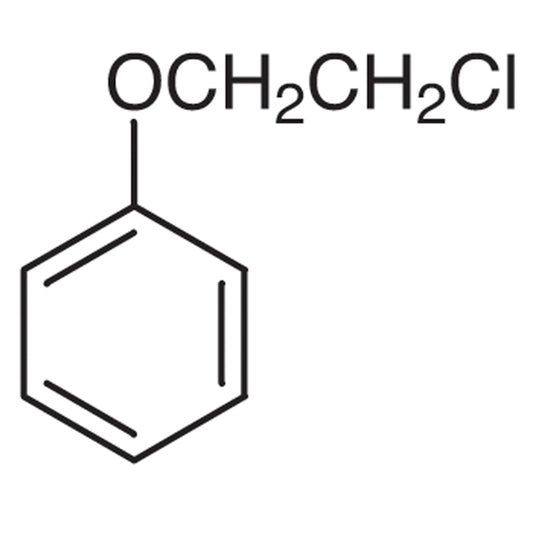
beta-Chlorophenetole TCI C0240
Regular price From Rp 1.193.850,00Regular priceRp 834.750,00Sale price From Rp 1.193.850,00 -
4-Chlorophenetole TCI C0239
Regular price Rp 1.618.050,00Regular priceRp 1.130.850,00Sale price Rp 1.618.050,00 -
2-Chlorophenetole TCI C0238
Regular price From Rp 2.625.000,00Regular priceRp 1.835.400,00Sale price From Rp 2.625.000,00 -
4-Ethylphenetole TCI E0435
Regular price Rp 2.782.500,00Regular priceRp 1.945.650,00Sale price Rp 2.782.500,00