1,8-Bis(dimethylamino)naphthalene is a chemical compound widely used in organic reactions, particularly in the synthesis of complex molecules. This material plays a crucial role in laboratory settings where the dehydrohalogenation process is required. It serves as a key reagent in the removal of halogen atoms, enabling the formation of aromatic compounds. Its unique structure and chemical properties make it an essential component in various synthetic pathways.
The compound is known for its stable aromatic structure and high reactivity under different chemical conditions. These properties make it a preferred choice for researchers seeking reliable and efficient reagents. Its ability to participate in multiple reaction types and produce consistent results enhances its utility in laboratory environments. The compound’s solubility in organic solvents further simplifies its application in diverse chemical processes.
In Indonesian laboratories, 1,8-Bis(dimethylamino)naphthalene is commonly used in academic and research institutions. Its role in dehydrohalogenation and molecular modification makes it a valuable tool for chemists. The compound’s reactivity and stability ensure that it meets the demands of high-precision experiments. Its widespread use highlights its importance in the field of organic chemistry within the Indonesian scientific community.
TCI brochures (PDF)
- MALDI Matrix 2025-01-17 · p. 1
- Suzuki-Miyaura Cross Coupling Reaction 2025-12-01 · p. 27
Related TCI products
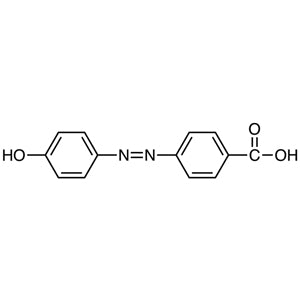
- TCI H1400 2497-38-3 4'-Hydroxyazobenzene-4-carboxylic Acid
- TCI D1950 39070-63-8 3,4-Diaminobenzophenone
- TCI N0807 71311-82-5 2-(4-Nitrophenoxy)naphthalene
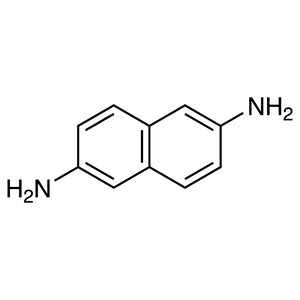
- TCI D6067 2243-67-6 Naphthalene-2,6-diamine
- TCI A5596 664985-43-7 DAABD-Cl [=4-[2-(Dimethylamino)ethylaminosulfonyl]-7-chloro-2,1,3-benzoxadiazole] [for Proteome Analysis]
- TCI T1888 480-66-0 2',4',6'-Trihydroxyacetophenone Monohydrate
- Dehydrohalogenation reactions benefit from this compound's ability to efficiently remove halogen atoms, facilitating the formation of aromatic structures with high yield.
- Molecular modification processes rely on its reactivity and stability, allowing for the synthesis of complex organic compounds with controlled structural changes.
- Organic synthesis applications utilize its aromatic structure and solubility, making it ideal for creating new compounds in research and development.
- Academic research in chemistry employs this compound for its consistent performance in various synthetic pathways, supporting educational and experimental studies.
- Industrial chemical processes use it for its versatility in reaction conditions, contributing to the production of specialized chemical products.
| Brand | TCI |
|---|---|
| CAS number | 20734-58-1 |
| Molecular formula | — |
| Purity | — |
| Category | Chemistry > Building Blocks > Non-Heterocyclic Building Blocks |
| Pack sizes | Available in standard laboratory quantities |
| Physical form | Solid |
| Storage | Store in a cool, dry place away from light and moisture |
This compound should be stored in a cool, dry place, away from direct light and moisture to maintain its chemical stability. It is recommended to use airtight containers to prevent exposure to air and humidity. Due to its reactivity, it should be handled in a well-ventilated area, with appropriate personal protective equipment such as gloves and safety goggles. Avoid contact with incompatible substances, and ensure proper disposal according to local regulations. Regular monitoring of storage conditions ensures the compound remains effective for laboratory use.
—
Product Categories
Produk Terkait
-
4'-Hydroxyazobenzene-4-carboxylicAcid TCI H1400
Regular price Rp 2.782.500,00Regular priceRp 1.945.650,00Sale price Rp 2.782.500,00 -
3,4-Diaminobenzophenone TCI D1950
Regular price Rp 2.837.100,00Regular priceRp 1.983.450,00Sale price Rp 2.837.100,00 -
2-(4-Nitrophenoxy)naphthalene TCI N0807
Regular price Rp 1.590.750,00Regular priceRp 1.111.950,00Sale price Rp 1.590.750,00 -
Naphthalene-2,6-diamine TCI D6067
Regular price Rp 4.001.550,00Regular priceRp 2.814.000,00Sale price Rp 4.001.550,00 -
DAABD-Cl[=4-[2-(Dimethylamino)ethylaminosulfonyl]-7-chloro-2,1,3-benzoxadiazole][forProteomeAnalysis] TCI A5596
Regular price Rp 5.672.100,00Regular priceRp 3.981.600,00Sale price Rp 5.672.100,00 -
2',4',6'-TrihydroxyacetophenoneMonohydrate TCI T1888
Regular price From Rp 1.246.350,00Regular priceRp 887.250,00Sale price From Rp 1.246.350,00 -
3-Hydroxy-4-nitrobenzoicAcid TCI H0635
Regular price Rp 1.856.400,00Regular priceRp 1.313.550,00Sale price Rp 1.856.400,00 -
trans-FerulicAcid TCI H0267
Regular price From Rp 1.934.100,00Regular priceRp 1.368.150,00Sale price From Rp 1.934.100,00