N,O-Bis(trifluoroacetyl)hydroxylamine is a specialized chemical compound used in various laboratory applications, particularly in the synthesis of fluorinated compounds. As a fluorinated building block, it plays a crucial role in organic chemistry by enabling the introduction of fluorine atoms into complex molecular structures. This compound is widely utilized in research settings where precise control over molecular functionality is required. Its unique chemical structure, featuring hydroxylamine groups attached to two trifluoroacetyl groups, makes it a versatile reagent for chemical transformations.
The compound’s reactivity and ability to participate in substitution and oxidation reactions make it a preferred choice for chemists working on fluorinated compound synthesis. Its chemical stability under controlled conditions allows for predictable outcomes in laboratory experiments, while its reactivity ensures it can be tailored to specific synthetic needs. These properties make it an essential tool in the development of pharmaceuticals, advanced materials, and other specialized chemical products.
In Indonesian laboratories, N,O-Bis(trifluoroacetyl)hydroxylamine is commonly used in scientific research across multiple disciplines, including pharmaceutical development, material science, and organic chemistry. Researchers rely on its unique reactivity and structural versatility to create novel compounds with specific functional properties. Its application in local laboratories underscores its importance in advancing chemical innovation and scientific discovery in the region.
Related TCI products
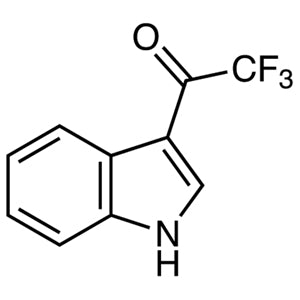
- TCI T1809 14618-45-2 3-(Trifluoroacetyl)indole
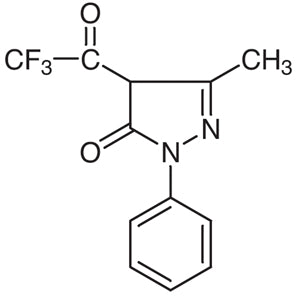
- TCI T1286 1691-93-6 4-Trifluoroacetyl-3-methyl-1-phenyl-5-pyrazolone
- TCI T1531 68602-57-3 Trifluoroacetyl Triflate [Powerful Trifluoroacetylating Reagent]
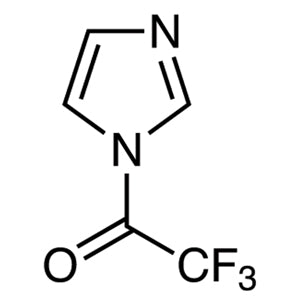
- TCI T0670 1546-79-8 1-(Trifluoroacetyl)imidazole
- TCI B4780 85006-25-3 N,O-Bis(tert-butoxycarbonyl)hydroxylamine
- TCI B4589 39684-28-1 O-(tert-Butyl)hydroxylamine Hydrochloride
- Fluorinated Compound Synthesis: This compound is ideal for creating fluorinated molecules due to its reactivity and structural versatility, enabling precise functional group modifications.
- Pharmaceutical Research: It is used in drug development to introduce fluorine atoms, which can enhance the stability and bioavailability of pharmaceutical compounds.
- Organic Chemistry Studies: Its ability to participate in substitution and oxidation reactions makes it valuable for synthesizing complex organic molecules with specific properties.
- Material Science Applications: It is employed in the development of advanced materials, where fluorine incorporation can improve thermal and chemical resistance.
- Analytical Chemistry: Its unique reactivity allows it to be used as a reagent in analytical procedures that require controlled chemical transformations.
| Brand | TCI |
|---|---|
| CAS number | 684-78-6 |
| Molecular formula | — |
| Purity | — |
| Category | Chemistry > Building Blocks > Fluorinated Building Blocks |
| Pack sizes | Available in standard laboratory quantities as specified by supplier |
| Physical form | Solid or liquid, depending on the specific formulation |
| Storage | Store in a cool, dry place away from moisture and direct sunlight |
This compound should be stored in a cool, dry environment to maintain its chemical stability. It is recommended to keep it in airtight containers to prevent exposure to moisture and air, which can affect its reactivity. Due to its chemical nature, it should be handled in a well-ventilated area, and appropriate personal protective equipment, such as gloves and safety goggles, should be worn. Avoid contact with incompatible substances, and ensure that storage areas are free from potential sources of ignition. Proper labeling and storage conditions are essential to ensure safe handling and long-term usability in laboratory settings.
—
Produk Terkait
-
3-(Trifluoroacetyl)indole TCI T1809
Regular price From Rp 1.378.650,00Regular priceRp 979.650,00Sale price From Rp 1.378.650,00 -
4-Trifluoroacetyl-3-methyl-1-phenyl-5-pyrazolone TCI T1286
Regular price Rp 2.782.500,00Regular priceRp 1.961.400,00Sale price Rp 2.782.500,00 -
TrifluoroacetylTriflate[PowerfulTrifluoroacetylatingReagent] TCI T1531
Regular price Rp 3.843.000,00Regular priceRp 2.702.700,00Sale price Rp 3.843.000,00 -
1-(Trifluoroacetyl)imidazole TCI T0670
Regular price From Rp 1.351.350,00Regular priceRp 960.750,00Sale price From Rp 1.351.350,00 -
N,O-Bis(tert-butoxycarbonyl)hydroxylamine TCI B4780
Regular price From Rp 1.431.150,00Regular priceRp 1.016.400,00Sale price From Rp 1.431.150,00 -
O-(tert-Butyl)hydroxylamineHydrochloride TCI B4589
Regular price From Rp 2.650.200,00Regular priceRp 1.869.000,00Sale price From Rp 2.650.200,00 -
N-(tert-Butyl)hydroxylamineHydrochloride TCI B1700
Regular price From Rp 1.378.650,00Regular priceRp 979.650,00Sale price From Rp 1.378.650,00 -
HydroxylamineHydrochloride TCI H1581
Regular price From Rp 477.750,00Regular priceRp 333.900,00Sale price From Rp 477.750,00