1-Bromo-2-methoxymethylnaphthalene is a chemical compound widely used as a foundational building block in the synthesis of complex organic molecules. This compound plays a crucial role in laboratory settings, particularly in the development of new chemical structures and pharmaceutical compounds. Its versatility makes it an essential tool for chemists engaged in research and development, enabling the creation of a wide range of functional derivatives through various chemical reactions. Due to its structural stability and predictable reactivity, it is frequently employed in synthetic pathways where precise control over molecular structure is required.
The compound’s unique chemical structure, featuring a naphthalene core modified with bromo and methoxymethyl groups, contributes to its reactivity and utility. These functional groups provide multiple sites for chemical modification, making it suitable for a variety of synthetic strategies. Its controlled reactivity allows chemists to selectively introduce new functionalities, enhancing the efficiency of synthesis processes. This makes it an ideal choice for applications requiring high specificity and reproducibility in laboratory experiments.
In Indonesian laboratories, 1-Bromo-2-methoxymethylnaphthalene is commonly used in organic chemistry research, especially in the synthesis of complex molecules and drug development. Its application extends to academic and industrial research, where it supports the creation of new compounds with potential therapeutic applications. The compound’s reliability and effectiveness have made it a preferred material among researchers working on advanced chemical projects.
Related TCI products
- TCI B1530 6770-38-3 1,4-Bis(methoxymethyl)benzene
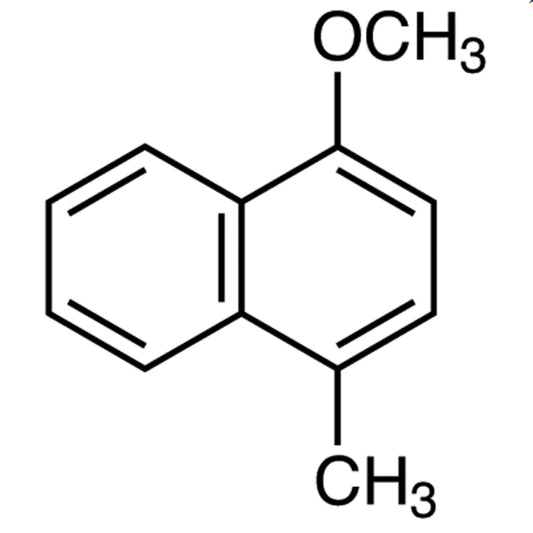
- TCI M2930 24821-54-3 1-Methoxy-4-methylnaphthalene
- TCI B6376 539-30-0 (Ethoxymethyl)benzene
- TCI B6223 182121-12-6 9,9-Bis(methoxymethyl)-9H-fluorene
- TCI E1028 13184-86-6 4-(Ethoxymethyl)-2-methoxyphenol
- TCI M3066 5779-98-6 4-Methoxy-3-(methoxymethoxy)benzaldehyde
- Organic synthesis of complex molecules where controlled substitution and functional group introduction are required.
- Development of pharmaceutical compounds through selective chemical modifications and reaction pathways.
- Research in heterocyclic compound synthesis, leveraging the compound’s reactivity and structural versatility.
- Experimental studies involving nucleophilic and electrophilic reactions due to its stable yet reactive nature.
- Industrial applications in chemical manufacturing processes requiring high-purity and consistent chemical intermediates.
| Brand | TCI |
|---|---|
| CAS number | 64689-70-9 |
| Molecular formula | — |
| Purity | — |
| Category | Chemistry > Building Blocks > Non-Heterocyclic Building Blocks |
| Pack sizes | Available in standard laboratory quantities as per supplier specifications |
| Physical form | Liquid or solid, depending on supplier packaging |
| Storage | Store in a cool, dry place away from light and incompatible substances |
This compound should be stored in a cool, dry environment, away from direct sunlight and sources of heat. It is recommended to use sealed containers made of materials that are chemically inert to prevent degradation or contamination. Due to its chemical nature, it should be kept separate from strong oxidizing agents and reactive metals. Proper ventilation is essential when handling the compound to minimize exposure. Always use appropriate personal protective equipment, such as gloves and safety goggles, to ensure safe handling. Regular monitoring of storage conditions is advised to maintain the compound’s integrity and ensure its suitability for laboratory use.
—
Produk Terkait
-
1,4-Bis(methoxymethyl)benzene TCI B1530
Regular price From Rp 928.200,00Regular price -
1-Methoxy-4-methylnaphthalene TCI M2930
Regular price Rp 955.500,00Regular priceRp 667.800,00Sale price Rp 955.500,00 -
(Ethoxymethyl)benzene TCI B6376
Regular price From Rp 1.696.800,00Regular price -
9,9-Bis(methoxymethyl)-9H-fluorene TCI B6223
Regular price From Rp 1.353.450,00Regular price -
4-(Ethoxymethyl)-2-methoxyphenol TCI E1028
Regular price Rp 2.916.900,00Regular price -
4-Methoxy-3-(methoxymethoxy)benzaldehyde TCI M3066
Regular price Rp 3.976.350,00Regular priceRp 2.780.400,00Sale price Rp 3.976.350,00 -
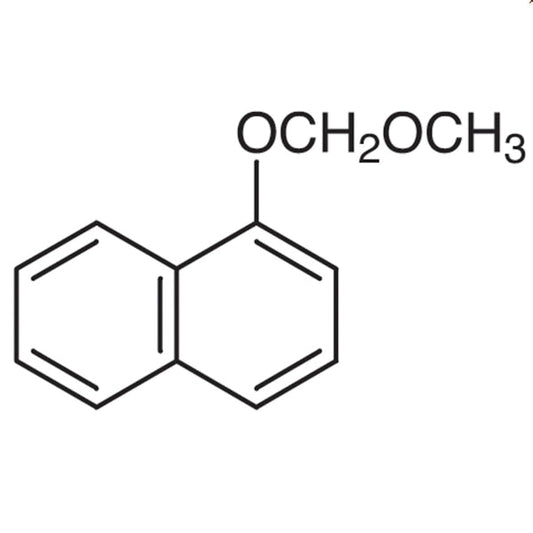
1-(Methoxymethoxy)naphthalene TCI M1454
Regular price Rp 2.625.000,00Regular priceRp 1.835.400,00Sale price Rp 2.625.000,00 -
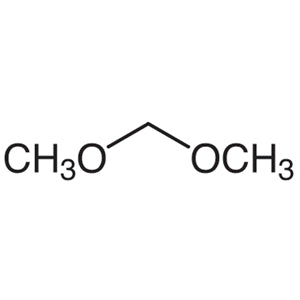
Dimethoxymethane TCI D0637
Regular price From Rp 505.050,00Regular price