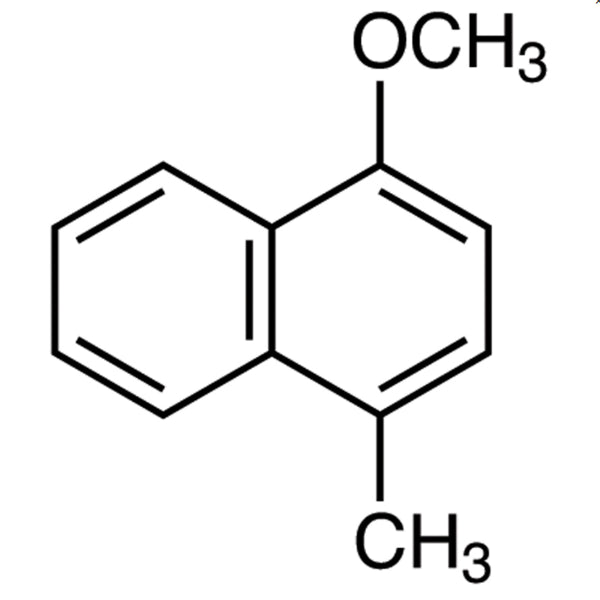
1-Methoxy-4-methylnaphthalene is a chemical compound widely used in organic reactions as a building block for synthetic processes. It serves as a versatile intermediate in the development of complex organic molecules, making it essential in both academic and industrial research settings. Its unique molecular structure, featuring a naphthalene core with methoxy and methyl substituents, allows for a range of chemical transformations. This compound is particularly valuable in laboratories where precise control over reaction conditions is required to achieve desired outcomes.
The compound’s stability and controlled reactivity make it a preferred choice for researchers seeking reliable and predictable chemical behavior. Its ability to undergo substitution and electrophilic reactions enables it to participate in various synthetic pathways, including Friedel-Crafts, substitution, and oxidation reactions. These properties are critical for the synthesis of pharmaceuticals, dyes, and other specialty chemicals. Its high purity and consistent chemical properties ensure reproducibility in experiments, which is vital for scientific accuracy.
In Indonesian laboratories, 1-Methoxy-4-methylnaphthalene is commonly used in organic chemistry research, particularly in universities and research institutions focused on the synthesis of new compounds. Its role in facilitating complex molecular structures makes it a key component in the development of advanced chemical products. Researchers in Indonesia rely on this compound for its reliability and adaptability in a wide range of chemical applications.
Related TCI products
- TCI B1170 64689-70-9 1-Bromo-2-methoxymethylnaphthalene
- TCI B4723 115929-59-4 2-Bromo-4-methoxy-6-nitrophenol
- TCI B4539 173336-76-0 4-Bromo-1-methoxy-2-(3-methoxypropoxy)benzene
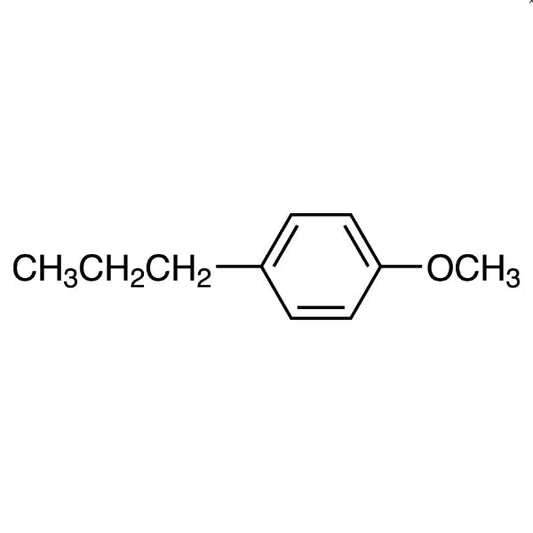
- TCI P3068 104-45-0 1-Methoxy-4-propylbenzene
- TCI M3747 15969-08-1 2-Methoxy-6-nitrophenol
- TCI M3600 7786-61-0 2-Methoxy-4-vinylphenol (stabilized with TBC)
- Organic synthesis applications benefit from this compound's ability to undergo various chemical transformations, making it ideal for creating complex molecular structures.
- Pharmaceutical research utilizes this material due to its reactivity and stability, supporting the development of new drug compounds.
- Dye and pigment synthesis relies on its unique molecular structure, enabling the creation of specialized colorants with desired properties.
- Analytical chemistry applications benefit from its consistent chemical properties, ensuring accurate and reproducible results in testing procedures.
- Polymer chemistry research uses this compound as a building block for synthesizing advanced materials with tailored properties.
| Brand | TCI |
|---|---|
| CAS number | 24821-54-3 |
| Molecular formula | — |
| Purity | — |
| Category | Chemistry > Building Blocks > Non-Heterocyclic Building Blocks |
| Pack sizes | Available in various quantities as per supplier specifications |
| Physical form | Solid |
| Storage | Store in a cool, dry place away from light and incompatible substances |
This compound should be stored in a cool, dry environment, away from direct sunlight and sources of heat. It is recommended to use airtight containers made of materials that are chemically inert to prevent degradation. Due to its chemical nature, it should be kept away from incompatible substances such as strong oxidizers or acids. Proper ventilation is essential when handling this material to minimize exposure risks. Laboratory personnel should wear appropriate personal protective equipment, including gloves and safety goggles, to ensure safe handling. Regular monitoring of storage conditions is advised to maintain the compound's integrity and ensure its continued usability in research applications.
—
Produk Terkait
-
1-Bromo-2-methoxymethylnaphthalene TCI B1170
Regular price From Rp 3.021.900,00Regular price -
2-Bromo-4-methoxy-6-nitrophenol TCI B4723
Regular price From Rp 505.050,00Regular price -
4-Bromo-1-methoxy-2-(3-methoxypropoxy)benzene TCI B4539
Regular price From Rp 848.400,00Regular price -
1-Methoxy-4-propylbenzene TCI P3068
Regular price Rp 1.829.100,00Regular price -
2-Methoxy-6-nitrophenol TCI M3747
Regular price From Rp 2.889.600,00Regular price -
2-Methoxy-4-vinylphenol(stabilizedwithTBC) TCI M3600
Regular price From Rp 2.862.300,00Regular price -
1-Methoxy-4-phenoxybenzene TCI M3535
Regular price From Rp 2.279.550,00Regular price -
2-Methoxy-6-methylphenol TCI M3471
Regular price From Rp 903.000,00Regular price