4-Bromo-1-methoxy-2-(3-methoxypropoxy)benzene is a complex organic compound widely used as a building block in chemical synthesis. This versatile compound serves as a key intermediate in the development of various organic molecules, including pharmaceuticals, polymers, and industrial chemicals. Its presence in laboratory settings enables chemists to create compounds with specific functional groups and molecular structures. Due to its multifunctional nature, it is a valuable tool for researchers aiming to explore new chemical pathways and functional modifications.
The compound's unique structure, featuring bromo, methoxy, and propoxy groups, makes it highly reactive and suitable for a range of chemical reactions. These substituents provide multiple sites for nucleophilic and electrophilic attacks, allowing for diverse synthetic transformations. Its reactivity and structural complexity make it a preferred choice for organic chemists seeking to design and synthesize complex molecules. The presence of multiple functional groups also enhances its utility in molecular modification and compound development.
In Indonesian laboratories, this compound is commonly used by chemists, pharmacologists, and researchers working on the synthesis of new compounds. It is particularly relevant in projects focused on drug development, polymer synthesis, and organic chemical research. Its application extends to academic and industrial research, supporting innovation in chemical sciences. The compound's versatility and reactivity make it an essential component in modern chemical laboratories across Indonesia.
Related TCI products
- TCI M3152 81936-32-5 1-Methoxy-4-(trans-4-propylcyclohexyl)benzene
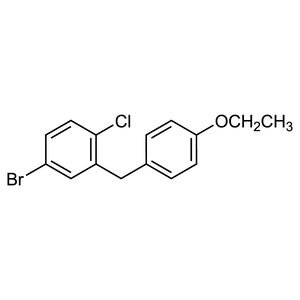
- TCI B7018 461432-23-5 4-Bromo-1-chloro-2-(4-ethoxybenzyl)benzene
- TCI B5602 654065-52-8 5-Bromo-1,2,3-tris(dodecyloxy)benzene
- TCI B4723 115929-59-4 2-Bromo-4-methoxy-6-nitrophenol
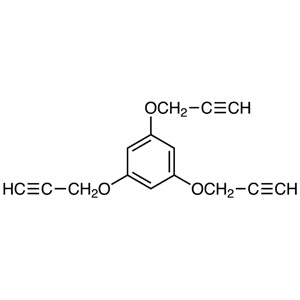
- TCI T3135 114233-80-6 1,3,5-Tris(2-propynyloxy)benzene
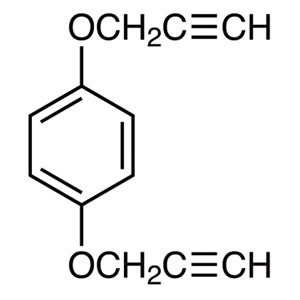
- TCI B4607 34596-36-6 1,4-Bis(2-propynyloxy)benzene
- Organic synthesis projects benefit from this compound due to its multiple reactive functional groups, enabling diverse chemical transformations and compound modifications.
- Pharmaceutical research utilizes this compound as a building block for the development of new drugs, leveraging its bromo and methoxy groups for targeted molecular design.
- Polymer chemistry applications take advantage of its methoxy and propoxy substituents, which can be modified to create various polymer structures with specific properties.
- Industrial chemical development relies on this compound for the synthesis of specialty chemicals, offering a foundation for creating complex molecular structures.
- Academic research in chemical sciences uses this compound to explore new synthetic methodologies and functional group reactivity in organic chemistry.
| Brand | TCI |
|---|---|
| CAS number | 173336-76-0 |
| Molecular formula | — |
| Purity | — |
| Category | Chemistry > Building Blocks > Non-Heterocyclic Building Blocks |
| Pack sizes | Available in various quantities as per supplier specifications |
| Physical form | Liquid or solid, depending on the specific product variant |
| Storage | Store in a cool, dry place away from light and incompatible materials |
This compound should be stored in a cool, dry environment, away from direct sunlight and sources of heat. It is recommended to use airtight containers made of materials such as glass or high-density polyethylene to prevent contamination and maintain stability. Due to its reactivity, it should be kept separate from strong oxidizing agents and incompatible substances. Proper labeling and storage conditions are essential to ensure safety in the laboratory. Always follow standard chemical handling protocols, and ensure adequate ventilation when working with this compound to minimize exposure risks.
—
Produk Terkait
-
1-Methoxy-4-(trans-4-propylcyclohexyl)benzene TCI M3152
Regular price From Rp 689.850,00Regular priceRp 481.950,00Sale price From Rp 689.850,00 -
4-Bromo-1-chloro-2-(4-ethoxybenzyl)benzene TCI B7018
Regular price From Rp 980.700,00Regular priceRp 685.650,00Sale price From Rp 980.700,00 -
5-Bromo-1,2,3-tris(dodecyloxy)benzene TCI B5602
Regular price From Rp 1.988.700,00Regular priceRp 1.390.200,00Sale price From Rp 1.988.700,00 -
2-Bromo-4-methoxy-6-nitrophenol TCI B4723
Regular price From Rp 557.550,00Regular priceRp 405.300,00Sale price From Rp 557.550,00 -
1,3,5-Tris(2-propynyloxy)benzene TCI T3135
Regular price From Rp 4.056.150,00Regular priceRp 2.836.050,00Sale price From Rp 4.056.150,00 -
1,4-Bis(2-propynyloxy)benzene TCI B4607
Regular price From Rp 2.597.700,00Regular priceRp 1.816.500,00Sale price From Rp 2.597.700,00 -
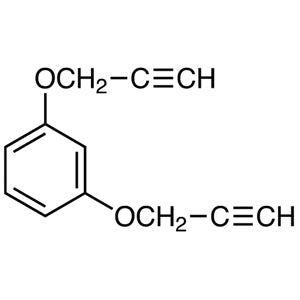
1,3-Bis(2-propynyloxy)benzene TCI B4521
Regular price From Rp 2.332.050,00Regular priceRp 1.630.650,00Sale price From Rp 2.332.050,00 -
1,4-Bis(10-undecenyloxy)benzene TCI B3575
Regular price Rp 3.180.450,00Regular priceRp 2.223.900,00Sale price Rp 3.180.450,00