1,4-Bis(10-undecenyloxy)benzene is a chemical compound widely used as a building block in the synthesis of complex molecules. It plays a crucial role in organic chemistry by serving as a foundational component for constructing larger molecular structures. This compound is particularly valuable in laboratory settings where the creation of aromatic compounds with long alkyl chains is required. Its versatility makes it a key reagent in various synthetic pathways, supporting the development of new materials and pharmaceutical compounds.
The compound’s stable aromatic structure and the presence of long alkyl chains make it a preferred choice for chemical synthesis. These properties allow for easy modification through various chemical reactions, enabling the design of molecules with specific functional properties. Its consistent chemical behavior and clear molecular structure also facilitate accurate identification and application in experimental processes. These characteristics ensure its reliability in both research and industrial applications.
In Indonesian laboratories, 1,4-Bis(10-undecenyloxy)benzene is commonly used in organic chemistry, pharmaceutical research, and material science. It supports the development of new compounds and the refinement of existing synthesis methods. Its availability in the local market ensures that researchers can access this essential reagent for their experiments and projects. Its role in advancing scientific research is significant, particularly in institutions focused on innovation and discovery.
Related TCI products
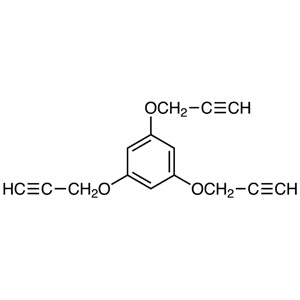
- TCI T3135 114233-80-6 1,3,5-Tris(2-propynyloxy)benzene
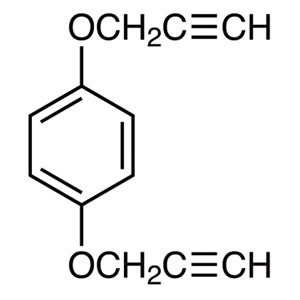
- TCI B4607 34596-36-6 1,4-Bis(2-propynyloxy)benzene
- TCI B4539 173336-76-0 4-Bromo-1-methoxy-2-(3-methoxypropoxy)benzene
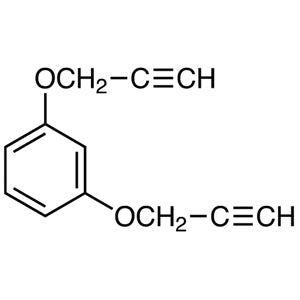
- TCI B4521 26627-36-1 1,3-Bis(2-propynyloxy)benzene
- TCI B3436 676465-94-4 1,3-Bis(3-hydroxy-3-pentyl)benzene
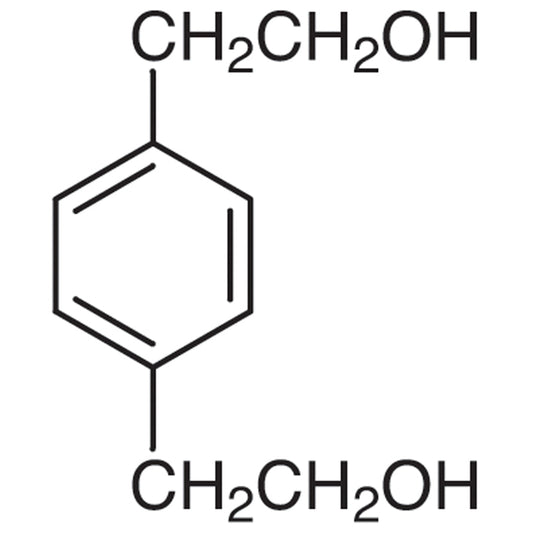
- TCI B2295 5140-03-4 1,4-Bis(2-hydroxyethyl)benzene
- Organic synthesis applications benefit from this compound’s stable aromatic structure and modifiable alkyl chains, enabling the creation of complex molecules with tailored properties.
- Pharmaceutical research utilizes its structural versatility to design new drug compounds with specific reactivity and solubility characteristics.
- Material science experiments leverage its long alkyl chains to develop polymers and coatings with enhanced physical and chemical properties.
- Academic research institutions use it as a fundamental building block for teaching and experimental purposes in synthetic chemistry courses.
- Industrial R&D teams incorporate it into the development of advanced materials and specialty chemicals requiring precise molecular design.
| Brand | TCI |
|---|---|
| CAS number | 138551-10-7 |
| Molecular formula | — |
| Purity | — |
| Category | Chemistry > Building Blocks > Non-Heterocyclic Building Blocks |
| Pack sizes | Available in various quantities as per standard laboratory supply formats |
| Physical form | Solid or liquid, depending on specific product formulation |
| Storage | Store in a cool, dry place away from direct sunlight and moisture |
This compound should be stored in a cool, dry environment to maintain its chemical stability. It is recommended to keep it in airtight containers to prevent exposure to moisture and air, which could affect its integrity. Laboratory personnel should handle the compound with appropriate personal protective equipment, including gloves and safety goggles, to ensure safety during use. It should be stored away from incompatible substances such as strong oxidizers or acids. Proper labeling of storage containers is essential for safe handling and easy identification. Regular inspection of storage conditions is advised to ensure the compound remains in optimal condition for laboratory use.
—
Produk Terkait
-
1,3,5-Tris(2-propynyloxy)benzene TCI T3135
Regular price From Rp 4.056.150,00Regular priceRp 2.836.050,00Sale price From Rp 4.056.150,00 -
1,4-Bis(2-propynyloxy)benzene TCI B4607
Regular price From Rp 2.597.700,00Regular priceRp 1.816.500,00Sale price From Rp 2.597.700,00 -
4-Bromo-1-methoxy-2-(3-methoxypropoxy)benzene TCI B4539
Regular price From Rp 848.400,00Regular priceRp 593.250,00Sale price From Rp 848.400,00 -
1,3-Bis(2-propynyloxy)benzene TCI B4521
Regular price From Rp 2.332.050,00Regular priceRp 1.630.650,00Sale price From Rp 2.332.050,00 -
1,3-Bis(3-hydroxy-3-pentyl)benzene TCI B3436
Regular price From Rp 3.763.200,00Regular priceRp 2.631.300,00Sale price From Rp 3.763.200,00 -
1,4-Bis(2-hydroxyethyl)benzene TCI B2295
Regular price Rp 10.865.400,00Regular priceRp 7.597.800,00Sale price Rp 10.865.400,00 -
1,3-Bis(2-hydroxyethoxy)benzene TCI B1625
Regular price From Rp 1.378.650,00Regular priceRp 979.650,00Sale price From Rp 1.378.650,00 -
1,4-Bis(methoxymethyl)benzene TCI B1530
Regular price From Rp 928.200,00Regular priceRp 648.900,00Sale price From Rp 928.200,00