1,3-Bis(3-hydroxy-3-pentyl)benzene is a chemical compound widely used as a building block in the synthesis of complex organic molecules. Its unique molecular structure features two hydroxyl groups attached to pentyl chains, making it a versatile intermediate in various chemical processes. In laboratory settings, this compound plays a crucial role in the development of new materials and the exploration of chemical reactivity. It is particularly valuable for researchers aiming to create compounds with specific functional groups or structural characteristics.
This compound is preferred due to its chemical stability under controlled conditions and its high reactivity in substitution and oxidation reactions. These properties make it ideal for applications requiring precise chemical transformations. Its ability to participate in multiple reaction pathways allows chemists to tailor its behavior for specific synthetic goals. The compound’s reactivity and structural complexity also make it a valuable tool in the study of reaction mechanisms and molecular design.
In Indonesian laboratories, 1,3-Bis(3-hydroxy-3-pentyl)benzene is commonly used in organic chemistry research, especially in projects focused on the synthesis of complex molecules and the development of new chemical materials. Its use is prevalent in academic and industrial research settings where chemical innovation and precision are essential. Researchers rely on its predictable reactivity and structural versatility to advance their work in chemical synthesis and material science.
Related TCI products
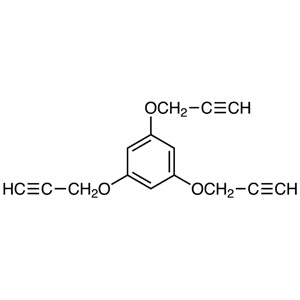
- TCI T3135 114233-80-6 1,3,5-Tris(2-propynyloxy)benzene
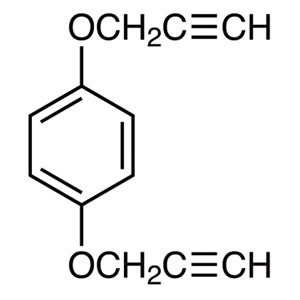
- TCI B4607 34596-36-6 1,4-Bis(2-propynyloxy)benzene
- TCI B4539 173336-76-0 4-Bromo-1-methoxy-2-(3-methoxypropoxy)benzene
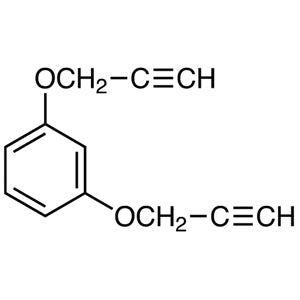
- TCI B4521 26627-36-1 1,3-Bis(2-propynyloxy)benzene
- TCI B3575 138551-10-7 1,4-Bis(10-undecenyloxy)benzene
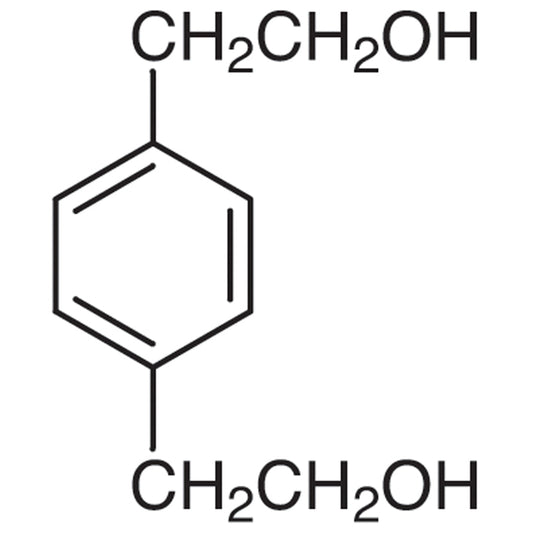
- TCI B2295 5140-03-4 1,4-Bis(2-hydroxyethyl)benzene
- Organic synthesis projects benefit from this compound due to its reactivity and structural versatility, enabling the creation of complex molecules with specific functional groups.
- Material development research utilizes this compound for designing new polymers and chemical compounds with tailored properties.
- Chemical reaction mechanism studies leverage its reactivity to explore substitution and oxidation pathways in controlled environments.
- Pharmaceutical research may incorporate this compound as a building block for the synthesis of bioactive compounds and drug candidates.
- Industrial chemical innovation uses this compound to develop advanced materials and specialty chemicals for various applications.
| Brand | TCI |
|---|---|
| CAS number | 676465-94-4 |
| Molecular formula | — |
| Purity | — |
| Category | Chemistry > Building Blocks > Non-Heterocyclic Building Blocks |
| Pack sizes | Available in various quantities as per standard laboratory supply options |
| Physical form | Liquid |
| Storage | Store in a cool, dry place away from direct sunlight and incompatible materials |
This compound should be stored in a cool, dry environment, away from direct sunlight and sources of heat. It is recommended to use sealed containers made of materials compatible with organic solvents to prevent contamination and evaporation. Due to its reactivity, it should be handled in a well-ventilated area, preferably under a fume hood, to minimize exposure. Proper personal protective equipment, including gloves and safety goggles, should be worn during handling. Avoid contact with incompatible substances such as strong oxidizing agents. Regular monitoring of storage conditions ensures the compound remains stable and suitable for use in laboratory applications.
—
Produk Terkait
-
1,3,5-Tris(2-propynyloxy)benzene TCI T3135
Regular price From Rp 4.056.150,00Regular priceRp 2.836.050,00Sale price From Rp 4.056.150,00 -
1,4-Bis(2-propynyloxy)benzene TCI B4607
Regular price From Rp 2.597.700,00Regular priceRp 1.816.500,00Sale price From Rp 2.597.700,00 -
4-Bromo-1-methoxy-2-(3-methoxypropoxy)benzene TCI B4539
Regular price From Rp 848.400,00Regular priceRp 593.250,00Sale price From Rp 848.400,00 -
1,3-Bis(2-propynyloxy)benzene TCI B4521
Regular price From Rp 2.332.050,00Regular priceRp 1.630.650,00Sale price From Rp 2.332.050,00 -
1,4-Bis(10-undecenyloxy)benzene TCI B3575
Regular price Rp 3.180.450,00Regular priceRp 2.223.900,00Sale price Rp 3.180.450,00 -
1,4-Bis(2-hydroxyethyl)benzene TCI B2295
Regular price Rp 10.865.400,00Regular priceRp 7.597.800,00Sale price Rp 10.865.400,00 -
1,3-Bis(2-hydroxyethoxy)benzene TCI B1625
Regular price From Rp 1.378.650,00Regular priceRp 979.650,00Sale price From Rp 1.378.650,00 -
1,4-Bis(methoxymethyl)benzene TCI B1530
Regular price From Rp 928.200,00Regular priceRp 648.900,00Sale price From Rp 928.200,00