
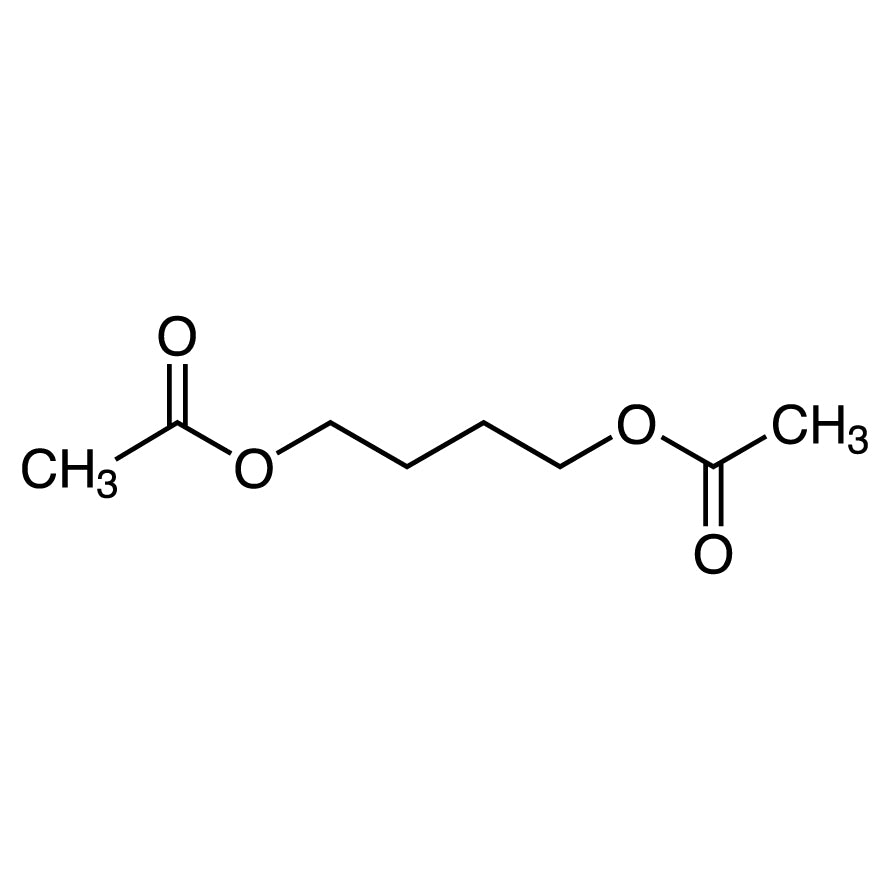
1,4-Diacetoxybutane is a chemical compound widely used as a building block in the synthesis of complex organic compounds. It serves as a versatile intermediate in various chemical reactions, particularly those involving acetyl groups. In the laboratory, this compound plays a crucial role in the development of heterocyclic and structurally complex molecules. Its stability and controlled reactivity make it a reliable choice for researchers working in organic chemistry. The molecule's simple structure enables it to participate in multiple reaction types, including nucleophilic substitution and elimination reactions.
The compound's key properties include its stability under standard laboratory conditions and its ability to undergo controlled chemical transformations. These characteristics make it a preferred choice for synthetic chemists aiming to modify carbon chains or introduce functional groups. The presence of two acetyl groups on either end of the butane chain allows for a wide range of chemical modifications. This versatility supports its use in various synthetic pathways, making it an essential reagent in organic synthesis.
In Indonesian laboratories, 1,4-Diacetoxybutane is commonly used in organic chemistry research, particularly in academic and research institutions. It is frequently employed in the development of new chemical compounds and the study of reaction mechanisms. Its availability and reliability make it a standard component in many laboratory workflows, supporting both teaching and research activities in the field of organic chemistry.
Related TCI products
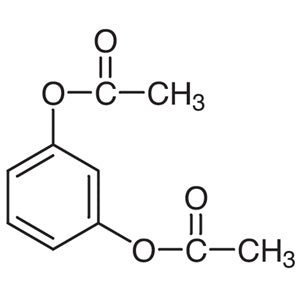
- TCI R0046 108-58-7 1,3-Diacetoxybenzene
- TCI D2044 635-67-6 1,2-Diacetoxybenzene
- TCI D2042 67727-64-4 3,4-Diacetoxybenzaldehyde
- TCI D1803 1205-91-0 1,4-Diacetoxybenzene
- TCI A0831 27846-49-7 Ethyl DL-3-Acetoxybutyrate
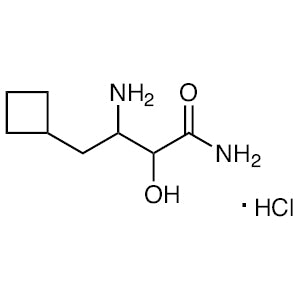
- TCI A3314 394735-23-0 3-Amino-4-cyclobutyl-2-hydroxybutanamide Hydrochloride (mixture of diastereoisomers)
- Organic synthesis of heterocyclic compounds due to its acetyl groups and structural versatility.
- Facilitation of nucleophilic substitution reactions by acting as a reactive intermediate.
- Support for carbon chain modification in the synthesis of complex organic molecules.
- Use in elimination reactions where controlled reactivity is essential for product formation.
- Application in reduction reactions to introduce functional groups into molecular structures.
| Brand | TCI |
|---|---|
| CAS number | 628-67-1 |
| Molecular formula | — |
| Purity | — |
| Category | Chemistry > Building Blocks > Non-Heterocyclic Building Blocks |
| Pack sizes | Available in various quantities as per standard laboratory supply |
| Physical form | Liquid |
| Storage | Store in a cool, dry place away from direct sunlight |
1,4-Diacetoxybutane should be stored in a cool, dry place, away from direct sunlight and sources of heat. It is recommended to keep the compound in a sealed container to prevent evaporation and contamination. Due to its chemical nature, it should be handled in a well-ventilated area to minimize exposure. Suitable containers for storage include glass or high-density polyethylene bottles. General laboratory precautions include wearing appropriate personal protective equipment, such as gloves and goggles, when handling the compound. It is important to ensure that the compound is not stored near incompatible materials to maintain safety in the laboratory environment.
—
Produk Terkait
-
1,3-Diacetoxybenzene TCI R0046
Regular price From Rp 780.000,00Regular priceRp 530.000,00Sale price From Rp 780.000,00 -
1,2-Diacetoxybenzene TCI D2044
Regular price Rp 3.528.000,00Regular priceRp 2.401.000,00Sale price Rp 3.528.000,00 -
3,4-Diacetoxybenzaldehyde TCI D2042
Regular price From Rp 2.413.000,00Regular priceRp 1.642.000,00Sale price From Rp 2.413.000,00 -
1,4-Diacetoxybenzene TCI D1803
Regular price From Rp 1.013.000,00Regular priceRp 689.000,00Sale price From Rp 1.013.000,00 -
EthylDL-3-Acetoxybutyrate TCI A0831
Regular price From Rp 1.140.000,00Regular priceRp 792.000,00Sale price From Rp 1.140.000,00 -
3-Amino-4-cyclobutyl-2-hydroxybutanamideHydrochloride(mixtureofdiastereoisomers) TCI A3314
Regular price From Rp 984.000,00Regular priceRp 686.000,00Sale price From Rp 984.000,00 -
3-Acetoxybenzaldehyde TCI A2467
Regular price Rp 4.125.000,00Regular priceRp 2.806.000,00Sale price Rp 4.125.000,00 -
4-Acetoxybenzaldehyde TCI A1467
Regular price From Rp 520.000,00Regular priceRp 353.000,00Sale price From Rp 520.000,00