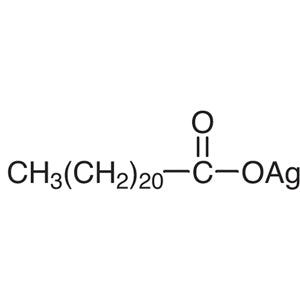
Methyl Behenate is a chemical compound widely utilized in chemical and biochemical experiments. As a member of the lipid category, it serves as a valuable reagent or auxiliary material in laboratory settings. Its role extends to supporting research on molecular structures, physical properties, and the reactivity of organic compounds. In the laboratory, Methyl Behenate is frequently employed in the synthesis of complex compounds and the analysis of lipid components in various biological samples. Its presence enhances the accuracy and reliability of experimental outcomes in both academic and industrial research environments.
One of the key attributes that make Methyl Behenate a preferred choice is its chemical stability and solubility in organic solvents. These properties simplify processing and application in diverse experimental setups. The compound's stability ensures consistent performance across multiple uses, while its solubility allows for easy integration into different reaction systems. Additionally, Methyl Behenate's molecular structure is well-defined, enabling it to be characterized using advanced analytical techniques such as spectroscopy and chromatography. This makes it an essential tool for researchers requiring precise and reliable data.
In Indonesian laboratories, Methyl Behenate is commonly used in life sciences, pharmaceutical, and analytical chemistry research. It supports studies related to drug development, biological component analysis, and lipid-related investigations. Its versatility and reliability make it a go-to material for scientists working on a wide range of experimental projects, contributing to the advancement of scientific knowledge and innovation.
TCI brochures (PDF)
- Lipids 2025-12-17 · p. 9
Related TCI products
- In life sciences research, Methyl Behenate is used to study molecular structures and lipid behavior in biological systems.
- It is ideal for pharmaceutical applications where lipid-based formulations and compound synthesis are required.
- In analytical chemistry, it aids in the characterization of lipid components through chromatographic and spectroscopic methods.
- Methyl Behenate supports lipidomics studies by providing a stable reference material for complex biological samples.
- It is frequently employed in the development of drug delivery systems due to its compatibility with organic solvents and structural versatility.
| Brand | TCI |
|---|---|
| CAS number | 929-77-1 |
| Molecular formula | — |
| Purity | — |
| Category | Life Science > Biochemicals and Reagents > Lipids |
| Pack sizes | Available in various quantities as per standard laboratory requirements |
| Physical form | Solid (may vary based on supplier packaging) |
| Storage | Store in a cool, dry place away from light and moisture |
Methyl Behenate should be stored in a cool, dry environment, away from direct sunlight and moisture to maintain its chemical stability. It is recommended to use airtight containers made of glass or high-density polyethylene to prevent contamination and degradation. Due to its solubility in organic solvents, it should be handled in a well-ventilated area to avoid exposure to vapors. Laboratory personnel should wear appropriate personal protective equipment, such as gloves and safety goggles, when handling the compound. Proper labeling of containers is essential for safe storage and easy identification. Regular checks on storage conditions ensure the compound remains in optimal condition for use in experiments.
—
Product Categories
Produk Terkait
-
MethylBehenate TCI B1748
Regular price Rp 5.432.700,00Regular priceRp 3.814.650,00Sale price Rp 5.432.700,00 -
SilverBehenate TCI B0398
Regular price From Rp 2.782.500,00Regular priceRp 1.945.650,00Sale price From Rp 2.782.500,00