Silver Behenate, with CAS number 2489-05-6, is a chemical compound widely used in various chemical reactions and organic synthesis processes. It serves as a versatile reagent in laboratory settings, particularly in reduction reactions, precipitation processes, and the formation of metal-containing organic compounds. Its unique molecular structure enables it to act as a valuable building block in the synthesis of more complex chemical structures. This compound is especially favored for its stability and controlled reactivity, making it an essential tool in both academic and industrial research environments.
One of the key reasons Silver Behenate is preferred is its chemical inertness towards common laboratory materials, which simplifies handling and storage. Its low solubility in water further reduces the risk of unwanted reactions or contamination. These properties make it a reliable and safe choice for researchers who require consistent performance and minimal complications during experiments. Its solid form also facilitates easy handling and use across different experimental scales, from small-scale research to larger industrial applications.
In Indonesian laboratories, Silver Behenate is extensively utilized in chemical research, particularly in pharmaceutical, material science, and analytical chemistry fields. Its role in facilitating controlled chemical reactions and its stability under various conditions make it a preferred reagent for both academic and applied research. Its widespread use underscores its importance in maintaining the quality and reproducibility of experimental outcomes.
Related TCI products
- Organic synthesis reactions where controlled reactivity and stability are essential for forming complex molecular structures.
- Precipitation processes in analytical chemistry to isolate and identify specific compounds through controlled chemical interactions.
- Reduction reactions in pharmaceutical research, where Silver Behenate helps in the synthesis of active pharmaceutical ingredients.
- Metal-containing compound formation in material science, supporting the development of new materials with specific chemical properties.
- Research in analytical chemistry for its low reactivity and minimal risk of interfering with other reagents during complex experiments.
| Brand | TCI |
|---|---|
| CAS number | 2489-05-6 |
| Molecular formula | — |
| Purity | — |
| Category | Chemistry > Building Blocks > Non-Heterocyclic Building Blocks |
| Pack sizes | Available in various sizes as per supplier specifications |
| Physical form | Solid |
| Storage | Store in a cool, dry place away from direct sunlight |
Silver Behenate should be stored in a cool, dry environment to maintain its chemical stability and prevent degradation. It is recommended to keep it in a sealed container to minimize exposure to moisture and air, which could affect its performance. Due to its low solubility in water, it is less prone to contamination, but proper containment is still essential for safe handling. When working with this compound, it is advisable to use appropriate personal protective equipment, such as gloves and safety goggles, to ensure laboratory safety. Its inert nature makes it relatively safe to handle, but standard laboratory precautions should still be followed to maintain a secure working environment.
—
Produk Terkait
-
MethylBehenate TCI B1748
Regular price Rp 5.432.700,00Regular priceRp 3.814.650,00Sale price Rp 5.432.700,00 -
MethylBehenate TCI B1241
Regular price Rp 1.749.300,00Regular priceRp 1.239.000,00Sale price Rp 1.749.300,00 -
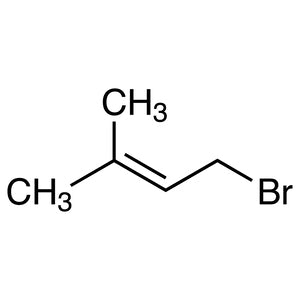
1-Bromo-3-methyl-2-butene(stabilizedwithSilverchip) TCI B0844
Regular price From Rp 769.650,00Regular priceRp 537.600,00Sale price From Rp 769.650,00 -
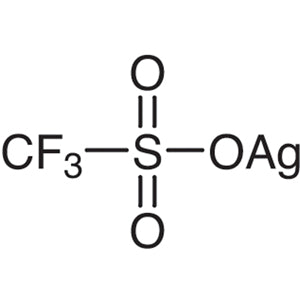
SilverTrifluoromethanesulfonate TCI T1331
Regular price From Rp 610.050,00Regular priceRp 426.300,00Sale price From Rp 610.050,00 -
SilverHexafluorophosphate TCI S0981
Regular price From Rp 1.829.100,00Regular priceRp 1.278.900,00Sale price From Rp 1.829.100,00 -
Silver(I)Trifluoromethanethiolate TCI S0977
Regular price From Rp 3.287.550,00Regular priceRp 2.298.450,00Sale price From Rp 3.287.550,00 -
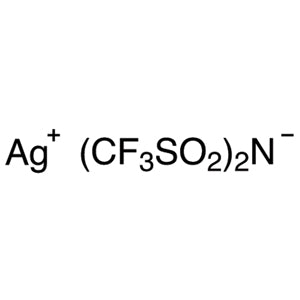
SilverBis(trifluoromethanesulfonyl)imide TCI S0898
Regular price From Rp 5.485.200,00Regular priceRp 3.835.650,00Sale price From Rp 5.485.200,00 -
Silver(II)Pyridine-2-carboxylate TCI S0815
Regular price From Rp 1.829.100,00Regular priceRp 1.278.900,00Sale price From Rp 1.829.100,00