5-Tert-Butylisophthalic Acid (TCI B1380) is a chemical compound widely used in organic synthesis as a building block for creating complex molecular structures. This compound is essential in laboratory settings where researchers aim to develop new materials, pharmaceuticals, or functional compounds. Its unique molecular structure, featuring a carboxylic acid group and an isopropyl substituent, makes it highly reactive and versatile in various chemical reactions. As a key component in synthetic pathways, it supports the creation of heterocyclic compounds and other complex organic molecules.
The compound's stability and controlled reactivity make it a preferred choice for chemists working in both academic and industrial research environments. Its consistent chemical and physical properties allow it to be reliably integrated into experimental protocols without unexpected side reactions. This reliability is crucial for reproducibility in laboratory experiments, ensuring that results are accurate and consistent. Its compatibility with a wide range of reaction conditions further enhances its utility in diverse synthetic applications.
In Indonesian laboratories, 5-Tert-Butylisophthalic Acid is commonly used in organic chemistry research, particularly in higher education institutions and research centers. It plays a vital role in the development of new compounds with applications in pharmaceuticals, materials science, and environmental chemistry. Its availability and performance make it a trusted reagent for both teaching and research purposes.
- Synthesis of heterocyclic compounds for the development of new pharmaceuticals due to its reactivity and structural versatility.
- Esterification reactions in the production of functional compounds, as it provides a stable carboxylic acid group for modification.
- Creation of complex polymers with tailored properties, leveraging its ability to participate in polymerization processes.
- Organic synthesis in academic research settings where controlled reactivity and predictable outcomes are essential.
- Environmental chemistry studies involving the synthesis of compounds for pollution control and remediation applications.
| Brand | TCI |
|---|---|
| CAS number | 2359-09-3 |
| Molecular formula | — |
| Purity | — |
| Category | Chemistry > Building Blocks > Non-Heterocyclic Building Blocks |
| Pack sizes | As listed on product packaging |
| Physical form | Solid (as per standard product description) |
| Storage | Store in a cool, dry place away from moisture and direct sunlight |
This compound should be stored in a cool, dry environment, away from moisture and direct sunlight to maintain its chemical integrity. It is recommended to use airtight containers made of materials that are chemically inert, such as glass or high-density polyethylene, to prevent contamination and degradation. In laboratory settings, it is important to handle the compound with appropriate personal protective equipment, including gloves and safety goggles, to ensure safety during handling. Due to its reactivity, it should be stored separately from strong bases and reactive metals. Proper labeling and storage conditions are essential to maintain its effectiveness and ensure safe usage in experimental procedures.
—
Produk Terkait
-
IsophthalicAcid TCI I0155
Regular price From Rp 477.750,00Regular priceRp 333.900,00Sale price From Rp 477.750,00 -
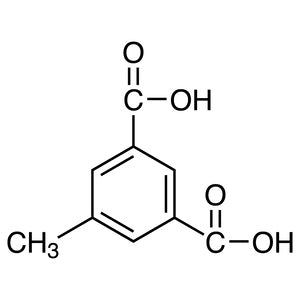
5-MethylisophthalicAcid TCI M1903
Regular price From Rp 1.246.350,00Regular priceRp 871.500,00Sale price From Rp 1.246.350,00 -
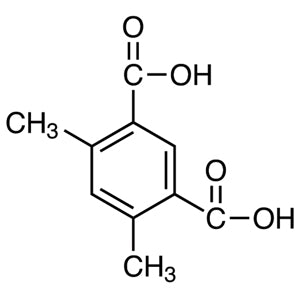
4,6-DimethylisophthalicAcid TCI D4377
Regular price From Rp 2.094.750,00Regular priceRp 1.464.750,00Sale price From Rp 2.094.750,00 -
2-Hydroxy-5-methylisophthalaldehyde TCI H0683
Regular price From Rp 2.466.450,00Regular priceRp 1.724.100,00Sale price From Rp 2.466.450,00 -
5-IodoisophthalicAcid TCI I1308
Regular price Rp 3.843.000,00Regular priceRp 2.686.950,00Sale price Rp 3.843.000,00 -
2-IodoisophthalicAcid TCI I0883
Regular price Rp 5.857.950,00Regular priceRp 4.096.050,00Sale price Rp 5.857.950,00 -
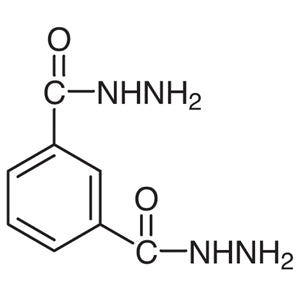
IsophthalicDihydrazide TCI I0257
Regular price From Rp 900.900,00Regular priceRp 645.750,00Sale price From Rp 900.900,00 -
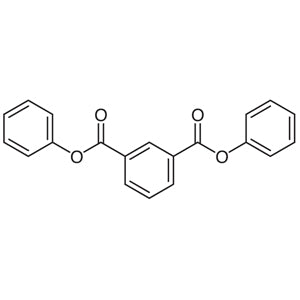
DiphenylIsophthalate TCI I0416
Regular price From Rp 1.298.850,00Regular priceRp 908.250,00Sale price From Rp 1.298.850,00