1,3-Bis(dicyanomethylidene)indan is an organic compound with a complex structure and unique electronic properties, making it a valuable material in advanced laboratory research. This compound is widely used in the field of material science, particularly in the development of molecular conductors. Its ability to exhibit strong electronic interactions makes it a key player in the study of conductive materials and their applications. In laboratory settings, it serves as a fundamental building block for experiments involving the synthesis and characterization of conductive materials.
The compound's molecular structure is stable, and it demonstrates a high degree of resistance to unwanted chemical reactions. These properties make it ideal for use in environments where chemical stability and reliability are critical. Its electronic properties allow for the investigation of molecular conductivity and optical behavior, which are essential for the development of organic electronic devices. Additionally, its predictable behavior under various experimental conditions enhances its utility in research.
In Indonesian laboratories, 1,3-Bis(dicyanomethylidene)indan is commonly used in applied material science and technology research. It is a key component in studies related to organic semiconductors and optical components. Researchers in educational and research institutions rely on this compound to advance their understanding of molecular conductive materials and their potential applications in electronic devices.
TCI brochures (PDF)
- Molecular Conductors 2025-11-13 · p. 3
Related TCI products
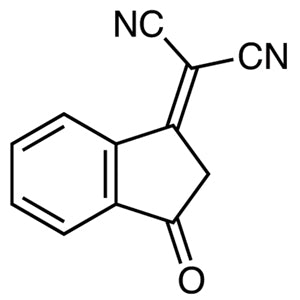
- TCI D2054 1080-74-6 3-(Dicyanomethylidene)indan-1-one
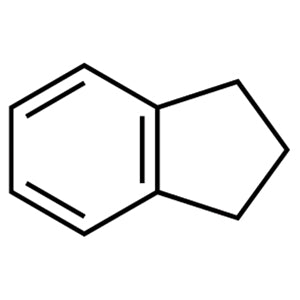
- TCI I0011 496-11-7 Indan
- TCI D2090 16954-74-8 2-(Dicyanomethylene)indan-1,3-dione
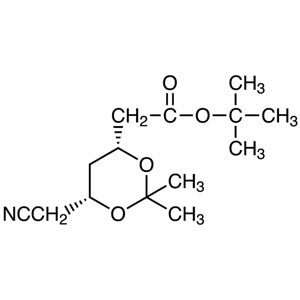
- TCI B3642 125971-94-0 tert-Butyl (4R,6R)-6-Cyanomethyl-2,2-dimethyl-1,3-dioxane-4-acetate
- TCI M2341 76469-88-0 Methyl 4-(Cyanomethyl)benzoate
- TCI C4162 121623-97-0 4-(Cyanomethyl)-2,3,5,6-tetrafluorobenzonitrile
- Molecular Conductor Research: This compound is ideal for studying conductive materials due to its strong electronic interactions and stable molecular structure.
- Organic Semiconductor Development: Its unique electronic properties make it suitable for the synthesis of organic semiconductors used in advanced electronic devices.
- Optical Material Characterization: The compound's optical properties allow it to be used in experiments focused on light interaction and material transparency.
- Conductivity Testing: It is frequently used in experiments to evaluate the electrical conductivity of new material formulations.
- Material Synthesis and Analysis: Its chemical stability and predictable behavior make it a preferred choice for synthesizing and analyzing conductive materials.
| Brand | TCI |
|---|---|
| CAS number | 38172-19-9 |
| Molecular formula | — |
| Purity | — |
| Category | Materials Science > Electronic Materials > Molecular Conductors |
| Pack sizes | Available in various quantities as per standard laboratory supply |
| Physical form | Solid |
| Storage | Store in a cool, dry place away from direct sunlight |
This compound should be stored in a cool, dry environment to maintain its chemical stability and prevent degradation. It is recommended to keep it in a sealed container to minimize exposure to moisture and air. Due to its chemical nature, it should be handled with care, using appropriate personal protective equipment such as gloves and safety goggles. It is advisable to store it in a well-ventilated area to avoid any potential accumulation of volatile compounds. Proper labeling of containers is essential for safe handling and to prevent accidental exposure. Regular inspection of storage conditions ensures the material remains in optimal condition for use in laboratory experiments.
—
Produk Terkait
-
3-(Dicyanomethylidene)indan-1-one TCI D2054
Regular price From Rp 4.373.250,00Regular priceRp 3.073.350,00Sale price From Rp 4.373.250,00 -
Indan TCI I0011
Regular price From Rp 795.900,00Regular priceRp 556.500,00Sale price From Rp 795.900,00 -
2-(Dicyanomethylene)indan-1,3-dione TCI D2090
Regular price Rp 2.650.200,00Regular priceRp 1.869.000,00Sale price Rp 2.650.200,00 -
tert-Butyl(4R,6R)-6-Cyanomethyl-2,2-dimethyl-1,3-dioxane-4-acetate TCI B3642
Regular price Rp 2.464.350,00Regular priceRp 1.738.800,00Sale price Rp 2.464.350,00 -
Methyl4-(Cyanomethyl)benzoate TCI M2341
Regular price From Rp 2.782.500,00Regular priceRp 1.961.400,00Sale price From Rp 2.782.500,00 -
4-(Cyanomethyl)-2,3,5,6-tetrafluorobenzonitrile TCI C4162
Regular price From Rp 2.439.150,00Regular priceRp 1.720.950,00Sale price From Rp 2.439.150,00 -
2-[4-(Cyanomethyl)phenyl]acetamide TCI C1748
Regular price Rp 4.001.550,00Regular priceRp 2.814.000,00Sale price Rp 4.001.550,00 -
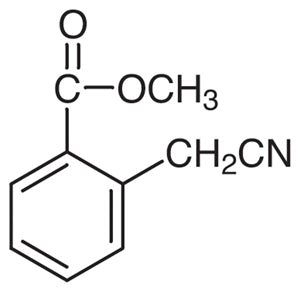
Methyl2-(Cyanomethyl)benzoate TCI C1552
Regular price From Rp 2.411.850,00Regular priceRp 1.702.050,00Sale price From Rp 2.411.850,00