2-Bromo-5-methylthiophene is a chemical compound belonging to the heterocyclic category, featuring a sulfur atom and a bromine atom in its structure. It serves as a key building block in organic chemistry, particularly in the synthesis of complex molecules. This compound is widely used in laboratory settings for its ability to participate in various chemical reactions, including substitution and cyclization processes. Due to its reactivity, it is a preferred choice for researchers aiming to develop compounds with specific biological activities.
The compound's chemical stability is enhanced through stabilization with a copper chip and sodium bicarbonate, which prevents degradation during storage and use. Its solubility in organic solvents makes it highly versatile for chemical processing and reaction applications. These properties ensure that it remains a reliable and efficient reagent in laboratory experiments, especially those requiring precision and controlled chemical transformations.
In Indonesian laboratories, 2-Bromo-5-methylthiophene is commonly used by researchers in organic chemistry, pharmaceutical sciences, and materials science. Its role in synthesizing bioactive compounds makes it a valuable resource for both academic and industrial research. The compound’s stability and reactivity make it a preferred choice for applications requiring consistent performance and reliability in experimental settings.
TCI brochures (PDF)
- Thiophenes 2026-06-29 · p. 2
Related TCI products
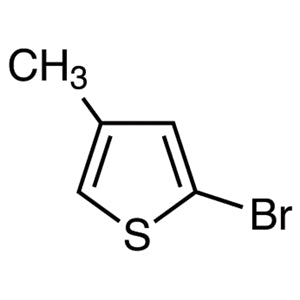
- TCI B4273 53119-60-1 2-Bromo-4-methylthiophene
- TCI B3385 29421-92-9 4-Bromo-2-methylthiophene
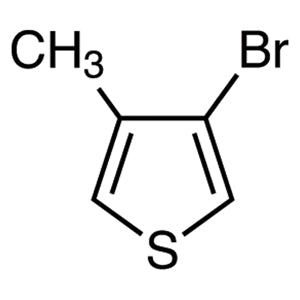
- TCI B1541 30318-99-1 3-Bromo-4-methylthiophene
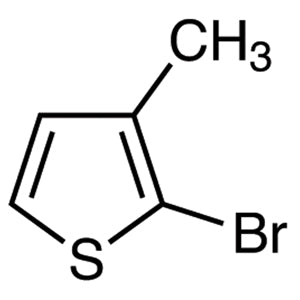
- TCI B1025 14282-76-9 2-Bromo-3-methylthiophene
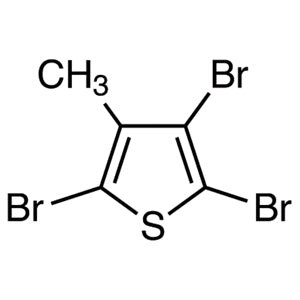
- TCI T1682 67869-13-0 2,3,5-Tribromo-4-methylthiophene
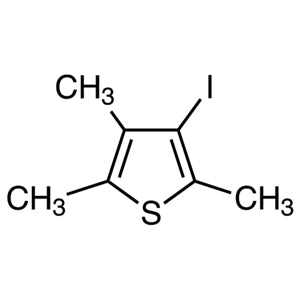
- TCI I0445 60813-84-5 3-Iodo-2,4,5-trimethylthiophene (stabilized with Copper chip)
- Organic synthesis applications benefit from this compound due to its reactivity and role in forming complex molecular structures.
- Pharmaceutical research utilizes it as a building block for developing compounds with potential therapeutic effects.
- Materials science experiments leverage its chemical properties to create novel functional materials.
- Analytical chemistry processes use it as a reference standard for identifying and quantifying related compounds.
- Industrial chemical production incorporates it for the synthesis of intermediates in large-scale manufacturing.
| Brand | TCI |
|---|---|
| CAS number | 765-58-2 |
| Molecular formula | — |
| Purity | — |
| Category | Chemistry > Building Blocks > Heterocyclic Building Blocks |
| Pack sizes | Available in various sizes as per standard laboratory requirements |
| Physical form | Liquid |
| Storage | Store with copper chip and sodium bicarbonate to maintain stability |
This compound should be stored in a cool, dry place away from direct sunlight and sources of heat. It is recommended to use airtight containers to prevent exposure to moisture and air. The presence of a copper chip and sodium bicarbonate is essential for maintaining its chemical stability during storage. Laboratory personnel should wear appropriate personal protective equipment when handling this material. Due to its reactivity, it should be kept in a well-ventilated area and handled with care to avoid any potential chemical interactions. Proper labeling and storage conditions are crucial to ensure safety and maintain the compound’s effectiveness in experimental applications.
—
Produk Terkait
-
2-Bromo-4-methylthiophene TCI B4273
Regular price Rp 4.771.200,00Regular priceRp 3.351.600,00Sale price Rp 4.771.200,00 -
4-Bromo-2-methylthiophene TCI B3385
Regular price From Rp 1.881.600,00Regular priceRp 1.331.400,00Sale price From Rp 1.881.600,00 -
3-Bromo-4-methylthiophene TCI B1541
Regular price From Rp 1.881.600,00Regular priceRp 1.331.400,00Sale price From Rp 1.881.600,00 -
2-Bromo-3-methylthiophene TCI B1025
Regular price From Rp 689.850,00Regular priceRp 497.700,00Sale price From Rp 689.850,00 -
2,3,5-Tribromo-4-methylthiophene TCI T1682
Regular price Rp 2.757.300,00Regular priceRp 1.943.550,00Sale price Rp 2.757.300,00 -
3-Iodo-2,4,5-trimethylthiophene(stabilizedwithCopperchip) TCI I0445
Regular price Rp 2.730.000,00Regular priceRp 1.924.650,00Sale price Rp 2.730.000,00 -
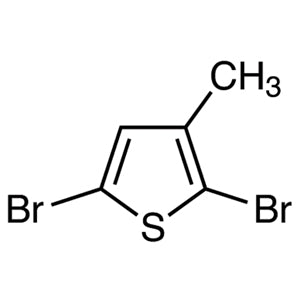
2,5-Dibromo-3-methylthiophene TCI D4304
Regular price From Rp 1.723.050,00Regular priceRp 1.220.100,00Sale price From Rp 1.723.050,00 -
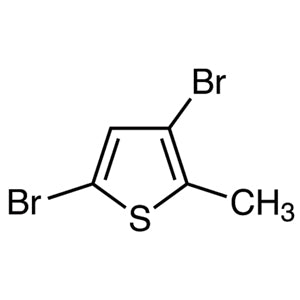
3,5-Dibromo-2-methylthiophene TCI D3999
Regular price From Rp 2.889.600,00Regular priceRp 2.035.950,00Sale price From Rp 2.889.600,00