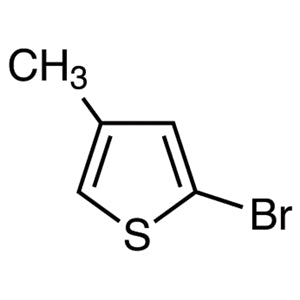
4-Bromo-2-methylthiophene is a chemical compound widely used as a building block in the synthesis of heterocyclic compounds. This compound plays a crucial role in organic chemistry laboratories, where it serves as a versatile intermediate for creating complex molecular structures. Its presence in various research fields, including pharmaceutical and industrial chemistry, highlights its importance in developing new materials and therapeutic agents. The unique structure of 4-Bromo-2-methylthiophene, featuring a thiophene ring with bromo and methyl substituents, makes it a valuable resource for chemists seeking to modify molecular frameworks.
The chemical properties of 4-Bromo-2-methylthiophene make it a preferred choice for synthetic reactions. The bromo group enhances its reactivity in substitution and electrophilic reactions, allowing for selective modifications in complex molecules. The sulfur atom in the thiophene ring contributes to the compound’s polarity, enabling interactions with a variety of reagents. These characteristics make it ideal for use in reactions requiring controlled reactivity and structural versatility. Its stability under certain conditions further supports its application in a wide range of chemical processes.
In Indonesian laboratories, 4-Bromo-2-methylthiophene is commonly used in organic chemistry and pharmacological research. Researchers in educational institutions and research organizations rely on this compound for the development of new drugs and chemical materials. Its role in synthesizing compounds with biological activity underscores its significance in both academic and industrial research settings. The compound’s reliability and chemical versatility make it a staple in the chemical supply chain for Indonesian scientific institutions.
TCI brochures (PDF)
- Thiophenes 2026-06-29 · p. 2
Related TCI products
- TCI B4273 53119-60-1 2-Bromo-4-methylthiophene
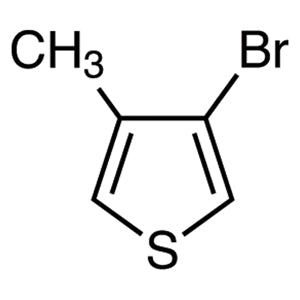
- TCI B1541 30318-99-1 3-Bromo-4-methylthiophene
- TCI B1540 765-58-2 2-Bromo-5-methylthiophene (stabilized with Copper chip + NaHCO3)
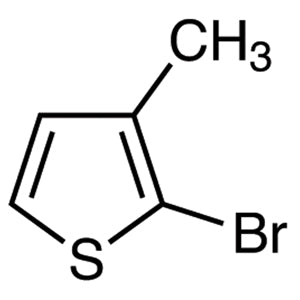
- TCI B1025 14282-76-9 2-Bromo-3-methylthiophene
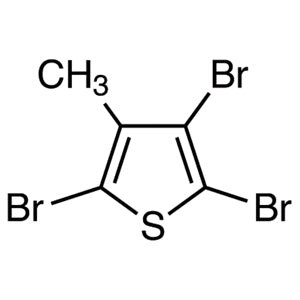
- TCI T1682 67869-13-0 2,3,5-Tribromo-4-methylthiophene
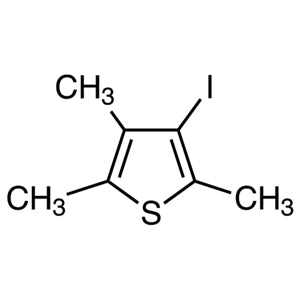
- TCI I0445 60813-84-5 3-Iodo-2,4,5-trimethylthiophene (stabilized with Copper chip)
- Organic synthesis applications benefit from 4-Bromo-2-methylthiophene due to its reactivity and structural versatility, allowing for the creation of complex heterocyclic compounds.
- Pharmaceutical research utilizes this compound as a building block for the development of new therapeutic agents, leveraging its ability to participate in various chemical transformations.
- Industrial chemical production incorporates this material for the synthesis of specialty chemicals, taking advantage of its controlled reactivity and stability in reaction conditions.
- Academic research in chemistry and pharmacology frequently employs this compound to explore new synthetic pathways and molecular structures.
- Drug discovery projects rely on 4-Bromo-2-methylthiophene for the design and synthesis of compounds with potential biological activity and therapeutic applications.
| Brand | TCI |
|---|---|
| CAS number | 29421-92-9 |
| Molecular formula | — |
| Purity | — |
| Category | Chemistry > Building Blocks > Heterocyclic Building Blocks |
| Pack sizes | Available in various quantities as per supplier specifications |
| Physical form | Liquid or solid, depending on the specific product variant |
| Storage | Store in a cool, dry place away from light and incompatible substances |
4-Bromo-2-methylthiophene should be stored in a cool, dry place, away from direct sunlight and sources of heat. It is recommended to use tightly sealed containers to prevent exposure to air and moisture. The compound should be kept in a well-ventilated area to minimize inhalation risks. When handling, it is essential to use appropriate personal protective equipment, including gloves and safety goggles. Avoid contact with skin and eyes, and ensure proper disposal according to local regulations. Due to its chemical nature, it should not be stored near incompatible materials such as strong oxidizers or acids. Always follow standard laboratory safety protocols when working with this compound.
—
Produk Terkait
-
2-Bromo-4-methylthiophene TCI B4273
Regular price Rp 4.771.200,00Regular priceRp 3.351.600,00Sale price Rp 4.771.200,00 -
3-Bromo-4-methylthiophene TCI B1541
Regular price From Rp 1.881.600,00Regular priceRp 1.331.400,00Sale price From Rp 1.881.600,00 -
2-Bromo-5-methylthiophene(stabilizedwithCopperchip+NaHCO3) TCI B1540
Regular price From Rp 1.590.750,00Regular priceRp 1.127.700,00Sale price From Rp 1.590.750,00 -
2-Bromo-3-methylthiophene TCI B1025
Regular price From Rp 689.850,00Regular priceRp 497.700,00Sale price From Rp 689.850,00 -
2,3,5-Tribromo-4-methylthiophene TCI T1682
Regular price Rp 2.757.300,00Regular priceRp 1.943.550,00Sale price Rp 2.757.300,00 -
3-Iodo-2,4,5-trimethylthiophene(stabilizedwithCopperchip) TCI I0445
Regular price Rp 2.730.000,00Regular priceRp 1.924.650,00Sale price Rp 2.730.000,00 -
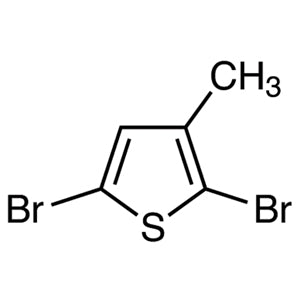
2,5-Dibromo-3-methylthiophene TCI D4304
Regular price From Rp 1.723.050,00Regular priceRp 1.220.100,00Sale price From Rp 1.723.050,00 -
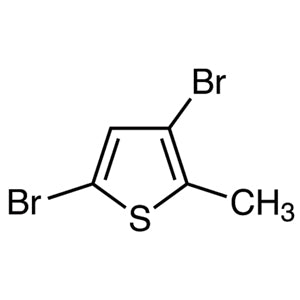
3,5-Dibromo-2-methylthiophene TCI D3999
Regular price From Rp 2.889.600,00Regular priceRp 2.035.950,00Sale price From Rp 2.889.600,00