Ethyl Bromofluoroacetate (EBFA) is a chemical compound widely used as a building block in the synthesis of organofluorine compounds. It plays a critical role in laboratory settings where precise chemical modifications to carbon chains are required. This compound is particularly valuable for introducing fluorine atoms into organic molecules, a process essential for creating compounds with unique physical and chemical properties. Its versatility makes it a key reagent in synthetic chemistry, especially in the development of pharmaceuticals and industrial chemicals.
EBFA is characterized by its complex molecular structure and high reactivity, which make it ideal for substitution and electrophilic reactions. These properties allow it to participate in a wide range of chemical transformations, making it a preferred choice for researchers aiming to achieve specific functional group modifications. Its reactivity also means it requires careful handling and controlled conditions to ensure safety and efficiency in laboratory operations.
In Indonesian laboratories, EBFA is commonly used in research and development projects focused on organofluorine compounds. It supports the creation of compounds with specialized properties, contributing to advancements in both pharmaceutical and industrial sectors. Its application is integral to local efforts in developing innovative chemical products with significant market potential.
Advantages (TCI brochure)
- Forms Reformatsky reagent with zinc
- Gives α-fluoro-β-hydroxy esters and α-fluoro-β-amino esters
TCI brochures (PDF)
- Fluorination Reagents, Fluorinated Building Blocks 2026-03-18 · p. 5
- Fluorinated Compound Synthesis: EBFA is ideal for creating fluorinated organic molecules due to its ability to introduce fluorine atoms into carbon chains, enhancing the compound's stability and reactivity.
- Pharmaceutical Research: It is used in the development of new drugs, where precise fluorine incorporation can alter the pharmacological properties of the final product.
- Industrial Chemistry: EBFA supports the production of specialty chemicals, offering a reliable building block for complex molecular structures.
- Organic Synthesis Reactions: Its reactivity makes it suitable for substitution and electrophilic reactions, enabling the synthesis of a wide range of functionalized compounds.
- Research and Development: It is a key reagent in R&D projects focused on creating novel materials with unique chemical and physical properties.
From the TCI brochure
- Reformatsky reaction with carbonyl compounds
- Synthesis of N-protected α-fluoro-α-amino ester
| Brand | TCI |
|---|---|
| CAS number | 401-55-8 |
| Molecular formula | — |
| Purity | — |
| Category | Chemistry > Building Blocks > Fluorinated Building Blocks |
| Pack sizes | — |
| Physical form | — |
| Storage | Store in a cool, dry place away from moisture and direct sunlight. |
Data from the TCI brochure
| Kondisi contoh reaksi | Zn, benzena, refluks, 45 menit (dengan benzaldehida) |
|---|
Source: TCI brochure R5051 (2026-03-18)
EBFA should be stored in a cool, dry environment, away from moisture and direct sunlight to maintain its chemical integrity. It is recommended to use airtight containers made of materials that are chemically inert, such as glass or high-density polyethylene, to prevent contamination and degradation. Due to its reactivity, it is important to handle EBFA with appropriate personal protective equipment, including gloves and safety goggles, to minimize exposure. In laboratory settings, it should be kept in a well-ventilated area to ensure safe handling. All procedures involving EBFA should be conducted in a fume hood to reduce the risk of inhalation. Proper labeling of storage containers is essential to ensure safe access and usage.
—
Produk Terkait
-
CesiumTrifluoroacetate TCI T4207
Regular price From Rp 2.677.500,00Regular priceRp 1.887.900,00Sale price From Rp 2.677.500,00 -
IsopropylTrifluoroacetate TCI T1761
Regular price Rp 1.670.550,00Regular priceRp 1.183.350,00Sale price Rp 1.670.550,00 -
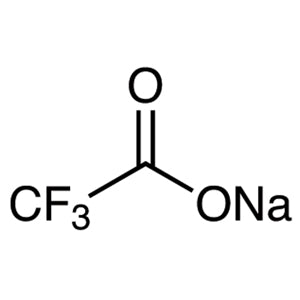
SodiumTrifluoroacetate TCI T1336
Regular price From Rp 689.850,00Regular priceRp 497.700,00Sale price From Rp 689.850,00 -
PhenylTrifluoroacetate TCI T0741
Regular price Rp 1.298.850,00Regular priceRp 924.000,00Sale price Rp 1.298.850,00 -
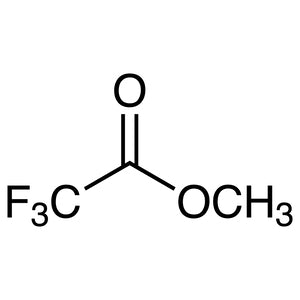
MethylTrifluoroacetate TCI T0680
Regular price Rp 1.563.450,00Regular priceRp 1.108.800,00Sale price Rp 1.563.450,00 -
EthylTrifluoroacetate TCI T0432
Regular price From Rp 795.900,00Regular priceRp 572.250,00Sale price From Rp 795.900,00 -
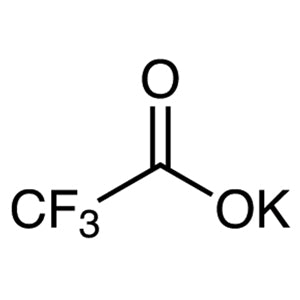
PotassiumTrifluoroacetate TCI P2114
Regular price From Rp 1.351.350,00Regular priceRp 960.750,00Sale price From Rp 1.351.350,00 -
MethylDifluoroacetate TCI M2021
Regular price From Rp 1.060.500,00Regular priceRp 757.050,00Sale price From Rp 1.060.500,00