3,5-Bis(trifluoromethyl)benzamide is a chemical compound widely used in organic reactions for the synthesis of complex molecules. As a fluorinated building block, it plays a crucial role in laboratories by enabling the creation of diverse chemical structures. Its unique molecular structure, featuring trifluoromethyl groups at the 3 and 5 positions of the benzamide ring, makes it a versatile reagent. This compound is essential in the development of pharmaceuticals, polymers, and other organic materials. Its ability to participate in various chemical transformations, such as substitution and coupling reactions, enhances its utility in synthetic chemistry.
The compound’s properties make it a preferred choice for researchers. The trifluoromethyl groups provide distinctive electronic characteristics, allowing the molecule to attract electrons and increase reactivity. These properties are highly beneficial in the synthesis of compounds with specific functional properties. Additionally, its stability under certain chemical conditions ensures reliable performance in laboratory settings. The combination of reactivity and stability makes it a valuable tool for chemists working on complex molecular designs.
In Indonesian laboratories, 3,5-Bis(trifluoromethyl)benzamide is commonly used by researchers in chemistry and pharmacy. It supports the development of new compounds, modification of existing ones, and research into various chemical applications. Its role in advancing scientific studies and innovation is significant, particularly in the fields of drug discovery and material science.
Related TCI products
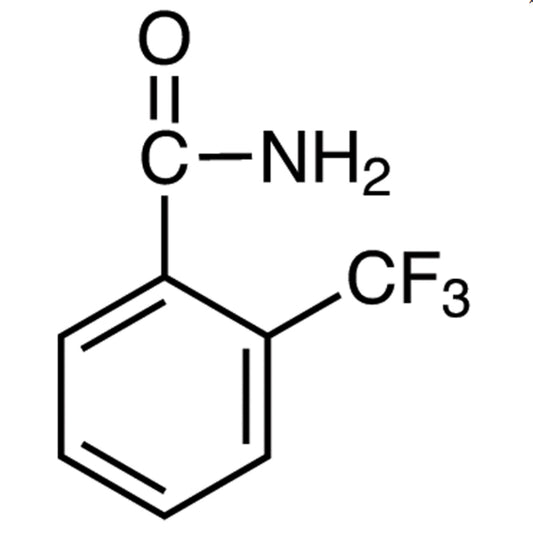
- TCI T3384 360-64-5 2-(Trifluoromethyl)benzamide
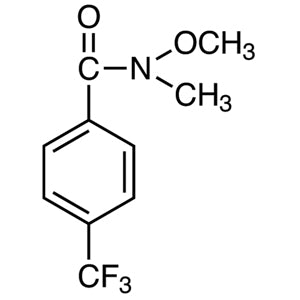
- TCI M2762 116332-61-7 N-Methoxy-N-methyl-4-(trifluoromethyl)benzamide
- TCI T3474 1891-90-3 4-(Trifluoromethyl)benzamide
- TCI I0766 16588-74-2 3,5-Bis(trifluoromethyl)phenyl Isocyanate
- TCI I0794 163444-17-5 2-Iodo-4-(trifluoromethyl)aniline
- TCI T4379 728-86-9 Phenyl[4-(trifluoromethyl)phenyl]methanone
- Organic synthesis applications benefit from this compound due to its reactivity and ability to form complex molecular structures.
- Pharmaceutical research utilizes it for the development of bioactive compounds with enhanced pharmacological properties.
- Polymer science applications leverage its fluorinated structure to create materials with unique physical and chemical characteristics.
- Structural modification projects rely on its versatility in participating in substitution and coupling reactions.
- Material innovation studies use it to design advanced polymers and functional organic compounds with tailored properties.
| Brand | TCI |
|---|---|
| CAS number | 22227-26-5 |
| Molecular formula | — |
| Purity | — |
| Category | Chemistry > Building Blocks > Fluorinated Building Blocks |
| Pack sizes | Available in various quantities as per supplier specifications |
| Physical form | Solid, crystalline appearance |
| Storage | Store in a cool, dry place away from light and moisture |
This compound should be stored in a cool, dry environment, away from direct light and moisture to maintain its stability and effectiveness. It is recommended to use airtight containers to prevent exposure to air and humidity. Due to its fluorinated nature, it is important to handle it with appropriate personal protective equipment, such as gloves and safety goggles, to ensure laboratory safety. Avoid contact with incompatible substances and ensure proper ventilation in the workspace. Regular monitoring of storage conditions is advised to maintain the integrity of the compound during long-term storage.
—
Produk Terkait
-
2-(Trifluoromethyl)benzamide TCI T3384
Regular price From Rp 689.850,00Regular priceRp 497.700,00Sale price From Rp 689.850,00 -
N-Methoxy-N-methyl-4-(trifluoromethyl)benzamide TCI M2762
Regular price Rp 1.618.050,00Regular priceRp 1.146.600,00Sale price Rp 1.618.050,00 -
4-(Trifluoromethyl)benzamide TCI T3474
Regular price Rp 875.700,00Regular priceRp 627.900,00Sale price Rp 875.700,00 -
3,5-Bis(trifluoromethyl)phenylIsocyanate TCI I0766
Regular price From Rp 4.108.650,00Regular priceRp 2.872.800,00Sale price From Rp 4.108.650,00 -
2-Iodo-4-(trifluoromethyl)aniline TCI I0794
Regular price From Rp 1.485.750,00Regular priceRp 1.038.450,00Sale price From Rp 1.485.750,00 -
Phenyl[4-(trifluoromethyl)phenyl]methanone TCI T4379
Regular price Rp 1.988.700,00Regular priceRp 1.405.950,00Sale price Rp 1.988.700,00 -
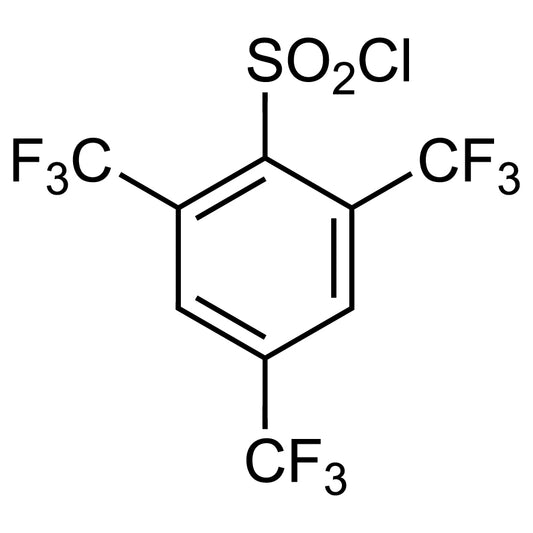
2,4,6-Tris(trifluoromethyl)benzenesulfonylChloride TCI T4302
Regular price From Rp 3.949.050,00Regular priceRp 2.761.500,00Sale price From Rp 3.949.050,00 -
1-[4-(Trifluoromethyl)phenyl]propan-1-one TCI T4250
Regular price Rp 2.173.500,00Regular priceRp 1.535.100,00Sale price Rp 2.173.500,00