2-Bromo-4,6-dimethylaniline is a chemical compound widely used in organic synthesis reactions, particularly in the production of heterocyclic compounds and industrial chemicals. As a building block in chemical research, it plays a crucial role in the development of pharmaceuticals, plastics, and other chemical materials. Its aromatic amine structure allows it to react with various reagents to form complex molecules, making it a versatile component in synthetic pathways. This compound is commonly found in laboratory settings where organic synthesis and functional group transformations are required.
The compound’s high reactivity due to its amine group makes it suitable for a range of chemical reactions, including substitution, reduction, and nucleophilic reactions. Its stability under certain conditions ensures safe handling and storage, which is essential for laboratory operations. The solid form of the compound facilitates easy handling and measurement, making it a preferred choice for researchers. Its ability to participate in diverse chemical transformations enhances its utility in both academic and industrial research environments.
In Indonesian laboratories, 2-Bromo-4,6-dimethylaniline is frequently used in organic chemistry research, especially in pharmaceutical and materials science applications. It is commonly employed in experiments requiring the synthesis of complex compounds, supporting both academic studies and industrial development. Its availability and chemical properties make it an essential reagent for chemists working in various research fields.
Related TCI products
- TCI B3243 698-00-0 2-Bromo-N,N-dimethylaniline
- TCI B0585 586-77-6 4-Bromo-N,N-dimethylaniline
- TCI B6378 16518-62-0 3-Bromo-N,N-dimethylaniline
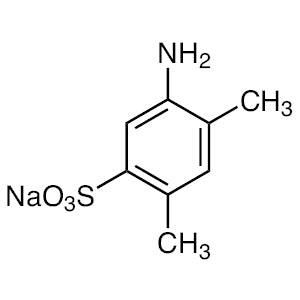
- TCI X0030 64501-84-4 2,4-Dimethylaniline-5-sulfonic Acid Sodium Salt
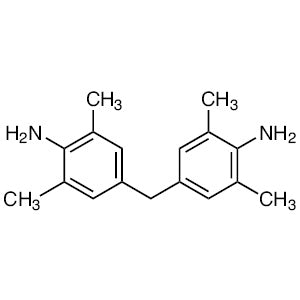
- TCI M3403 4073-98-7 4,4'-Methylenebis(2,6-dimethylaniline)
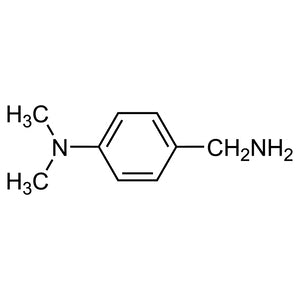
- TCI D6503 19293-58-4 4-(Aminomethyl)-N,N-dimethylaniline
- Organic synthesis for the creation of heterocyclic compounds due to its aromatic amine structure and reactivity.
- Pharmaceutical research for the development of new drugs through functional group modifications and molecular transformations.
- Industrial chemical production as a building block for the synthesis of various chemical intermediates and materials.
- Materials science applications in the development of advanced polymers and composite materials through chemical modifications.
- Academic research in organic chemistry for teaching and experimental purposes involving complex molecule synthesis.
| Brand | TCI |
|---|---|
| CAS number | 41825-73-4 |
| Molecular formula | — |
| Purity | — |
| Category | Chemistry > Building Blocks > Non-Heterocyclic Building Blocks |
| Pack sizes | Available in various quantities as per standard laboratory supply options |
| Physical form | Solid |
| Storage | Store in a cool, dry place away from light and incompatible substances |
This compound should be stored in a cool, dry place, away from light and incompatible materials such as strong oxidizing agents. It is recommended to use airtight containers to prevent moisture absorption and maintain its chemical integrity. Due to its reactivity, it should be handled with care, using appropriate personal protective equipment such as gloves and goggles. It is important to ensure proper ventilation in the laboratory to minimize exposure. Avoid direct contact with skin and eyes, and keep it away from heat sources to prevent decomposition. Proper storage and handling practices ensure the safety of laboratory personnel and the effectiveness of the compound in chemical reactions.
—
Produk Terkait
-
2-Bromo-N,N-dimethylaniline TCI B3243
Regular price From Rp 928.200,00Regular priceRp 648.900,00Sale price From Rp 928.200,00 -
4-Bromo-N,N-dimethylaniline TCI B0585
Regular price From Rp 823.200,00Regular priceRp 575.400,00Sale price From Rp 823.200,00 -
3-Bromo-N,N-dimethylaniline TCI B6378
Regular price From Rp 1.670.550,00Regular priceRp 1.167.600,00Sale price From Rp 1.670.550,00 -
2,4-Dimethylaniline-5-sulfonicAcidSodiumSalt TCI X0030
Regular price Rp 4.268.250,00Regular priceRp 2.984.100,00Sale price Rp 4.268.250,00 -
4,4'-Methylenebis(2,6-dimethylaniline) TCI M3403
Regular price From Rp 2.411.850,00Regular priceRp 1.702.050,00Sale price From Rp 2.411.850,00 -
4-(Aminomethyl)-N,N-dimethylaniline TCI D6503
Regular price From Rp 2.121.000,00Regular priceRp 1.498.350,00Sale price From Rp 2.121.000,00 -
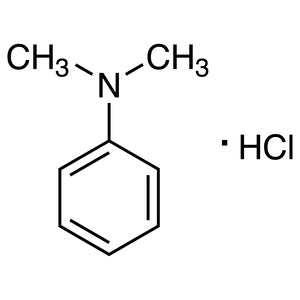
N,N-DimethylanilineHydrochloride TCI D6371
Regular price Rp 1.565.550,00Regular priceRp 1.094.100,00Sale price Rp 1.565.550,00 -
N,N-Dimethylaniline[forBiochemicalResearch] TCI D3866
Regular price From Rp 505.050,00Regular priceRp 352.800,00Sale price From Rp 505.050,00