N,N'-Bis(3-aminopropyl)ethylenediamine (BAPEN) is a versatile chemical compound widely used in synthetic laboratory applications. As a building block in organic chemistry, it serves as a fundamental component for constructing more complex molecular structures. Its role in the laboratory is critical in facilitating crosslinking, bonding, and polymer chain formation. BAPEN is particularly valued for its ability to participate in various chemical reactions due to its multiple amine groups, making it an essential reagent in advanced chemical synthesis.
The chemical properties of BAPEN make it a preferred choice for researchers. Its stable yet reactive nature allows it to interact with a wide range of functional groups, enhancing its utility in diverse synthetic pathways. The presence of multiple amine functionalities provides flexibility in designing new compounds, enabling it to be adapted to various reaction conditions and mechanisms. This adaptability is key to its popularity among chemists working on complex molecule synthesis and functional group modification.
In Indonesian laboratories, BAPEN is commonly used in organic chemistry research, especially in the synthesis of complex compounds and the development of new materials. Its relevance extends to biomedical and material science research, where it plays a role in creating functional polymers and bioactive molecules. The compound’s versatility and reliability make it a valuable resource for both academic and industrial research settings in Indonesia.
TCI brochures (PDF)
- Polyamines 2025-10-21 · p. 2
- Biomaterials Research Reagents 2025-02-19 · p. 17
- Monomers 2025-05-28 · p. 29
Related TCI products
- TCI B1468 306-67-2 N,N'-Bis(3-aminopropyl)-1,4-butanediamine Tetrahydrochloride
- TCI E0078 333-18-6 Ethylenediamine Dihydrochloride
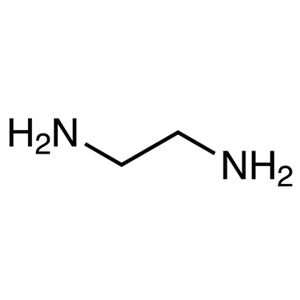
- TCI E0077 107-15-3 Ethylenediamine Anhydrous
- TCI B1445 4741-99-5 N,N'-Bis(2-aminoethyl)-1,3-propanediamine
- TCI D0239 110-60-1 1,4-Diaminobutane
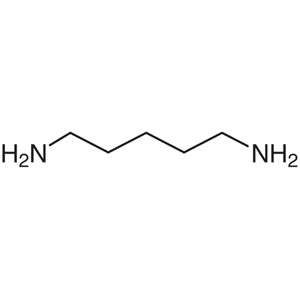
- TCI D0108 462-94-2 1,5-Diaminopentane
- Organic synthesis of complex molecules where crosslinking and functional group modification are required
- Development of new polymers and materials through polymer chain formation and bonding
- Creation of bioactive compounds in biomedical research due to its reactivity and structural versatility
- Functional group attachment in the design of pharmaceutical intermediates and specialty chemicals
- Advanced chemical reactions involving amine-based crosslinking and molecular assembly processes
| Brand | TCI |
|---|---|
| CAS number | 10563-26-5 |
| Molecular formula | — |
| Purity | — |
| Category | Chemistry > Building Blocks > Non-Heterocyclic Building Blocks |
| Pack sizes | Available in various quantities as per standard laboratory supply |
| Physical form | Liquid |
| Storage | Store in a cool, dry place away from direct sunlight |
This compound should be stored in a cool, dry environment, away from direct sunlight and sources of heat. It is recommended to use airtight containers to prevent moisture absorption and contamination. Due to its reactive nature, it should be handled with appropriate personal protective equipment, including gloves and safety goggles. Avoid exposure to incompatible materials such as strong oxidizers. Ensure proper ventilation in the workspace to minimize inhalation risks. Keep the container sealed when not in use to maintain its chemical integrity and safety.
—
Product Categories
Produk Terkait
-
N,N'-Bis(3-aminopropyl)-1,4-butanediamineTetrahydrochloride TCI B1468
Regular price From Rp 4.823.700,00Regular priceRp 3.372.600,00Sale price From Rp 4.823.700,00 -
EthylenediamineDihydrochloride TCI E0078
Regular price From Rp 505.050,00Regular priceRp 352.800,00Sale price From Rp 505.050,00 -
EthylenediamineAnhydrous TCI E0077
Regular price From Rp 505.050,00Regular priceRp 352.800,00Sale price From Rp 505.050,00 -
N,N'-Bis(2-aminoethyl)-1,3-propanediamine TCI B1445
Regular price Rp 1.378.650,00Regular priceRp 963.900,00Sale price Rp 1.378.650,00 -
1,4-Diaminobutane TCI D0239
Regular price From Rp 505.050,00Regular priceRp 352.800,00Sale price From Rp 505.050,00 -
1,5-Diaminopentane TCI D0108
Regular price From Rp 2.227.050,00Regular priceRp 1.557.150,00Sale price From Rp 2.227.050,00 -
1,5-DiaminopentaneDihydrochloride TCI D0099
Regular price From Rp 1.458.450,00Regular priceRp 1.019.550,00Sale price From Rp 1.458.450,00 -
3,3'-Diaminodipropylamine TCI D0090
Regular price From Rp 664.650,00Regular priceRp 464.100,00Sale price From Rp 664.650,00