N,N’-Bis(3-aminopropyl)-1,4-butanediamine Tetrahydrochloride is a chemical compound widely used in scientific and industrial applications, particularly in the field of materials and polymers. This reagent plays a crucial role in the synthesis of complex molecules and polymers, serving as a building block for various chemical reactions. Its unique structure allows it to participate in cross-linking and polymerization processes, making it an essential component in the development of advanced materials. In laboratory settings, it is commonly used for creating composite materials, coatings, and conductive substances due to its chemical versatility and reactivity.
The compound is valued for its chemical stability and reactivity under controlled conditions. Its molecular structure provides a flexible platform for forming bonds with other compounds, which is essential in the creation of functional polymers and nanomaterials. The tetrahydrochloride form enhances its solubility and ease of handling, making it suitable for a wide range of experimental applications. These properties make it a preferred choice for researchers aiming to develop new materials with tailored properties and improved performance.
In Indonesian laboratories, this compound is frequently used in material science, organic chemistry, and polymer technology research. Its ability to participate in various chemical reactions and its stability under different conditions make it a reliable reagent for both academic and industrial research. Its application in the development of advanced materials underscores its importance in modern scientific innovation.
TCI brochures (PDF)
- Circadian Period-Lengthening CK1 Inhibitor for Plants(LL073E) 2025-03-27 · p. 1
- Xylem Differentiation-Inducing Polyamine Xylemin 2024-11-15 · p. 2
- Polyamines 2025-10-21 · p. 2
- Biomaterials Research Reagents 2025-02-19 · p. 17
- Monomers 2025-05-28 · p. 29
- Reagents for Biological Research 2025-03-11 · p. 38
Related TCI products
- TCI B1952 10563-26-5 N,N'-Bis(3-aminopropyl)ethylenediamine
- TCI D0081 333-93-7 1,4-Diaminobutane Dihydrochloride
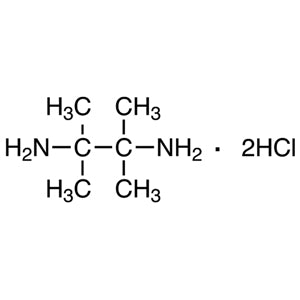
- TCI D3212 75804-28-3 2,3-Dimethyl-2,3-butanediamine Dihydrochloride
- TCI P1948 34901-14-9 Polyethylene Glycol Bis(3-aminopropyl) Ether
- TCI B1445 4741-99-5 N,N'-Bis(2-aminoethyl)-1,3-propanediamine
- TCI D0493 111-40-0 Diethylenetriamine
- Polymer synthesis and cross-linking applications benefit from its ability to form stable bonds and enhance polymer network structures.
- Composite material development utilizes its reactivity to create durable and functional composite systems with enhanced mechanical properties.
- Organic chemistry research leverages its role as a versatile amine reagent in the synthesis of complex organic molecules and functional groups.
- Conductive material fabrication takes advantage of its molecular structure to create materials with improved electrical conductivity.
- Coating and surface modification processes use its reactivity to improve adhesion and surface properties of various substrates.
| Brand | TCI |
|---|---|
| CAS number | 306-67-2 |
| Molecular formula | — |
| Purity | — |
| Category | Materials Science > Polymer/Macromolecule Reagents > Monomers |
| Pack sizes | Available in various sizes as per standard laboratory requirements |
| Physical form | Solid powder |
| Storage | Store in a cool, dry place away from moisture and direct sunlight |
This compound should be stored in a cool, dry environment to maintain its chemical stability and prevent degradation. It is recommended to keep it in airtight containers to avoid exposure to moisture and air, which can affect its reactivity and purity. Proper labeling of storage containers is essential for safe handling and identification. In laboratory settings, it should be handled with appropriate personal protective equipment, such as gloves and safety goggles, to ensure safety during use. Regular monitoring of storage conditions is advised to ensure optimal performance and safety in research applications.
—
Product Categories
Produk Terkait
-
N,N'-Bis(3-aminopropyl)ethylenediamine TCI B1952
Regular price From Rp 610.050,00Regular priceRp 426.300,00Sale price From Rp 610.050,00 -
1,4-DiaminobutaneDihydrochloride TCI D0081
Regular price From Rp 1.538.250,00Regular priceRp 1.075.200,00Sale price From Rp 1.538.250,00 -
2,3-Dimethyl-2,3-butanediamineDihydrochloride TCI D3212
Regular price From Rp 3.155.250,00Regular priceRp 2.206.050,00Sale price From Rp 3.155.250,00 -
PolyethyleneGlycolBis(3-aminopropyl)Ether TCI P1948
Regular price From Rp 1.618.050,00Regular priceRp 1.130.850,00Sale price From Rp 1.618.050,00 -
N,N'-Bis(2-aminoethyl)-1,3-propanediamine TCI B1445
Regular price Rp 1.378.650,00Regular priceRp 963.900,00Sale price Rp 1.378.650,00 -
Diethylenetriamine TCI D0493
Regular price From Rp 505.050,00Regular priceRp 352.800,00Sale price From Rp 505.050,00 -
1,4-Diaminobutane TCI D0239
Regular price From Rp 505.050,00Regular priceRp 352.800,00Sale price From Rp 505.050,00 -
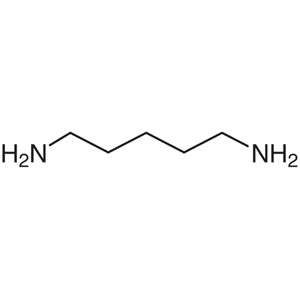
1,5-Diaminopentane TCI D0108
Regular price From Rp 2.227.050,00Regular priceRp 1.557.150,00Sale price From Rp 2.227.050,00