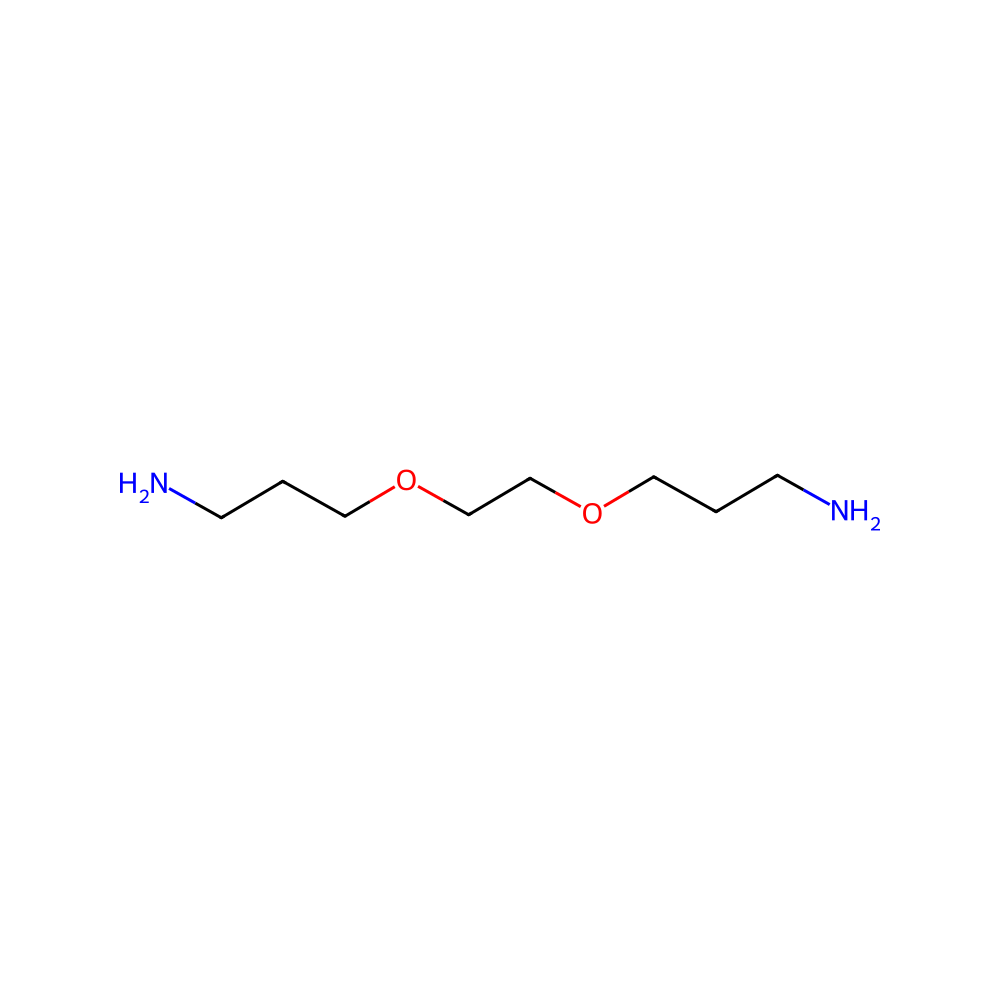
Polyethylene Glycol Bis(3-aminopropyl) Ether (PEG-SPA), also known as TCI P19401-14-9, is a versatile chemical compound widely used in chemical biology laboratories. This molecule serves as a critical linker and crosslinker, enabling the efficient coupling of various biomolecules such as proteins, nucleic acids, and other functional groups. Its unique structure allows for the formation of stable and specific covalent bonds, making it an essential tool in molecular conjugation processes. In research settings, PEG-SPA is frequently employed to enhance the stability and functionality of biomolecular systems, supporting a wide range of experimental applications.
One of the key attributes of PEG-SPA is its high reactivity and ability to form amide or quadruple bonds with diverse molecular targets. These properties make it highly suitable for applications such as antibody-antigen conjugation, bioconjugate synthesis, and the development of biosensors. Additionally, the compound exhibits non-toxic and biocompatible characteristics, which are crucial for use in biological systems. Its compatibility with a variety of functional groups further enhances its utility in both academic and industrial research environments.
In Indonesian laboratories, PEG-SPA plays a significant role in health research, pharmaceutical development, and biotechnology applications. It is commonly used in the creation of diagnostic tools, drug delivery systems, and biodegradable materials. Its reliability and effectiveness have made it a preferred choice for researchers working on molecular interactions and biomolecular engineering. The compound's adaptability to various experimental conditions ensures its continued relevance in modern scientific research.
TCI brochures (PDF)
- Biomaterials Research Reagents 2025-02-19 · p. 19
- Monomers 2025-05-28 · p. 32
Related TCI products
- TCI B1952 10563-26-5 N,N'-Bis(3-aminopropyl)ethylenediamine
- TCI B1468 306-67-2 N,N'-Bis(3-aminopropyl)-1,4-butanediamine Tetrahydrochloride
- TCI T0613 10517-44-9 1,3-Diaminopropane Dihydrochloride
- TCI D0114 109-76-2 1,3-Diaminopropane
- TCI D0113 78-90-0 1,2-Diaminopropane
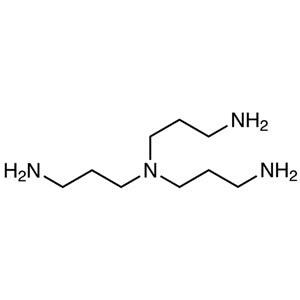
- TCI T1540 4963-47-7 Tris(3-aminopropyl)amine
- Molecular conjugation applications benefit from PEG-SPA's ability to form stable bonds between biomolecules, enhancing the functionality and stability of conjugates used in diagnostics and therapeutics.
- Biosensor development relies on PEG-SPA's reactivity and biocompatibility, allowing for the precise attachment of biomolecules to sensor surfaces for enhanced detection capabilities.
- Drug delivery system research utilizes PEG-SPA to improve the solubility and circulation time of therapeutic agents, facilitating targeted and efficient drug release.
- Biodegradable material synthesis leverages PEG-SPA's crosslinking properties to create durable yet biodegradable polymers suitable for medical and environmental applications.
- Antibody-antigen conjugation processes benefit from PEG-SPA's ability to form covalent bonds, enabling the creation of highly specific and stable immunological reagents.
| Brand | TCI |
|---|---|
| CAS number | 34901-14-9 |
| Molecular formula | — |
| Purity | — |
| Category | Chemistry > Chemical Biology > Linkers and Crosslinkers |
| Pack sizes | Available in various quantities as per supplier specifications |
| Physical form | Solid or liquid, depending on formulation |
| Storage | Store in a cool, dry place away from direct sunlight |
PEG-SPA should be stored in a cool, dry environment, away from direct sunlight and sources of heat. It is recommended to use airtight containers to prevent moisture absorption, which could affect its chemical stability. Due to its reactivity, it should be handled with appropriate personal protective equipment, including gloves and safety goggles, to ensure laboratory safety. Proper ventilation is essential when working with this compound to minimize exposure. It is important to maintain a clean and organized workspace to prevent contamination. Always follow standard laboratory safety protocols when handling and storing chemical substances to ensure a safe working environment.
—
Product Categories
Produk Terkait
-
N,N'-Bis(3-aminopropyl)ethylenediamine TCI B1952
Regular price From Rp 610.050,00Regular priceRp 426.300,00Sale price From Rp 610.050,00 -
N,N'-Bis(3-aminopropyl)-1,4-butanediamineTetrahydrochloride TCI B1468
Regular price From Rp 4.823.700,00Regular priceRp 3.372.600,00Sale price From Rp 4.823.700,00 -
1,3-DiaminopropaneDihydrochloride TCI T0613
Regular price From Rp 1.749.300,00Regular priceRp 1.223.250,00Sale price From Rp 1.749.300,00 -
1,3-Diaminopropane TCI D0114
Regular price From Rp 477.750,00Regular priceRp 333.900,00Sale price From Rp 477.750,00 -
1,2-Diaminopropane TCI D0113
Regular price From Rp 477.750,00Regular priceRp 333.900,00Sale price From Rp 477.750,00 -
Tris(3-aminopropyl)amine TCI T1540
Regular price From Rp 6.599.250,00Regular priceRp 4.614.750,00Sale price From Rp 6.599.250,00 -
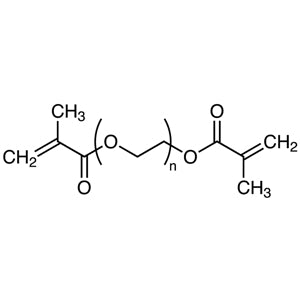
PolyethyleneGlycolDimethacrylate(n=approx4)(stabilizedwithMEHQ) TCI T1352
Regular price From Rp 505.050,00Regular priceRp 352.800,00Sale price From Rp 505.050,00 -
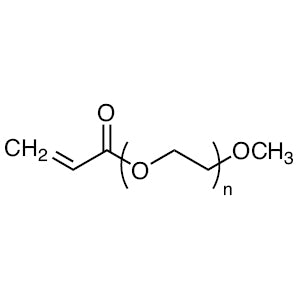
PolyethyleneGlycolMonomethylEtherAcrylate(n=approx13)(stabilizedwithMEHQ) TCI P2870
Regular price From Rp 1.087.800,00Regular priceRp 775.950,00Sale price From Rp 1.087.800,00