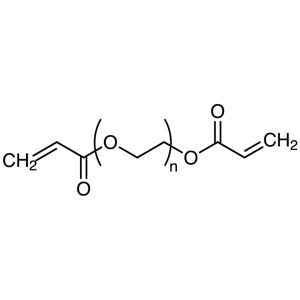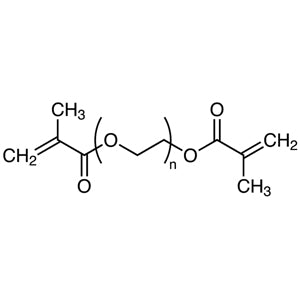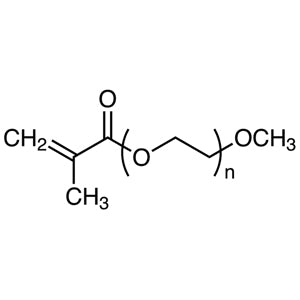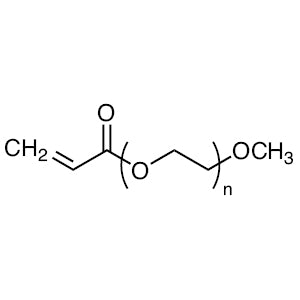
Polyethylene Glycol Monomethyl Ether Acrylate (n=approx 13) from TCI is an acrylate monomer that carries a polyethylene glycol (PEG) chain capped with a methyl ether group, with an average of about thirteen ethylene oxide units per chain. Materials science and polymer laboratories use it to build polymers with PEG side chains, such as comb and brush polymers, hydrogels and hydrophilic surface coatings. The product is stabilized with MEHQ, which stops it from polymerizing on its own during storage and shipping.
Researchers choose this monomer because it pairs an acrylate group that reacts readily in radical polymerization with a PEG chain that is hydrophilic, flexible and known to reduce protein adsorption. The methyl ether end cap keeps the side chain from taking part in the reaction, which gives better control over the final polymer architecture. The medium chain length (n of about 13) balances clear hydrophilic character with easy copolymerization with other monomers. This lets researchers adjust material properties such as solubility, stiffness and temperature response.
In Indonesia, this monomer suits chemical engineering, materials chemistry, pharmacy and biomaterials laboratories. These include university research groups and institutional laboratories working on delivery systems, functional polymers and modified surfaces. Its role as a building block for PEG-containing polymers makes it useful in student thesis projects, funded research and product development. In all of these settings, a reliable, stabilized monomer helps keep polymerization results reproducible from batch to batch.
TCI brochures (PDF)
- Biomaterials Research Reagents 2025-02-19 · p. 9
- Monomers 2025-05-28 · p. 5
Related TCI products
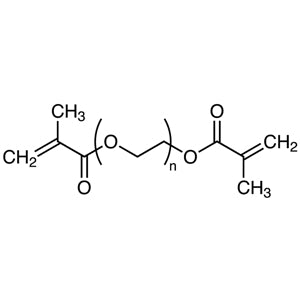
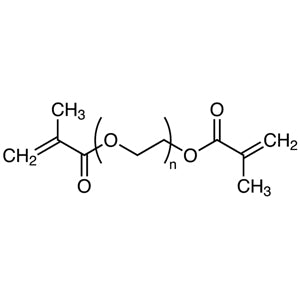
- TCI T1352 25852-47-5 Polyethylene Glycol Dimethacrylate (n=approx 4) (stabilized with MEHQ)
- TCI P2760 25852-47-5 Polyethylene Glycol Dimethacrylate (n=approx 14) (stabilized with MEHQ)
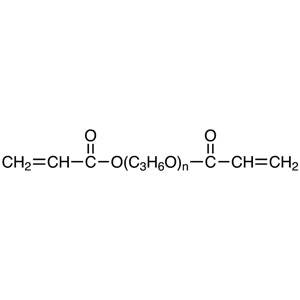
- TCI P2759 52496-08-9 Polypropylene Glycol Diacrylate (n=approx 12) (stabilized with MEHQ)
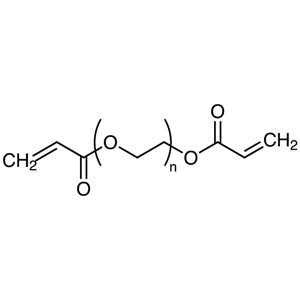
- TCI P2757 26570-48-9 Polyethylene Glycol Diacrylate (n=approx 14) (stabilized with MEHQ)
- TCI P2756 26570-48-9 Polyethylene Glycol Diacrylate (n=approx 4) (stabilized with MEHQ)
- TCI P2709 25852-47-5 Polyethylene Glycol Dimethacrylate (n=approx 9) (stabilized with MEHQ)
- Comb and brush polymer synthesis: the reactive acrylate group polymerizes by radical methods while the methyl ether-capped PEG chains form well-defined side chains along the backbone.
- Hydrogel preparation: the hydrophilic, flexible PEG segments help the polymer network hold water, which makes the monomer a sensible choice for soft, water-swollen materials.
- Hydrophilic and protein-resistant surface coatings: PEG chains are known to reduce protein adsorption, so this monomer suits coatings meant to limit unwanted surface fouling.
- Copolymerization to tune material properties: the medium chain length (n of about 13) copolymerizes easily with other monomers, so researchers can adjust solubility, stiffness and temperature response.
- Pharmaceutical and biomaterials research: PEG-functional polymers made from this monomer suit studies of delivery systems and biocompatible materials in pharmacy and biomaterials laboratories.
| Brand | TCI (product code P2870) |
|---|---|
| CAS number | 32171-39-4 |
| Molecular formula | — |
| Purity | — |
| Category | Materials Science > Polymer/Macromolecule Reagents > Monomers |
| Pack sizes | please contact AMI Scientific for currently available pack options |
| Physical form | see the TCI product label and Safety Data Sheet |
| Storage | — |
- Stabilizer: MEHQ, to prevent spontaneous polymerization
Store this monomer in its original, tightly closed container in a cool, dark, well-ventilated place, away from heat, direct sunlight, ignition sources and radical initiators. Because the product contains MEHQ to prevent spontaneous polymerization, do not remove the stabilizer until just before use. Follow the storage temperature and conditions stated on the TCI label and Safety Data Sheet. Handle the material in a fume hood or a well-ventilated area. Wear suitable gloves, safety glasses and a laboratory coat, since acrylate monomers can irritate the skin and eyes and may cause sensitization. Avoid inhaling vapours and avoid skin contact. Reseal the container promptly after each use, label any portions you transfer, and dispose of residues and contaminated materials according to institutional and local chemical waste rules.
—
Product Categories
Produk Terkait
-
PolyethyleneGlycolDimethacrylate(n=approx4)(stabilizedwithMEHQ) TCI T1352
Regular price From Rp 505.050,00Regular price -
PolyethyleneGlycolDimethacrylate(n=approx14)(stabilizedwithMEHQ) TCI P2760
Regular price From Rp 610.050,00Regular price -
PolypropyleneGlycolDiacrylate(n=approx12)(stabilizedwithMEHQ) TCI P2759
Regular price From Rp 769.650,00Regular price -
PolyethyleneGlycolDiacrylate(n=approx14)(stabilizedwithMEHQ) TCI P2757
Regular price From Rp 557.550,00Regular price -
PolyethyleneGlycolDiacrylate(n=approx4)(stabilizedwithMEHQ) TCI P2756
Regular price From Rp 557.550,00Regular price -
PolyethyleneGlycolDimethacrylate(n=approx9)(stabilizedwithMEHQ) TCI P2709
Regular price From Rp 610.050,00Regular price -
PolyethyleneGlycolDiacrylate(n=approx9)(stabilizedwithMEHQ) TCI P2708
Regular price From Rp 557.550,00Regular price -
PolyethyleneGlycolMonomethylEtherMethacrylate(n=approx9)(stabilizedwithMEHQ) TCI P2699
Regular price From Rp 1.140.300,00Regular price