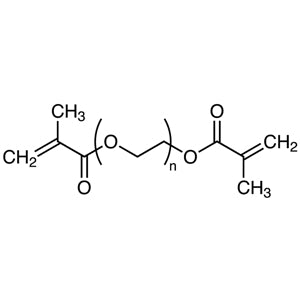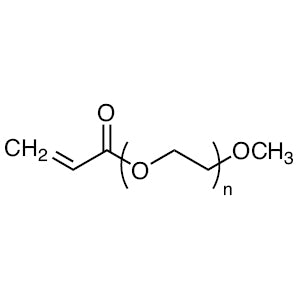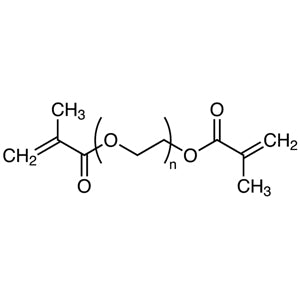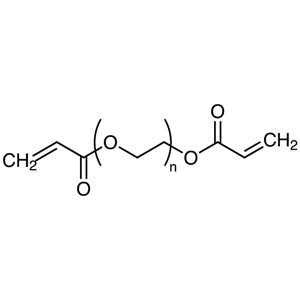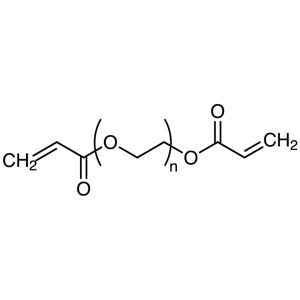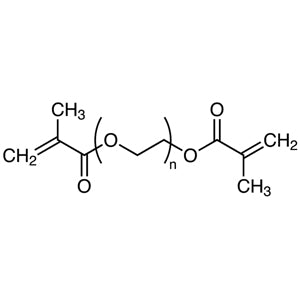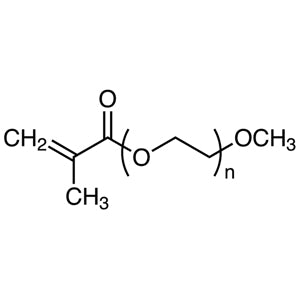
Polyethylene Glycol Monomethyl Ether Methacrylate (PEG MMA) is a versatile chemical compound widely used in materials science and polymer chemistry. This compound contains a methacrylate group and a polyethylene glycol chain, offering both reactivity and flexibility. In laboratory settings, PEG MMA serves as a key monomer in polymer synthesis, particularly in the development of composite materials, coatings, and medical applications. Its unique structure allows it to participate in various polymerization reactions, making it an essential component for creating functional polymers with tailored properties.
The chemical properties of PEG MMA make it a preferred choice for researchers. It exhibits high reactivity towards free radicals and polymerization reactions, enabling the formation of complex polymer networks. The compound is stabilized with MEHQ (methyl ether hydroquinone), which prevents oxidation and extends its shelf life. This stability ensures consistent performance during experiments, reducing the risk of degradation. Additionally, PEG MMA is soluble in many organic solvents, enhancing its utility in a wide range of chemical reactions and formulations.
In Indonesian laboratories, PEG MMA is commonly used in polymer research and development. Its ability to form stable and reactive polymers makes it ideal for applications such as biomedical materials, adhesives, and coatings. Researchers in Indonesia rely on PEG MMA for its reliability and compatibility with various experimental setups, supporting innovation in both academic and industrial settings.
TCI brochures (PDF)
- Biomaterials Research Reagents 2025-02-19 · p. 10
- Monomers 2025-05-28 · p. 7
Related TCI products
- TCI T1352 25852-47-5 Polyethylene Glycol Dimethacrylate (n=approx 4) (stabilized with MEHQ)
- TCI P2870 32171-39-4 Polyethylene Glycol Monomethyl Ether Acrylate (n=approx 13) (stabilized with MEHQ)
- TCI P2760 25852-47-5 Polyethylene Glycol Dimethacrylate (n=approx 14) (stabilized with MEHQ)
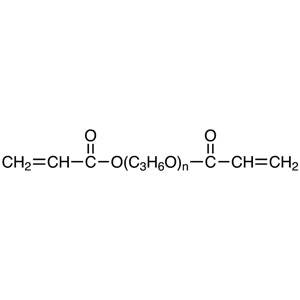
- TCI P2759 52496-08-9 Polypropylene Glycol Diacrylate (n=approx 12) (stabilized with MEHQ)
- TCI P2757 26570-48-9 Polyethylene Glycol Diacrylate (n=approx 14) (stabilized with MEHQ)
- TCI P2756 26570-48-9 Polyethylene Glycol Diacrylate (n=approx 4) (stabilized with MEHQ)
- Polymer synthesis for creating flexible and functional composite materials due to its reactivity and compatibility with various monomers.
- Development of medical-grade coatings and adhesives because of its biocompatibility and ability to form durable films.
- Formulation of biomedical devices where controlled polymer properties are essential for performance and safety.
- Preparation of coatings and sealants that require both chemical resistance and adhesion properties.
- Research in materials science for exploring new polymer structures and their applications in advanced technologies.
| Brand | TCI |
|---|---|
| CAS number | 26915-72-0 |
| Molecular formula | — |
| Purity | — |
| Category | Materials Science > Polymer/Macromolecule Reagents > Monomers |
| Pack sizes | Available in various quantities as per supplier specifications |
| Physical form | Liquid |
| Storage | Store in a cool, dark place away from heat and light |
PEG MMA should be stored in a cool, dark environment to maintain its stability and prevent degradation. It is recommended to keep the material in a tightly sealed container to minimize exposure to air and moisture. Due to its reactivity, it is important to handle PEG MMA with appropriate personal protective equipment, such as gloves and safety goggles. Avoid contact with strong oxidizing agents to prevent unwanted chemical reactions. Ensure proper ventilation in the laboratory when working with this compound. Regularly inspect storage containers for any signs of damage or leakage to maintain the integrity of the material.
—
Product Categories
Produk Terkait
-
PolyethyleneGlycolDimethacrylate(n=approx4)(stabilizedwithMEHQ) TCI T1352
Regular price From Rp 505.050,00Regular price -
PolyethyleneGlycolMonomethylEtherAcrylate(n=approx13)(stabilizedwithMEHQ) TCI P2870
Regular price From Rp 1.035.300,00Regular price -
PolyethyleneGlycolDimethacrylate(n=approx14)(stabilizedwithMEHQ) TCI P2760
Regular price From Rp 610.050,00Regular price -
PolypropyleneGlycolDiacrylate(n=approx12)(stabilizedwithMEHQ) TCI P2759
Regular price From Rp 769.650,00Regular price -
PolyethyleneGlycolDiacrylate(n=approx14)(stabilizedwithMEHQ) TCI P2757
Regular price From Rp 557.550,00Regular price -
PolyethyleneGlycolDiacrylate(n=approx4)(stabilizedwithMEHQ) TCI P2756
Regular price From Rp 557.550,00Regular price -
PolyethyleneGlycolDimethacrylate(n=approx9)(stabilizedwithMEHQ) TCI P2709
Regular price From Rp 610.050,00Regular price -
PolyethyleneGlycolDiacrylate(n=approx9)(stabilizedwithMEHQ) TCI P2708
Regular price From Rp 557.550,00Regular price