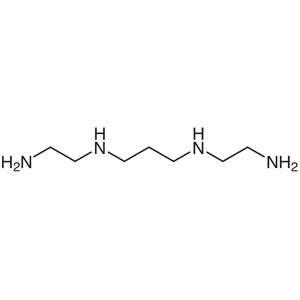
N,N'-Bis(2-aminoethyl)-1,3-propanediamine is a versatile chemical compound widely used in organic synthesis as a building block. Its unique molecular structure contains multiple amine groups, enabling it to participate in various chemical reactions such as substitution and cross-linking. In the laboratory, this compound plays a crucial role in the development of complex organic molecules, especially in the synthesis of heterocyclic compounds and polymers. Due to its reactivity and adaptability, it is a valuable resource for chemists seeking to create new materials or functional compounds.
The compound's chemical properties make it a preferred choice in laboratory settings. Its multiple amine groups provide high reactivity, allowing it to form stable bonds under controlled conditions. However, it is also sensitive to temperature and catalysts, which requires careful handling during synthesis. This reactivity, combined with its structural flexibility, makes it ideal for applications where precise chemical control is essential. Its stability in specific environments further enhances its reliability in synthetic processes.
In Indonesian laboratories, this compound is commonly used in both fundamental and applied chemical research. It supports the development of new compounds and materials, contributing to scientific advancements in various fields. Its broad applicability and chemical versatility make it a key component in research laboratories across Indonesia, where it is used to achieve accurate and consistent results in synthetic processes.
TCI brochures (PDF)
- Polyamines 2025-10-21 · p. 2
- Biomaterials Research Reagents 2025-02-19 · p. 17
- Monomers 2025-05-28 · p. 29
Related TCI products
- Organic synthesis of heterocyclic compounds due to its multiple amine groups and reactivity.
- Polymer development as a cross-linking agent for creating stable molecular networks.
- Functional group modification in complex molecule synthesis through substitution reactions.
- Research in material science for the creation of new chemical materials with specific properties.
- Analytical chemistry applications for the preparation of reagents and standard solutions.
| Brand | TCI |
|---|---|
| CAS number | 4741-99-5 |
| Molecular formula | — |
| Purity | — |
| Category | Chemistry > Building Blocks > Non-Heterocyclic Building Blocks |
| Pack sizes | Available in various quantities as per supplier specifications |
| Physical form | Liquid or solid, depending on the specific product variant |
| Storage | Store in a cool, dry place away from direct sunlight and incompatible materials |
This compound should be stored in a cool, dry environment to maintain its chemical stability. It is recommended to use airtight containers to prevent exposure to moisture and air, which can affect its reactivity. Due to its sensitivity to temperature and catalysts, it should be kept away from heat sources and incompatible chemicals. Laboratory personnel should wear appropriate personal protective equipment when handling it to ensure safety. Regular monitoring of storage conditions is essential to maintain the compound's integrity and effectiveness in chemical processes. Proper labeling and segregation of storage areas are also important to prevent accidental exposure or misuse.
—
Product Categories
Produk Terkait
-
N,N'-Bis(3-aminopropyl)ethylenediamine TCI B1952
Regular price From Rp 610.050,00Regular priceRp 426.300,00Sale price From Rp 610.050,00 -
1,4-Diaminobutane TCI D0239
Regular price From Rp 505.050,00Regular priceRp 352.800,00Sale price From Rp 505.050,00 -
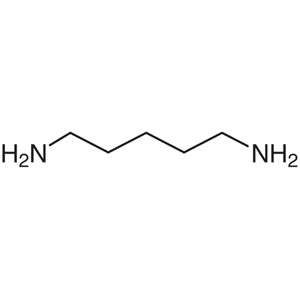
1,5-Diaminopentane TCI D0108
Regular price From Rp 2.227.050,00Regular priceRp 1.557.150,00Sale price From Rp 2.227.050,00 -
1,5-DiaminopentaneDihydrochloride TCI D0099
Regular price From Rp 1.458.450,00Regular priceRp 1.019.550,00Sale price From Rp 1.458.450,00 -
3,3'-Diaminodipropylamine TCI D0090
Regular price From Rp 664.650,00Regular priceRp 464.100,00Sale price From Rp 664.650,00 -
1,4-DiaminobutaneDihydrochloride TCI D0081
Regular price From Rp 1.538.250,00Regular priceRp 1.075.200,00Sale price From Rp 1.538.250,00 -
2-Methyl-1,3-propanediamine TCI M1657
Regular price From Rp 3.392.550,00Regular priceRp 2.371.950,00Sale price From Rp 3.392.550,00 -
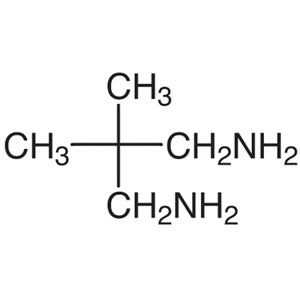
2,2-Dimethyl-1,3-propanediamine TCI D1570
Regular price From Rp 1.644.300,00Regular priceRp 1.149.750,00Sale price From Rp 1.644.300,00