2-Methyl-1,3-propanediamine is a chemical compound widely used in various chemical reactions, particularly in the synthesis of polymers and complex organic compounds. As a key reagent in materials science, it plays a crucial role in polymerization processes and the development of advanced materials. Its active amine groups enable it to function as a monomer or cross-linking agent in the production of polymers such as polyamides and polyurethanes. This compound is essential for researchers aiming to create new materials with specific properties or to modify existing organic compounds.
The compound's high reactivity stems from the presence of two amine groups within its molecular structure. These groups allow it to react with a variety of functional groups, including carboxylic acids and aldehydes, making it versatile for different synthetic applications. Its ability to form stable bonds with other molecules enhances its utility in both industrial and academic settings. This reactivity also makes it an ideal choice for applications requiring high chemical activity and functional group compatibility.
In Indonesian laboratories, 2-Methyl-1,3-propanediamine is commonly used in material science and chemical research. It is frequently employed in polymer synthesis experiments and organic compound modification studies. Many research institutions and universities rely on this compound for its reliability and effectiveness in achieving desired chemical outcomes. Its availability and performance make it a preferred choice for both academic and industrial applications in Indonesia.
- Polymer synthesis is a key application where this compound acts as a monomer or cross-linking agent, enabling the formation of complex polymer structures with desired mechanical and chemical properties.
- Organic compound modification benefits from its reactive amine groups, allowing for the creation of new functional derivatives with enhanced properties.
- Cross-linking in polyurethane production is facilitated by its ability to form stable bonds, improving the strength and durability of the final product.
- Industrial chemical manufacturing relies on its versatility in reacting with various functional groups, making it suitable for a wide range of chemical processes.
- Material development research utilizes its reactivity to explore new synthetic pathways and create advanced materials with tailored characteristics.
| Brand | TCI |
|---|---|
| CAS number | 2400-78-4 |
| Molecular formula | — |
| Purity | — |
| Category | Materials Science > Polymer/Macromolecule Reagents > Monomers |
| Pack sizes | Available in various sizes as per supplier specifications |
| Physical form | Liquid |
| Storage | Store in a cool, dry place away from direct sunlight and incompatible materials |
This compound should be stored in a cool, dry environment, away from direct sunlight and sources of heat. It is recommended to use suitable containers that are resistant to chemical reactions, such as glass or high-density polyethylene. Due to its reactivity, it should be kept away from strong oxidizing agents and incompatible substances. Proper labeling and secure storage are essential to prevent accidental exposure. Always ensure good ventilation in the laboratory when handling this material. Regular monitoring of storage conditions is advised to maintain its stability and effectiveness for laboratory use.
—
Produk Terkait
-
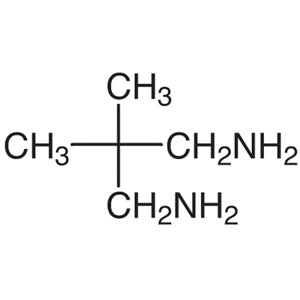
2,2-Dimethyl-1,3-propanediamine TCI D1570
Regular price From Rp 1.644.300,00Regular price -
N,N'-Bis(2-aminoethyl)-1,3-propanediamine TCI B1445
Regular price Rp 1.378.650,00Regular price -
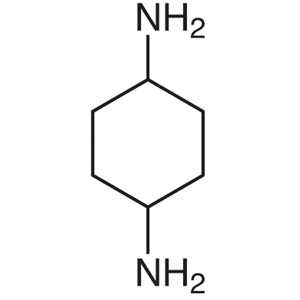
1,4-Cyclohexanediamine(cis-andtrans-mixture) TCI C0814
Regular price From Rp 1.565.550,00Regular price -
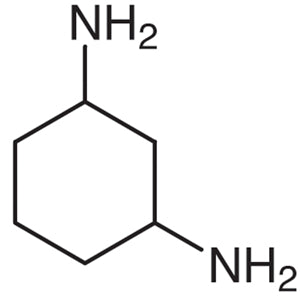
1,3-Cyclohexanediamine(cis-andtrans-mixture) TCI C0813
Regular price From Rp 2.625.000,00Regular price -
Bis(aminomethyl)norbornane(mixtureofisomers) TCI B3852
Regular price From Rp 980.700,00Regular price -
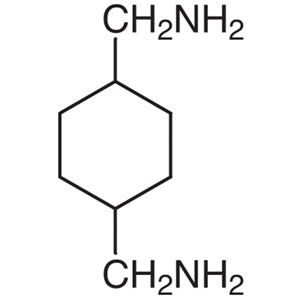
1,4-Bis(aminomethyl)cyclohexane(cis-andtrans-mixture) TCI B1083
Regular price From Rp 1.881.600,00Regular price -
1,3-Bis(aminomethyl)cyclohexane(cis-andtrans-mixture) TCI B1005
Regular price From Rp 505.050,00Regular price -
3,3'-Diamino-N-methyldipropylamine TCI B0821
Regular price From Rp 477.750,00Regular price