Methyl 3,5-Dibenzyloxybenzoate is a chemical compound widely used in laboratory settings for its versatility in chemical and materials science applications. This reagent plays a crucial role in the synthesis of complex molecules, particularly in the development of dendrimer structures. Its chemical stability and controlled reactivity make it a reliable choice for precise chemical reactions. In the laboratory, it serves as a building block for creating advanced materials with specific structural properties.
The compound's molecular structure is both complex and stable, allowing it to participate in a variety of chemical processes under controlled conditions. It exhibits good solubility in organic solvents, which simplifies mixing and reaction processes. These properties make it ideal for use in experiments requiring high precision and reproducibility. Its consistent chemical behavior ensures reliable results in research and development activities.
In Indonesian laboratories, Methyl 3,5-Dibenzyloxybenzoate is commonly used in material science and chemical research. It supports the development of new compounds, testing of physical and chemical properties, and the creation of complex polymers. Its application is essential in academic and industrial research settings where precision and consistency are critical. This compound is a valuable tool for scientists working on advanced material synthesis and chemical innovation.
Related TCI products
- Dendrimer Synthesis: Methyl 3,5-Dibenzyloxybenzoate is ideal for dendrimer construction due to its stable molecular structure and controlled reactivity, enabling precise layer-by-layer growth.
- Organic Chemistry Reactions: Its solubility in organic solvents and chemical stability make it suitable for a wide range of organic synthesis processes requiring high precision.
- Polymer Development: The compound is used in the creation of complex polymers, offering a reliable building block for advanced material formulations.
- Material Characterization Studies: It supports research into the physical and chemical properties of new materials, aiding in the evaluation of structural and functional characteristics.
- Research and Development Projects: Its consistent performance and versatility make it a preferred choice for experimental work in both academic and industrial research environments.
| Brand | TCI |
|---|---|
| CAS number | 58605-10-0 |
| Molecular formula | — |
| Purity | — |
| Category | Materials Science > Polymer/Macromolecule Reagents > Dendrimer Building Blocks |
| Pack sizes | Available in various quantities as per supplier specifications |
| Physical form | Solid or crystalline, depending on the batch |
| Storage | Store in a cool, dry place away from direct sunlight and moisture |
Methyl 3,5-Dibenzyloxybenzoate should be stored in a cool, dry environment to maintain its chemical stability. It is recommended to keep the compound in airtight containers to prevent exposure to moisture and air, which could affect its integrity. Suitable storage conditions include a controlled room temperature, typically between 15°C and 25°C. The container should be made of a material that is chemically inert to avoid any reaction with the compound. General laboratory precautions include handling the substance with care, using appropriate personal protective equipment, and ensuring proper ventilation when working with it. This ensures the safety of laboratory personnel and maintains the quality of the compound for consistent experimental results.
—
Product Categories
Produk Terkait
-
3,5-DibenzyloxybenzylBromide TCI B2093
Regular price From Rp 7.154.700,00Regular priceRp 5.003.250,00Sale price From Rp 7.154.700,00 -
3,5-Dibenzyloxybenzaldehyde TCI D3184
Regular price From Rp 769.650,00Regular priceRp 537.600,00Sale price From Rp 769.650,00 -
3,5-DibenzyloxybenzylAlcohol TCI D2651
Regular price From Rp 1.881.600,00Regular priceRp 1.331.400,00Sale price From Rp 1.881.600,00 -
3,5-DibenzyloxybenzoicAcid TCI D2267
Regular price From Rp 875.700,00Regular priceRp 627.900,00Sale price From Rp 875.700,00 -
2-BenzyloxybenzoicAcid TCI B4766
Regular price From Rp 1.378.650,00Regular priceRp 979.650,00Sale price From Rp 1.378.650,00 -
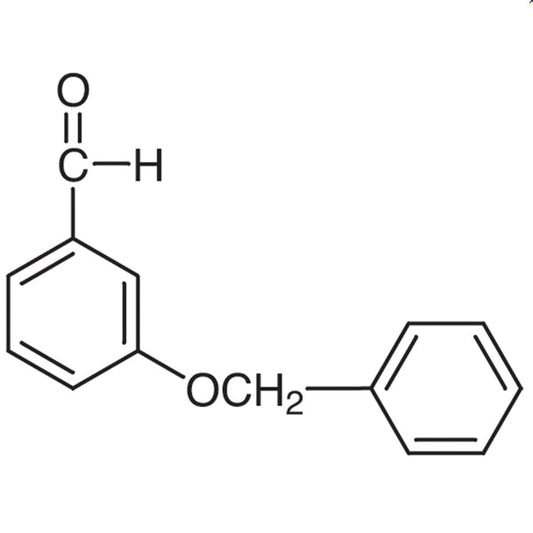
3-Benzyloxybenzaldehyde TCI B2400
Regular price Rp 1.856.400,00Regular priceRp 1.297.800,00Sale price Rp 1.856.400,00 -
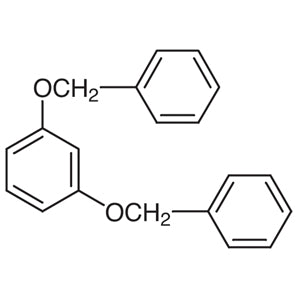
1,3-Dibenzyloxybenzene TCI B2129
Regular price Rp 2.837.100,00Regular priceRp 1.983.450,00Sale price Rp 2.837.100,00 -
4-BenzyloxybenzoicAcid TCI B1665
Regular price From Rp 1.538.250,00Regular priceRp 1.090.950,00Sale price From Rp 1.538.250,00