4-Biphenylsulfonyl Chloride is a chemical compound widely used in organic reactions, particularly in the synthesis of heterocyclic compounds and complex molecular structures. It serves as a key reagent in laboratory settings, facilitating substitution and coupling reactions. Its role is crucial in the formation of sulfon bonds and functional group replacements, making it an essential component in synthetic chemistry. This compound is commonly found in chemical laboratories as a building block for various research projects.
The compound is chemically stable under controlled conditions, though it is highly sensitive to moisture and air exposure. These characteristics make it suitable for use in controlled laboratory environments where precision and consistency are required. Its predictable reactivity and clear chemical structure make it a preferred choice for researchers working on complex synthetic pathways. The compound's reliability and performance in various chemical processes contribute to its widespread use in both academic and industrial research.
In Indonesian laboratories, 4-Biphenylsulfonyl Chloride is extensively used in organic chemistry research, particularly in research institutions and universities. It is frequently employed in projects related to the synthesis of pharmaceutical compounds and industrial chemicals. Its versatility and effectiveness in a variety of synthetic applications make it a valuable resource for scientists and researchers in the field.
Related TCI products
- TCI P1353 34097-60-4 Methyl Phenylsulfonylacetate
- TCI C2266 22663-37-2 (4-Chlorophenylsulfonyl)urea
- TCI I0802 98995-40-5 4-Isopropoxybenzenesulfonyl Chloride
- TCI I0811 63059-29-0 2-Iodobenzenesulfonyl Chloride
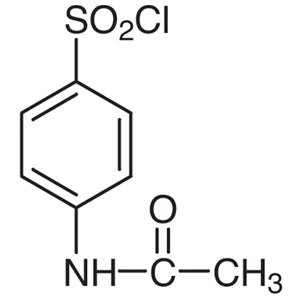
- TCI A0074 121-60-8 4-Acetamidobenzenesulfonyl Chloride
- TCI T2035 51527-73-2 2,4,6-Trichlorobenzenesulfonyl Chloride
- Synthesis of Heterocyclic Compounds: This compound is ideal for creating complex ring structures due to its reactivity and ability to form sulfon bonds.
- Organic Coupling Reactions: It is frequently used in coupling reactions to link different molecular fragments efficiently.
- Functional Group Replacement: Its role in replacing functional groups makes it a key reagent in modifying molecular structures.
- Pharmaceutical Compound Development: It is widely used in the synthesis of drug molecules due to its versatility in chemical reactions.
- Industrial Chemical Synthesis: It supports the production of various industrial chemicals through its stable and predictable chemical behavior.
| Brand | TCI |
|---|---|
| CAS number | 1623-93-4 |
| Molecular formula | — |
| Purity | — |
| Category | Chemistry > Building Blocks > Non-Heterocyclic Building Blocks |
| Pack sizes | Available in various quantities as per standard laboratory requirements |
| Physical form | Solid |
| Storage | Should be stored in a dry, cool, and well-ventilated area away from moisture and air exposure |
This compound should be stored in a dry, cool, and well-ventilated area to prevent moisture and air exposure. It is recommended to use airtight containers to maintain its stability and prevent degradation. Due to its sensitivity, it should be handled with care, using appropriate personal protective equipment such as gloves and safety goggles. Avoid contact with moisture and ensure proper ventilation when working with it. Storage conditions should be controlled to maintain its chemical integrity and ensure safe usage in laboratory settings.
—
Produk Terkait
-
MethylPhenylsulfonylacetate TCI P1353
Regular price From Rp 1.351.350,00Regular priceRp 960.750,00Sale price From Rp 1.351.350,00 -
(4-Chlorophenylsulfonyl)urea TCI C2266
Regular price Rp 1.881.600,00Regular priceRp 1.331.400,00Sale price Rp 1.881.600,00 -
4-IsopropoxybenzenesulfonylChloride TCI I0802
Regular price From Rp 2.597.700,00Regular priceRp 1.816.500,00Sale price From Rp 2.597.700,00 -
2-IodobenzenesulfonylChloride TCI I0811
Regular price From Rp 4.506.600,00Regular priceRp 3.151.050,00Sale price From Rp 4.506.600,00 -
4-AcetamidobenzenesulfonylChloride TCI A0074
Regular price Rp 2.279.550,00Regular priceRp 1.609.650,00Sale price Rp 2.279.550,00 -
2,4,6-TrichlorobenzenesulfonylChloride TCI T2035
Regular price From Rp 2.016.000,00Regular priceRp 1.409.100,00Sale price From Rp 2.016.000,00 -
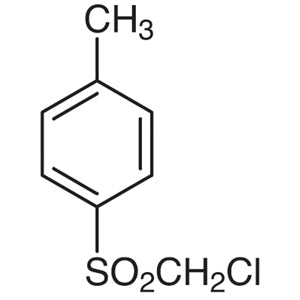
p-ToluenesulfonylmethylChloride TCI T1505
Regular price Rp 2.411.850,00Regular priceRp 1.686.300,00Sale price Rp 2.411.850,00 -
5-Bromo-2-methoxybenzenesulfonylChloride TCI B3965
Regular price From Rp 1.193.850,00Regular priceRp 834.750,00Sale price From Rp 1.193.850,00