4-Bromobenzenediazonium Tetrafluoroborate is a chemical compound widely used as a building block in the synthesis of aromatic and heterocyclic compounds. It plays a crucial role in aromatic substitution reactions, particularly in diazotization and electrophilic substitution processes. This compound is essential for constructing complex molecular structures required in various research fields such as pharmacology, materials science, and organic chemistry. Its ability to participate in specific chemical reactions, such as those involving anions or other organic compounds, makes it a versatile reagent in laboratory settings.
The compound is known for its chemical stability under controlled conditions, which ensures consistent performance in laboratory experiments. Its reactivity in uncontrolled environments necessitates careful handling and storage. The availability in solid form and ease of use make it a practical choice for laboratories requiring precise chemical reagents. Its reliability and effectiveness in chemical reactions contribute to its popularity among researchers.
In Indonesian laboratories, this compound is frequently used in organic chemistry research at universities and research institutions. Its relevance stems from the demand for high-quality, cost-effective building blocks for chemical synthesis. The compound's role in supporting scientific innovation aligns with the goals of local research communities, making it an important resource for academic and industrial applications.
TCI brochures (PDF)
- Boron Compounds 2025-10-07 · p. 25
Related TCI products
- TCI M2636 459-64-3 4-Methoxybenzenediazonium Tetrafluoroborate
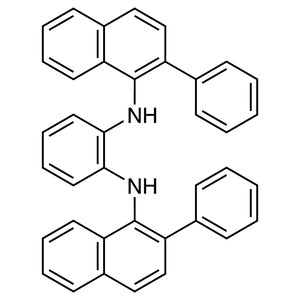
- TCI B6801 3035177-77-3 N,N'-Bis(2-phenyl-1-naphthyl)-1,2-benzenediamine
- TCI B2702 2905-25-1 2-Bromobenzenesulfonyl Chloride
- TCI B2389 2905-24-0 3-Bromobenzenesulfonyl Chloride
- TCI B2307 53087-13-1 1-Benzyloxy-3-bromobenzene
- TCI B2127 6793-92-6 1-Benzyloxy-4-bromobenzene
- Organic synthesis applications benefit from this compound due to its role in aromatic substitution reactions and diazotization processes.
- Pharmaceutical research utilizes it for the development of new drugs, as it contributes to the synthesis of complex aromatic and heterocyclic structures.
- Material science studies employ it to create novel compounds with specific functional properties, enhancing the performance of advanced materials.
- Analytical chemistry laboratories use it as a reagent in specific chemical reactions that require precise control and reactivity.
- Educational institutions incorporate it into teaching and research programs to provide hands-on experience with key chemical building blocks.
| Brand | TCI |
|---|---|
| CAS number | 673-40-5 |
| Molecular formula | — |
| Purity | — |
| Category | Chemistry > Building Blocks > Non-Heterocyclic Building Blocks |
| Pack sizes | Available in various quantities as per standard laboratory supply |
| Physical form | Solid |
| Storage | Store in a cool, dry place away from moisture and direct sunlight |
This compound should be stored in a cool, dry environment to maintain its chemical stability and prevent degradation. It is recommended to use airtight containers to protect it from moisture and air exposure. Due to its reactivity, it should be handled with care, ideally in a fume hood to minimize exposure. Proper personal protective equipment, such as gloves and safety goggles, should be worn during handling. Avoid contact with incompatible substances to ensure safe usage. Regular monitoring of storage conditions is essential to maintain the compound's integrity and effectiveness in laboratory applications.
—
Produk Terkait
-
4-MethoxybenzenediazoniumTetrafluoroborate TCI M2636
Regular price From Rp 3.630.900,00Regular priceRp 2.538.900,00Sale price From Rp 3.630.900,00 -
N,N'-Bis(2-phenyl-1-naphthyl)-1,2-benzenediamine TCI B6801
Regular price From Rp 2.702.700,00Regular priceRp 1.905.750,00Sale price From Rp 2.702.700,00 -
2-BromobenzenesulfonylChloride TCI B2702
Regular price From Rp 1.565.550,00Regular priceRp 1.094.100,00Sale price From Rp 1.565.550,00 -
3-BromobenzenesulfonylChloride TCI B2389
Regular price From Rp 955.500,00Regular priceRp 667.800,00Sale price From Rp 955.500,00 -
1-Benzyloxy-3-bromobenzene TCI B2307
Regular price From Rp 823.200,00Regular priceRp 575.400,00Sale price From Rp 823.200,00 -
1-Benzyloxy-4-bromobenzene TCI B2127
Regular price From Rp 848.400,00Regular priceRp 593.250,00Sale price From Rp 848.400,00 -
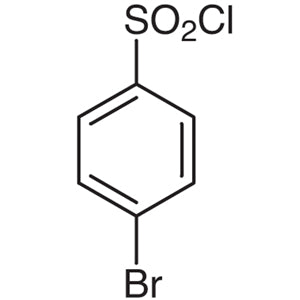
4-BromobenzenesulfonylChloride TCI B0550
Regular price From Rp 1.856.400,00Regular priceRp 1.297.800,00Sale price From Rp 1.856.400,00 -
3,6-Dibromobenzene-1,2-diamine TCI D4974
Regular price From Rp 2.094.750,00Regular priceRp 1.464.750,00Sale price From Rp 2.094.750,00