2-(4-Bromobutoxy)tetrahydro-2H-pyran is a chemical compound widely used in organic laboratory reactions as a building block for the synthesis of complex molecules. It belongs to the category of non-heterocyclic building blocks, making it a versatile reagent in chemical synthesis. This compound is commonly used in research settings where the formation of complex organic structures is required. Its role is primarily to participate in various chemical transformations, such as substitution or elimination reactions, under controlled experimental conditions.
The compound is valued for its stable molecular structure and good solubility in organic solvents, which facilitates its use in a wide range of chemical processes. Its chemical inertness under normal conditions ensures that it does not react spontaneously, making it a reliable reagent in laboratory environments. These properties contribute to its popularity among chemists who require a stable and predictable reagent for their experiments.
In Indonesian laboratories, 2-(4-Bromobutoxy)tetrahydro-2H-pyran is frequently used in organic chemistry research, particularly in the development of new compounds and the study of molecular structures. Its stability and solubility make it an ideal choice for experiments that require precise control over chemical reactions. It is commonly found in research facilities where the synthesis of complex organic molecules is a key focus.
Related TCI products
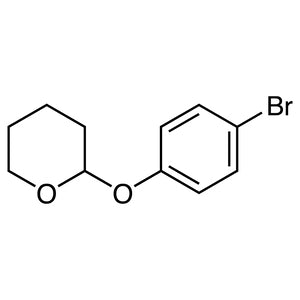
- TCI B6500 36603-49-3 2-(4-Bromophenoxy)tetrahydro-2H-pyran
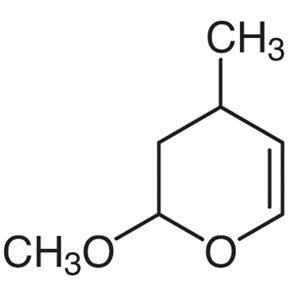
- TCI D2053 53608-95-0 3,4-Dihydro-2-methoxy-4-methyl-2H-pyran (cis- and trans- mixture)
- TCI T3373 29683-23-6 Tetrahydro-2H-thiopyran-4-ol
- TCI T2816 529-35-1 5,6,7,8-Tetrahydro-1-naphthol
- TCI T1111 529-33-9 1,2,3,4-Tetrahydro-1-naphthol
- TCI T0108 1125-78-6 5,6,7,8-Tetrahydro-2-naphthol
- Organic synthesis experiments benefit from this compound due to its role in forming complex molecular structures through controlled chemical reactions.
- It is ideal for substitution reactions where the bromo group can be replaced with other functional groups under specific conditions.
- Elimination reactions can be facilitated by this compound, allowing for the formation of alkenes or other derivatives in a predictable manner.
- It is commonly used in the preparation of heterocyclic compounds, as it provides a stable starting material for further modifications.
- Its solubility in organic solvents makes it suitable for use in solution-based reactions, enhancing the efficiency of chemical synthesis processes.
| Brand | TCI |
|---|---|
| CAS number | 31608-22-7 |
| Molecular formula | — |
| Purity | — |
| Category | Chemistry > Building Blocks > Non-Heterocyclic Building Blocks |
| Pack sizes | Available in various sizes as per standard laboratory supply |
| Physical form | Liquid |
| Storage | Store in a cool, dry place away from direct sunlight |
This compound should be stored in a cool, dry place away from direct sunlight to maintain its stability. It is recommended to use airtight containers to prevent exposure to moisture and air, which could affect its chemical properties. As a liquid, it should be kept in properly sealed glass or plastic containers that are resistant to chemical reactions. In laboratory settings, it is important to handle this compound with care, using appropriate personal protective equipment such as gloves and safety goggles. Due to its chemical stability, it does not require special storage conditions beyond those standard for most organic reagents. Always ensure that the storage area is well-ventilated and free from potential sources of ignition.
—
Produk Terkait
-
2-(4-Bromophenoxy)tetrahydro-2H-pyran TCI B6500
Regular price From Rp 1.272.600,00Regular priceRp 905.100,00Sale price From Rp 1.272.600,00 -
3,4-Dihydro-2-methoxy-4-methyl-2H-pyran(cis-andtrans-mixture) TCI D2053
Regular price Rp 2.332.050,00Regular priceRp 1.646.400,00Sale price Rp 2.332.050,00 -
Tetrahydro-2H-thiopyran-4-ol TCI T3373
Regular price From Rp 4.028.850,00Regular priceRp 2.832.900,00Sale price From Rp 4.028.850,00 -
5,6,7,8-Tetrahydro-1-naphthol TCI T2816
Regular price From Rp 1.405.950,00Regular priceRp 998.550,00Sale price From Rp 1.405.950,00 -
1,2,3,4-Tetrahydro-1-naphthol TCI T1111
Regular price From Rp 1.167.600,00Regular priceRp 815.850,00Sale price From Rp 1.167.600,00 -
5,6,7,8-Tetrahydro-2-naphthol TCI T0108
Regular price Rp 2.439.150,00Regular priceRp 1.720.950,00Sale price Rp 2.439.150,00 -
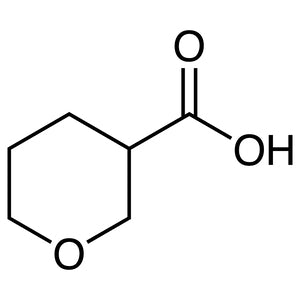
Tetrahydro-2H-pyran-3-carboxylicAcid TCI T4166
Regular price From Rp 1.458.450,00Regular priceRp 1.035.300,00Sale price From Rp 1.458.450,00 -
Tetrahydro-2H-pyran-2-carboxylicAcid TCI T4112
Regular price From Rp 1.618.050,00Regular priceRp 1.146.600,00Sale price From Rp 1.618.050,00