O-tert-Butyl-L-threonine tert-Butyl Ester is a chemical compound widely used in peptide synthesis and the preparation of complex organic molecules. As an ester derivative of L-threonine, it plays a crucial role in chemical biology and peptide chemistry by enabling controlled functional group manipulation. This compound is commonly found in biochemical and chemical laboratories, particularly in research focused on amino acid modification and structural chemistry. Its unique chemical structure allows it to participate in various synthetic pathways, making it a valuable tool for researchers aiming to create more reactive or stable compounds under specific reaction conditions.
The compound's preference in laboratory settings stems from its chemical properties, including its solubility in organic solvents and its ability to undergo reactions with acids, bases, or catalysts. The tert-butyl group provides structural protection to the carboxylate function, enhancing its stability compared to the pure amino acid form. This makes it ideal for applications requiring high precision and controlled reactivity. Additionally, its complex molecular structure supports a wide range of synthetic transformations, making it a versatile reagent in organic and biochemical synthesis.
In Indonesian laboratories, O-tert-Butyl-L-threonine tert-Butyl Ester is frequently utilized in biochemical, pharmacological, and organic synthesis research. Its availability and chemical versatility make it a go-to compound for scientists working on advanced molecular modifications. The compound's role in creating more stable or reactive intermediates is especially important in studies involving drug development and molecular structure optimization.
TCI brochures (PDF)
- Amino Acids and Peptide Synthesis Reagents 2025-08-14 · p. 28
Related TCI products
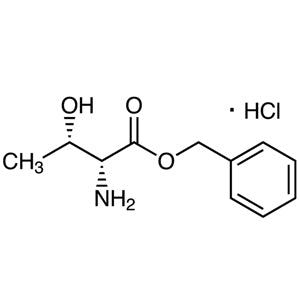
- TCI T2788 75748-36-6 D-Threonine Benzyl Ester Hydrochloride
- TCI T2677 33645-24-8 L-Threonine Benzyl Ester Hydrochloride
- TCI T2435 69320-90-7 L-Threonine tert-Butyl Ester Hydrochloride
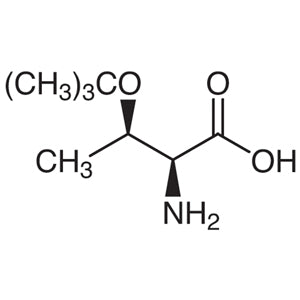
- TCI B3398 4378-13-6 O-tert-Butyl-L-threonine
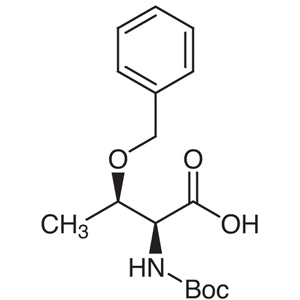
- TCI B1630 15260-10-3 N-(tert-Butoxycarbonyl)-O-benzyl-L-threonine
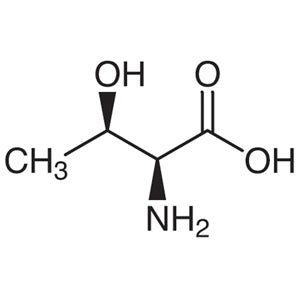
- TCI T0230 72-19-5 L-(-)-Threonine
- Peptide Synthesis: This compound is ideal for peptide synthesis due to its ability to undergo chemical activation, allowing for precise control over amino acid incorporation.
- Organic Chemistry Research: Its solubility in organic solvents and reactivity with various reagents make it suitable for complex organic molecule synthesis.
- Biochemical Modification Studies: The protected carboxylate group enables researchers to study amino acid modifications without premature degradation.
- Drug Development: It is used in the synthesis of bioactive compounds, supporting the creation of potential pharmaceutical agents.
- Structural Chemistry Investigations: Its complex molecular structure allows for detailed studies on functional group behavior and reactivity patterns.
| Brand | TCI |
|---|---|
| CAS number | 5854-78-4 |
| Molecular formula | — |
| Purity | — |
| Category | Chemistry > Chemical Biology > Peptide Chemistry |
| Pack sizes | Available in various quantities as per supplier specifications |
| Physical form | Solid or powder, depending on formulation |
| Storage | Store in a cool, dry place away from moisture and direct sunlight |
O-tert-Butyl-L-threonine tert-Butyl Ester should be stored in a cool, dry environment to maintain its chemical integrity. It is recommended to keep the compound in a sealed container to prevent exposure to moisture and air. Due to its organic nature, it is best stored in airtight glass or plastic containers that are resistant to chemical degradation. Avoid direct sunlight and high humidity conditions to prevent any potential decomposition. In laboratory settings, proper ventilation should be ensured when handling the compound to minimize any risk of inhalation. Always follow standard chemical safety protocols when working with this reagent to ensure safe and effective use.
—
Product Categories
Produk Terkait
-
D-ThreonineBenzylEsterHydrochloride TCI T2788
Regular price From Rp 875.700,00Regular priceRp 627.900,00Sale price From Rp 875.700,00 -
L-ThreonineBenzylEsterHydrochloride TCI T2677
Regular price From Rp 1.060.500,00Regular priceRp 757.050,00Sale price From Rp 1.060.500,00 -
L-Threoninetert-ButylEsterHydrochloride TCI T2435
Regular price From Rp 1.961.400,00Regular priceRp 1.387.050,00Sale price From Rp 1.961.400,00 -
O-tert-Butyl-L-threonine TCI B3398
Regular price From Rp 875.700,00Regular priceRp 627.900,00Sale price From Rp 875.700,00 -
N-(tert-Butoxycarbonyl)-O-benzyl-L-threonine TCI B1630
Regular price Rp 955.500,00Regular priceRp 683.550,00Sale price Rp 955.500,00 -
L-(-)-Threonine TCI T0230
Regular price From Rp 637.350,00Regular priceRp 460.950,00Sale price From Rp 637.350,00 -
D-(+)-Threonine TCI T0228
Regular price From Rp 1.961.400,00Regular priceRp 1.387.050,00Sale price From Rp 1.961.400,00 -
N-[(9H-Fluoren-9-ylmethoxy)carbonyl]-O-tert-butyl-D-threonine TCI F1128
Regular price From Rp 900.900,00Regular priceRp 645.750,00Sale price From Rp 900.900,00