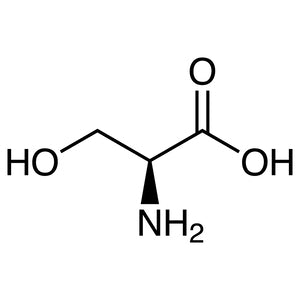
L-(-)-Threonine is an organic compound widely used in various chemical reactions and molecular synthesis processes. As one of the essential amino acids, it plays a crucial role in catalytic processes and organic reactions within the laboratory. Its unique chemical structure makes it a valuable tool for researchers and scientists working in diverse fields of chemistry. This compound is commonly used as a building block for the synthesis of complex molecules, particularly in the areas of organocatalysis and enzymatic catalysis. Its versatility and reliability make it an essential component in many experimental setups.
L-(-)-Threonine is known for its chemical stability under normal conditions and good solubility in organic solvents such as water and ethanol. These properties contribute to its effectiveness in maintaining the integrity of chemical reactions and ensuring consistent results. Its reactivity allows it to interact with various reagents, expanding its applicability across different chemical disciplines. The compound's stability and solubility make it a preferred choice for laboratories requiring precision and reliability in their experiments.
In Indonesian laboratories, L-(-)-Threonine is extensively used in both fundamental and applied chemical research. It supports a wide range of experimental needs, from basic synthesis to advanced catalytic studies. Its availability and consistent performance make it a reliable material for researchers aiming to achieve accurate and reproducible results in their work.
TCI brochures (PDF)
- Asymmetric Organocatalysts 2025-06-12 · p. 8
- Asymmetric Synthesis 2026-03-18 · p. 7
- Amino Acids and Peptide Synthesis Reagents 2025-08-14 · p. 4
- Reagents for Biological Research 2025-03-11 · p. 57
- Organocatalysis: L-(-)-Threonine is ideal for organocatalytic reactions due to its ability to act as a chiral catalyst, enhancing enantioselectivity in asymmetric synthesis.
- Enzymatic Catalysis: It is frequently used in enzymatic processes where its structural similarity to natural substrates enables efficient catalytic activity.
- Molecular Synthesis: The compound serves as a key building block in the synthesis of complex organic molecules, supporting a wide range of chemical transformations.
- Analytical Chemistry: Its stable properties make it suitable for use in analytical procedures requiring consistent and reliable chemical behavior.
- Biochemical Research: L-(-)-Threonine is used in biochemical studies to investigate its role in metabolic pathways and protein structures.
| Brand | TCI |
|---|---|
| CAS number | 72-19-5 |
| Molecular formula | — |
| Purity | — |
| Category | Chemistry > Catalysis and Inorganic Chemistry > Organocatalysts [Catalysis] |
| Pack sizes | Available in various quantities as per standard laboratory supply |
| Physical form | White crystalline powder |
| Storage | Store in a cool, dry place away from moisture and direct sunlight |
L-(-)-Threonine should be stored in a cool, dry environment to maintain its chemical stability and prevent degradation. It is recommended to keep the compound in a tightly sealed container to avoid exposure to moisture and air. Suitable storage containers include glass or plastic vessels with airtight lids to ensure long-term preservation. In laboratory settings, it is important to handle the material with care, using appropriate personal protective equipment such as gloves and safety goggles. Proper labeling of storage containers is essential for safe handling and easy identification. Regular inspection of storage conditions ensures the compound remains in optimal condition for use in experiments.
—
Product Categories
Produk Terkait
-
D-(+)-Threonine TCI T0228
Regular price From Rp 1.961.400,00Regular priceRp 1.387.050,00Sale price From Rp 1.961.400,00 -
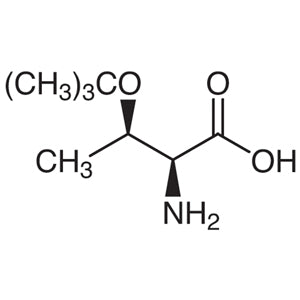
O-tert-Butyl-L-threonine TCI B3398
Regular price From Rp 875.700,00Regular priceRp 627.900,00Sale price From Rp 875.700,00 -
D-Methionine TCI M0102
Regular price From Rp 900.900,00Regular priceRp 645.750,00Sale price From Rp 900.900,00 -
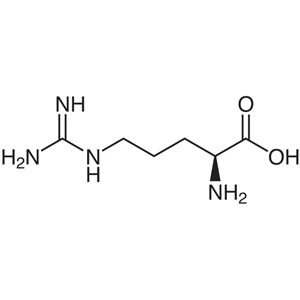
L-(+)-Arginine TCI A0526
Regular price From Rp 557.550,00Regular priceRp 405.300,00Sale price From Rp 557.550,00 -
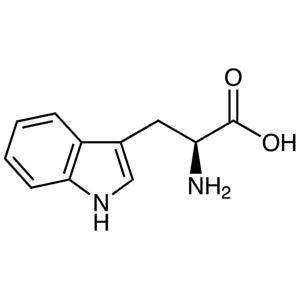
L-Tryptophan TCI T0541
Regular price Rp 1.008.000,00Regular priceRp 720.300,00Sale price Rp 1.008.000,00 -
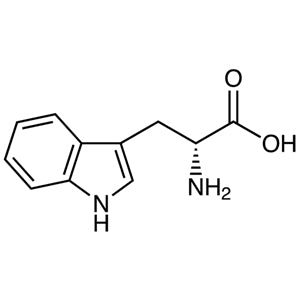
D-Tryptophan TCI T0539
Regular price From Rp 742.350,00Regular priceRp 534.450,00Sale price From Rp 742.350,00 -
L-Serine TCI S0035
Regular price From Rp 530.250,00Regular priceRp 386.400,00Sale price From Rp 530.250,00 -
D-Proline TCI P0994
Regular price From Rp 1.431.150,00Regular priceRp 1.016.400,00Sale price From Rp 1.431.150,00