Benzyl Tiglate is a chemical compound widely used in organic laboratory reactions. As a key building block in chemical synthesis, it plays a vital role in the development of complex molecular structures. Its versatility makes it an essential reagent for researchers aiming to create new compounds or modify existing ones. In laboratory settings, Benzyl Tiglate is frequently employed as a reactant or auxiliary material in the synthesis of aromatic compounds and their derivatives. Its chemical stability allows for controlled reactivity, making it suitable for a wide range of experimental conditions.
The compound’s chemical properties, including its non-polar nature and solubility in organic solvents, make it a preferred choice for reactions requiring high solubility. Its relatively stable structure ensures consistent performance across various experimental setups. Additionally, Benzyl Tiglate has well-defined boiling and melting points, enabling precise control over reaction conditions. These characteristics make it a reliable and predictable reagent in both academic and industrial research environments.
In Indonesian laboratories, Benzyl Tiglate is commonly used in chemical research, including the synthesis of new compounds, development of chemical materials, and pharmaceutical studies. Its ability to participate in controlled reactions with specific functional groups makes it a valuable tool for researchers working on structure-based synthesis and functional group transformations. Its relevance spans across multiple scientific disciplines, supporting innovation and discovery in the chemical sciences.
- Organic synthesis of aromatic compounds due to its reactivity and stability in controlled environments.
- Development of new chemical materials where controlled reactivity and solubility are essential.
- Pharmaceutical research for the synthesis of complex molecules with specific functional groups.
- Structural modification of existing compounds through selective chemical reactions.
- Analytical chemistry applications requiring precise reactivity and predictable behavior in solvents.
| Brand | TCI |
|---|---|
| CAS number | 37526-88-8 |
| Molecular formula | — |
| Purity | — |
| Category | Chemistry > Building Blocks > Non-Heterocyclic Building Blocks |
| Pack sizes | Available in standard laboratory quantities |
| Physical form | Liquid |
| Storage | Store in a cool, dry place away from direct sunlight |
Benzyl Tiglate should be stored in a cool, dry environment to maintain its chemical stability. It is recommended to keep it in a tightly sealed container to prevent exposure to air and moisture. Due to its non-polar nature, it is best stored in glass or high-density polyethylene containers to avoid chemical interactions. Laboratory personnel should handle the compound with appropriate personal protective equipment, including gloves and safety goggles, to ensure safety during use. Proper ventilation is also advised when working with this compound to minimize inhalation risks. Regular monitoring of storage conditions is essential to maintain the integrity and effectiveness of the material in research applications.
—
Produk Terkait
-
IsobutylTiglate(stabilizedwithHQ) TCI T1274
Regular price Rp 2.544.150,00Regular priceRp 1.794.450,00Sale price Rp 2.544.150,00 -
cis-3-Hexen-1-ylTiglate TCI T0934
Regular price Rp 2.041.200,00Regular priceRp 1.442.700,00Sale price Rp 2.041.200,00 -
MethylTiglate TCI T0248
Regular price Rp 2.835.000,00Regular priceRp 1.998.150,00Sale price Rp 2.835.000,00 -
EthylTiglate TCI T0247
Regular price Rp 822.150,00Regular priceRp 590.100,00Sale price Rp 822.150,00 -
BenzylAcetate TCI A0022
Regular price From Rp 505.050,00Regular priceRp 352.800,00Sale price From Rp 505.050,00 -
alpha-(Trichloromethyl)benzylAcetate TCI T3122
Regular price From Rp 795.900,00Regular priceRp 556.500,00Sale price From Rp 795.900,00 -
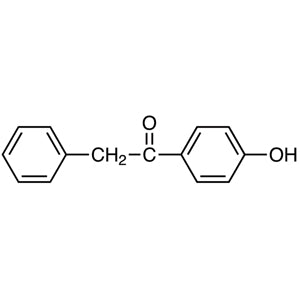
Benzyl4-HydroxyphenylKetone TCI B4722
Regular price From Rp 1.087.800,00Regular priceRp 775.950,00Sale price From Rp 1.087.800,00 -
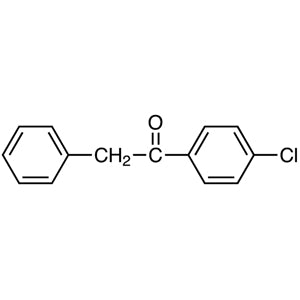
Benzyl4-ChlorophenylKetone TCI B4704
Regular price From Rp 900.900,00Regular priceRp 645.750,00Sale price From Rp 900.900,00