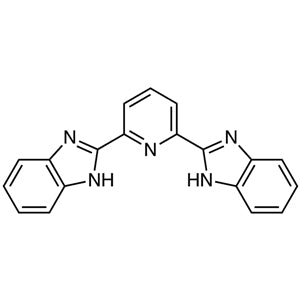
2,6-Bis(2-benzimidazolyl)pyridine is a chemical compound widely used as a building block in the synthesis of complex heterocyclic compounds. This material plays a crucial role in organic chemistry laboratories, where it serves as a key intermediate in the development of new molecules with specific biological activities. Its unique molecular structure, consisting of a pyridine ring connected by two benzimidazole groups, makes it highly versatile for chemical modifications. Due to its structural complexity, it is often employed in research aimed at creating compounds with pharmaceutical or material science applications.
The compound is valued for its chemical stability under controlled conditions and its ability to participate in a variety of synthetic reactions. Its sensitivity to moisture and air necessitates careful handling, but this also ensures that it remains a valuable reagent for precise chemical synthesis. The compound’s reactivity and molecular complexity make it a preferred choice for researchers seeking to design novel compounds with tailored properties. Its availability in solid form further enhances its utility in laboratory settings, allowing for easy incorporation into various synthetic protocols.
In Indonesian laboratories, 2,6-Bis(2-benzimidazolyl)pyridine is commonly used in organic chemistry, pharmacology, and materials science research. Local researchers frequently utilize this compound to develop new substances with potential applications in medicine and advanced technologies. Its role in creating complex molecular structures makes it an essential tool for scientific innovation in the region.
TCI brochures (PDF)
- Ligands 2025-12-01 · p. 12
Related TCI products
- TCI B2821 4414-88-4 (2-Benzimidazolyl)acetonitrile
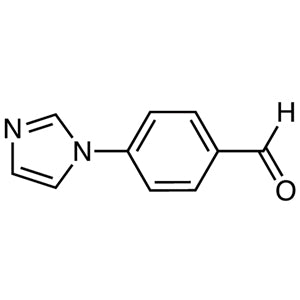
- TCI I0818 10040-98-9 4-(1-Imidazolyl)benzaldehyde
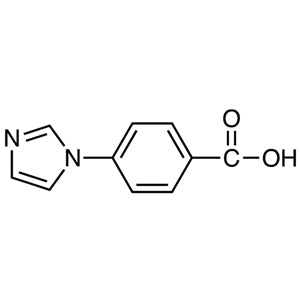
- TCI I1017 17616-04-5 4-(1-Imidazolyl)benzoic Acid
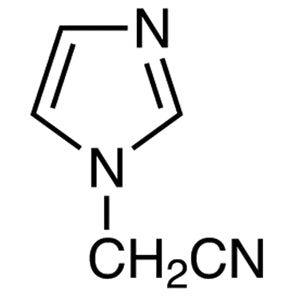
- TCI I0990 98873-55-3 (1-Imidazolyl)acetonitrile
- TCI T4400 942919-26-8 4-(4,4,5,5-Tetramethyl-1,3,2-dioxaborolan-2-yl)-1H-pyrrolo[2,3-b]pyridine
- TCI T4270 14389-12-9 4-(1H-Tetrazol-5-yl)pyridine
- Organic synthesis applications benefit from this compound’s structural versatility and reactivity, enabling the creation of complex heterocyclic molecules.
- Pharmacological research utilizes it to design compounds with targeted biological activities, supporting drug discovery efforts.
- Materials science applications leverage its molecular complexity to develop advanced polymers and functional materials.
- Analytical chemistry uses it as a reference standard for characterizing and identifying complex organic compounds.
- Chemical engineering projects incorporate it into the development of novel synthetic pathways and reaction mechanisms.
| Brand | TCI |
|---|---|
| CAS number | 28020-73-7 |
| Molecular formula | — |
| Purity | — |
| Category | Chemistry > Building Blocks > Heterocyclic Building Blocks |
| Pack sizes | Available in standard laboratory quantities |
| Physical form | Solid |
| Storage | Requires dry, cool, and airtight storage conditions |
This compound should be stored in a dry, cool environment away from moisture and air exposure. It is recommended to use airtight containers made of glass or high-density polyethylene to prevent degradation. Due to its sensitivity, it should be handled in a controlled laboratory setting with proper ventilation. Avoid contact with moisture during storage and transportation. Always ensure that the container is sealed tightly to maintain chemical integrity. Regular monitoring of storage conditions is essential to preserve the compound’s stability and effectiveness in research applications.
—
Produk Terkait
-
(2-Benzimidazolyl)acetonitrile TCI B2821
Regular price From Rp 1.087.800,00Regular priceRp 775.950,00Sale price From Rp 1.087.800,00 -
4-(1-Imidazolyl)benzaldehyde TCI I0818
Regular price From Rp 848.400,00Regular priceRp 609.000,00Sale price From Rp 848.400,00 -
4-(1-Imidazolyl)benzoicAcid TCI I1017
Regular price Rp 3.735.900,00Regular priceRp 2.628.150,00Sale price Rp 3.735.900,00 -
(1-Imidazolyl)acetonitrile TCI I0990
Regular price From Rp 3.260.250,00Regular priceRp 2.295.300,00Sale price From Rp 3.260.250,00 -
4-(4,4,5,5-Tetramethyl-1,3,2-dioxaborolan-2-yl)-1H-pyrrolo[2,3-b]pyridine TCI T4400
Regular price From Rp 3.683.400,00Regular priceRp 2.591.400,00Sale price From Rp 3.683.400,00 -
4-(1H-Tetrazol-5-yl)pyridine TCI T4270
Regular price From Rp 1.483.650,00Regular priceRp 1.053.150,00Sale price From Rp 1.483.650,00